After an unfair electoral cycle, Turkey’s incumbent Recep Tayyip Erdoğan secured another term as the president of Turkey. How can we make sense of Erdoğan’s victory considering deteriorating economic conditions, increasing authoritarianism, and the mismanagement of the humanitarian response after the devastating earthquakes? What does the future hold for Turkey ? Some of my comments appeared in the news section on City, University of London’s website to answer this question. Here are some detailed comments below.
The Opposition Faced Repression and a Smear Campaign
Since the failed coup attempt in 2016, repression against the political opposition has steadily increased in Turkey. Therefore, it is not a surprise to hear opposition leader Kılıçdaroğlu labelling the contest as the “most unfair election in recent years”, arguing that all the means of the state were mobilised for the ruling party. Apart from establishing control over key institutions, Erdoğan and his party systematically used fabricated videos and slanders to frame the opposition as an advocate of terrorism. Many members of the pro-Kurdish opposition party HDP, including the former co-leader Selahattin Demirtaş have been imprisoned since 2016. Another charismatic figure, Istanbul’s mayor Ekrem Imamoğlu from the Republican People’s Party was handed a jail sentence and a political ban months before the elections. By eliminating powerful opponents, the incumbent could shape the political terrain of the contest.
There Were Voting Irregularities and Media Bias
Apart from the repression, the election was marked by voting irregularities and media bias. According to the Reporters Without Borders index, Turkey is among the worst twenty countries in the World for press freedom. While critical journalists face multiple barriers, including attacks and arrests, the government has almost total control over state and mainstream private media. Also, many reports of illegal voting and observer intimidation occurred on election day. There were reports of opposition members being beaten and threatened during election monitoring. Yet, followers criticised the inability of opposition parties to address voting irregularities with an assertive voice.
The Ruling Block Obtained a Parliamentary Majority by Enlarging its Coalition
Forming electoral alliances was more beneficial for the incumbent, as it provided its parliamentary majority. Even though the AKP’s vote decreased from around 42 per cent to 35, the party was able to gain a majority by forming a solid alliance (referred to as the People’s Alliance) with the Nationalist Movement Party and two Islamist parties, New Welfare Party and the Free Cause Party. The opposition coalition could not substantively increase its vote as the newly formed parties that joined the bloc by former senior figures of the AKP, Ali Babacan and Ahmet Davutoğlu performed below expectations. Furthermore, during the election process, parties of the opposition also seemed less united than the ruling block. This was most visible during the right-wing Good Party leader Meral Akşener’s contestation of Kilicdaroglu’s candidacy about two months before the election.
The Incumbent Deepened Polarisation and Used Foreign Policy to Claim Competence
The electoral race was marked by increased polarisation and counter-framing, which expanded beyond Turkey’s borders. The dynamics of international politics have impacted the election results as it became a sphere where the AKP could claim competence and success. In a recent PSA Blog post, I reviewed that during their election campaign, the AKP, apart from their populist framing of the opposition as “foreign threats”, praised repeatedly that they could negotiate with both sides in the Russia-Ukraine war and make concrete progress such as the grain corridor initiative and prisoner exchange. While the AKP presented itself as a competent international actor, the political parties that make up the Nation Alliance and Kılıçdaorğlu focused more on domestic issues like Turkey’s economic collapse, democratic backsliding, and justice. The AKP elites were able to frame themselves as peacemakers and have used it to enhance their legitimacy domestically and internationally.
The Road Ahead
The race was profoundly unfair and unbenignant. Turkey’s pressing issue is addressing the coming economic problems as the lira plummeted to a record low yesterday. Apart from concerns about economic collapse, civil society groups and opposition parties argue that another term will worsen human rights abuses, the rule of law, LGBT+ and women’s rights. In his “victory speech,” Erdogan labelled the opposition as “LGBT lovers” and contrasted his position by underlining the importance of “family values.” It is visible that increasing polarisation will be the incumbent’s primary strategy against the political opposition.
In foreign policy, it can be argued that the AKP will maintain its strategic relationship with the West while preserving solid ties with Russia. However, Western leaders were quick to congratulate Erdogan, visible in the German Chancellor’s message stating that he wants them to advance a “common agenda with a fresh impetus!” The opposition forces were upset with the EU’s response to Erdogan’s re-election and underlined that they need to do more to voice rights violations in Turkey.
It is important to note that AKP’s populism at home is shaped by its global contestatory frames contributing to a boundary between us and them. Especially the construction of the other has been vital in justifying the securitisation of the political opposition since the failed coup attempt in Turkey. With another term with Erdogan, Turkey’s assertive and populist policy at home and internationally will further deepen.
It is official: Turkey’s presidential election will go to a second round. The two candidates, Erdoğan and Kılıçadaroğlu, differ immensely in their domestic politics. What about their foreign policy outlook? Will the opposition candidate promise to break away from Turkey’s assertive foreign policy? How do international dynamics shape this contentious electoral process?
Our co-convenor Begum Zorlu (City, University of London) has written on the role of foreign policy in Turkish elections for the PSA Blog.
When approached with the question: “what’s foreign policy got to do with the Turkish election” one feels the urge to respond: everything. After 20 years in power, and with international spotlight events like the challenging of the Israeli president Shimon Peres at Davos or comparing German officials to Nazis, Erdoğan and his party dominates the conversation on foreign policy.
Contestatory moves like these are more important than they seem. These statements are the backbone of the incumbent’s populist foreign policy, where the party contests what it labels the “unjust” and “broken” international order, embodied in Erdoğan’s famous slogan “the world is bigger than five”.
The expansion of an injustice frame and how it resonates in the world should not be underestimated.
Followers of Erdoğan around the world voice this vision and have repeatedly underlined that he represents the interests of Muslims around the globe or supports “the voices of the repressed”. This contributes to promoting the incumbent’s framing that without Erdoğan, Turkey’s leadership in contesting injustices domestically and globally will be halted.
THE AKP AND THE INTERNATIONAL
Under Erdoğan, Turkey has increasingly followed a confrontational foreign policy. However, this has not always been the case. Throughout its first term, along with its acceptance of EU conditionality as part of its desire for EU accession, the AKP used its foreign policy to advance its domestic power. In particular, the AKP came to present itself as a model democratic and Islamic state in the early 2000s. As Cihan Tuğal’s work uncovered, the US was instrumental in promoting what has been termed the “Turkish model”, which resonated with the democracy promotion agenda of the US.
This context changed in the 2010s with the AKP aiming to have an increased influence in the Middle East in the context of Arab Uprisings and increasing authoritarianism at home. After the Gezi Protests of 2013, the AKP adopted a “fifth column[1] frame” to delegitimise the opposition, accusing them of conspiring with international actors. With the 2016 coup attempt, increasing repression had domestic and international consequences. The AKP’s foreign policy took a more interventionist turn, as it directly interfered in multiple conflicts, and ultra-nationalist voices intensified in foreign policy. Turkey’s military intervention in Syria hampered relations with its Western allies and justified the repression of critical voices at home. This is how we came to 2023, with increased domestic and international polarisation. The blocking of Sweden’s NATO membership for example clearly demonstrates the intersection of the domestic and the global. The AKP accused Sweden of harbouring terrorist organisations, highlighting the distinction between friends and foes on both political dimensions.
However, interventionism is not the sole component of the AKP’s foreign policy, and the party argues it follows a competent foreign policy. In their election campaign, the AKP praised that they could negotiate with both sides in the Russia-Ukraine war, make concrete progress such as the grain corridor and prisoner exchange, and keep the possibility of peace on the table. They frame themselves as peacemakers and have used this mediation role to enhance their legitimacy domestically and internationally.
WHAT ABOUT THE OPPOSITION AND KILIÇDAORĞLU ?
On the other hand, the political parties that make up the Nation Alliance and Kılıçdaorğlu have been weaker in voicing foreign policy and focused more on domestic issues like Turkey’s economic collapse, democratic backsliding, and justice. When one looks at the electoral manifestos, while foreign policy makes up a small portion of the opposition coalition, it is one of the highlights of the incumbent’s document.
The opposition coalition and their presidential candidate promise a change in foreign policy. Contrasting themselves to the government’s policies, the opposition block’s manifesto claims that they would change Turkey’s foreign policy in the Middle East, respect the sovereignty and territorial integrity of the countries in the region and would not interfere in their internal affairs by “taking sides.” The presidential candidate Kılıçdaorğlu, on the other hand, bridges his domestic call for restoring democracy with his foreign policy outlook. The opposition coalition’s manifesto underlines the dangers of personalisation in foreign policy, and Kılıçdaorğlu states that he wants to follow the democratisation processes promoted by the EU.
What about the stance on Russia ?A couple of days before the elections, Kılıçdaorğlu stated in an interview that if he won, he would bring Turkey closer to NATO and the EU and would be willing to impose sanctions on Russia. He has also accused Russia of releasing fake content on social media and criticised the government for maintaining energy dependency on Russia. This has become an area of contestation between the candidates; as a response, Erdoğan stated that Russia is one of Turkey’s most important allies.
Sevgili Rus Dostlarımız, Dün bu ülkede ortaya saçılan montajlar, kumpaslar, Deep Fake içerikler, kasetlerin arkasında siz varsınız. Eğer 15 Mayıs sonrası dostluğumuzun devamını istiyorsanız, elinizi Türk’ün devletinden çekin. Biz hala işbirlikten ve dostluktan yanayız.— Kemal Kılıçdaroğlu (@kilicdarogluk) May 11, 2023
While the opposition has a a pro-Western stance, there is also the framing of dignity from the block in their relations with the West. Their manifesto underlines that there should be a “relationship based on equality” with the US. Similarly, in relations with the EU, the opposition block calls for joint responsibility and burden sharing between Turkey and the EU on refugees and notes its intention to review the Turkey-EU migration deal. Therefore, it is not a coincidence that the coalition’s election manifesto has combined migration policies with foreign policy.
From what can be interpreted at the moment, one of the reasons why the six-party opposition coalition is not bold on foreign policy is that this serves as a strategy to hold the group together. The block consists of different voices, from more nationalist to centre-right parties. While Erdoğan dominates the AKP’s foreign policy outlook, the opposition is more fragmented. Also, even though the pro-Kurdish HDP party was not part of the coalition, the cities where Kılıçdaorğlu’s votes were the highest were Kurdish-majority provinces. As the first round of voting demonstrated, without the Kurds’ support, Kılıçdaorğlu cannot be elected.
The nationalist voices in foreign policy are likely to increase whoever gets elected, as the far-right candidate, Sinan Ogan, has received around five per cent of the votes and is critical in determining Turkey’s new president. He recently spoke to Reuters in an interview stating that he would only endorse Kılıçdaorğlu in the runoff if “he ruled out any concessions to the pro-Kurdish party”. Ogan defines himself as the representative of Turkish nationalists and is a staunch supporter of cross-border military operations. He also voices an anti-migrant agenda, arguing that “they will send Syrian refugees by force if necessary”. Therefore the upcoming debates will reflect the anti-migrant and nationalist framing advocated by Ogan and the far-right.
CONCLUSION
International policy circles are debating the possible scenarios with the two prospective candidates, evaluating whether there will be a break with Turkey’s assertive foreign policy if Kılıçdaorğlu gets elected. The answer is not straightforward, and the international dimension of the election deserves more attention. The AKP’s populism at home is shaped by its global contestatory frames contributing to a boundary between us and them. Especially the construction of the other has been vital in justifying securitisation, as the AKP elites link the political opposition, especially the Kurdish opposition, with foreign threats through a populist framing.
The elections were not free and fair, and as revelations of voting irregularities come in, there are contentious days ahead. If Kılıçdaorğlu gets elected, he promises to decrease the impact of foreign policy on domestic politics and strengthen diplomatic institutions. As stated, Kılıçdaorğlu associates democratisation with enhanced partnership with Western actors, yet the opposition block does not promote a solid and uniform voice on their interpretation of the international order. While the coalition aims to restructure foreign policy and promote a more “rational” foreign policy, the AKP uses the sphere of foreign policy to bolden its injustice frame at home and around the globe. If Erdoğan stays in power, Turkey’s populist and assertive foreign policy will likely continue.
[1] A fifth column is defined as a group or faction of subversive agents who attempt to undermine a nation’s solidarity by any means at their disposal.
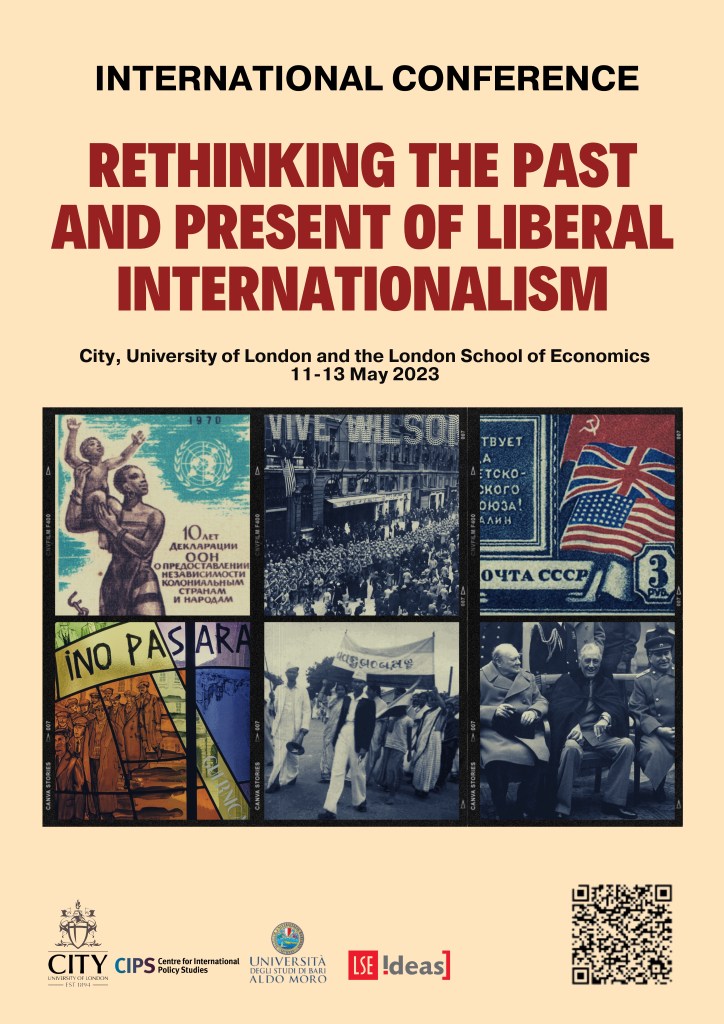
We are holding an international conference open to academics, staff and students. Please find the information here and below.
Conference Description
In recent years there is a surge in scholarly debates on the origins, transformations, legacies, and applications of liberal internationalism. Although there is no consensus on the term and its analytical frame of reference, most historians trace the emergence of liberal internationalist ideology in anglophone debates on international order during the nineteenth and twentieth centuries.
More recently, the language of liberal internationalism has been redeployed by IR scholars as a remedy to the crisis of western liberal democracy. The time seems ripe to revisit the concept of liberal internationalism and rethink its multiple pasts and presents.
To what extent can one speak of a coherent “liberal internationalist” zeitgeist? What does “liberal internationalism” mean in different periods and in different contexts? Are there non-western liberal internationalist traditions? How has empire and nationalism shaped liberal and internationalist imaginaries? What sense to do we make of binary categories such as idealism/realism, internationalism/isolationism that have shaped the debate on liberal international institutions and politics?
The conference will bring together historians, IR scholars and political theorists to survey the field of liberal internationalism and sketch out future research directions.
Early Career Seminar
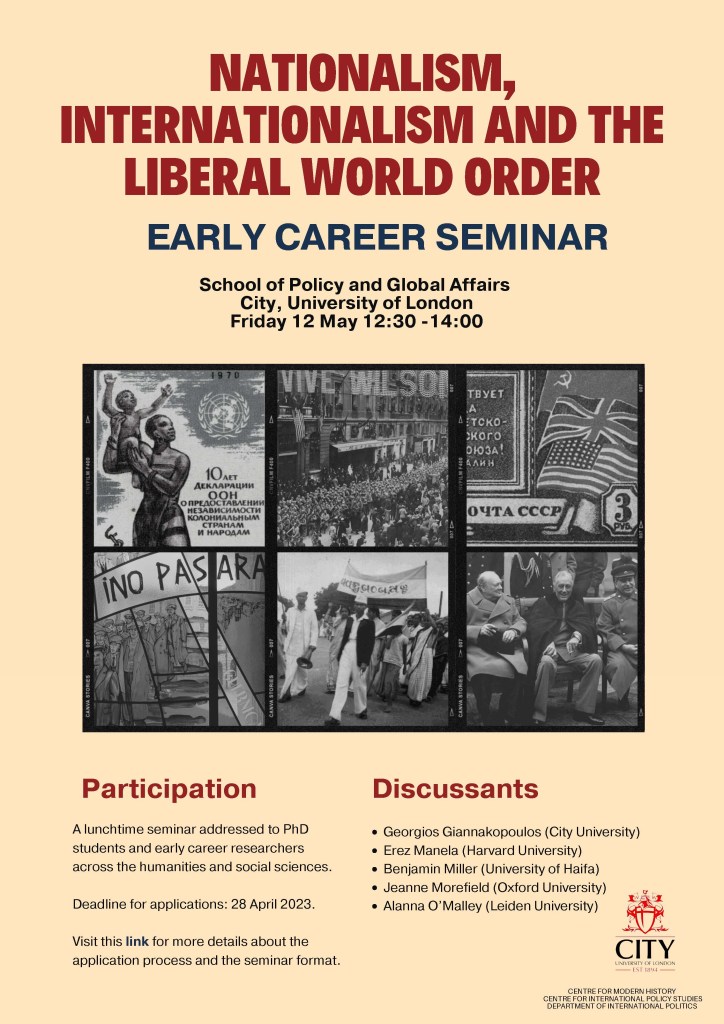
During the conference, there will be a lunchtime Early Career Seminar (on 12th May, 12:30 – 14:00) addressed to PhD students and early career researchers across the humanities and social sciences. If you wish to present, please send a short description of your project and CV in one page to Begum.Zorlu.2@city.ac.uk by 28 April 2023. Download the seminar flyer [PDF].
In the summer of 2022, British politics was dominated by two seemingly unrelated developments. On the one hand, the United Kingdom experienced record-breaking temperatures, with unprecedented heatwaves disrupting transport networks, public services and daily life, while intensifying debates over the government’s preparedness for the climate crisis. On the other, Westminster was consumed by the Conservative Party leadership contest that would determine the country’s next Prime Minister following Boris Johnson’s resignation. Although these events appeared disconnected, they both highlighted broader questions about political leadership, governance and the priorities of the Conservative government at a moment marked by economic uncertainty, rising inflation and an escalating cost-of-living crisis.
The leadership contest was precipitated by the collapse of Boris Johnson’s premiership following months of political instability. Johnson had survived a succession of controversies, including repeated allegations concerning breaches of COVID-19 lockdown regulations (“Partygate”), questions over ministerial ethics, accusations of cronyism and nepotism, and growing criticism of his leadership style. However, a wave of ministerial resignations in July 2022 ultimately rendered his position untenable, forcing him to announce his resignation after losing the confidence of a substantial proportion of his parliamentary party. Following several rounds of voting among Conservative Members of Parliament, Liz Truss and Rishi Sunak emerged as the final two candidates, with the party membership entrusted with selecting Britain’s next Prime Minister. Importantly, both candidates had served in Johnson’s Cabinet and had remained loyal to his government throughout much of the political turbulence surrounding his premiership, raising questions about the extent to which the leadership election represented substantive political renewal rather than a change of personnel.
At first glance, the leadership contest appeared historically significant from the perspective of descriptive representation. The Conservative Party fielded one of the most diverse leadership races in British political history, with several women competing alongside candidates from ethnic minority backgrounds. The presence of politicians such as Kemi Badenoch and Suella Braverman was celebrated by many Conservative politicians and supporters as evidence of the party’s inclusiveness and its ability to promote women and ethnic minority politicians to the highest levels of government. Such developments were frequently contrasted with assumptions that progressive parties alone provide opportunities for historically underrepresented groups.
Yet the diversity of the candidate field also exposed the limits of equating descriptive representation with substantive representation. While the race featured an unprecedented number of women and minority candidates, none advanced a political programme centred on gender equality, anti-racism or the protection of marginalised communities. Instead, the contest unfolded within an ideological framework shaped by the Conservative Party’s broader positions on public spending, immigration, identity politics and culture-war issues. The candidates broadly endorsed a programme combining fiscal conservatism, support for restrictive immigration policies and scepticism towards contemporary social movements such as Black Lives Matter and trans rights. This reflected not only ideological continuity within the Conservative Party but also the broader political context of post-Brexit Britain, where debates surrounding national identity, sovereignty and cultural values had become increasingly central to electoral competition. At a time when the United Kingdom faced a severe cost-of-living crisis and widening social inequalities, critics argued that continued support for austerity-oriented economic policies would disproportionately affect women, low-income households and minority communities, despite the symbolic diversity represented within the leadership contest.
Among the candidates, Kemi Badenoch emerged as one of the most prominent representatives of the Conservative Party’s right wing. Born in London to Nigerian parents, Badenoch attracted considerable attention through her criticism of concepts such as white privilege and institutional racism, her opposition to expanding transgender rights and her broader critique of what she characterised as identity politics. She also generated controversy through statements questioning aspects of contemporary climate policy and comments that critics argued minimised or legitimised Britain’s colonial past. Although eliminated before the final stages of the contest, Badenoch’s campaign demonstrated the growing influence of culture-war politics within contemporary Conservative Party debates.
Similarly, Suella Braverman, whose parents emigrated from India during the 1960s, positioned herself firmly on the party’s right. A prominent supporter of the government’s policy of transferring asylum seekers to Rwanda for offshore processing, Braverman consistently adopted a restrictive approach to immigration and asylum policy. Following legal challenges to the Rwanda scheme, she argued that it was “time to complete Brexit and let the British people decide who can and cannot stay in our country,” framing migration control as an issue of national sovereignty and democratic self-government. Her campaign illustrated how immigration remained one of the defining ideological fault lines within the leadership contest.
Penny Mordaunt represented a somewhat different profile. Having spent almost two decades in Westminster, she became the first woman to serve as Secretary of State for Defence in 2019. Her political career also reflected longstanding engagement with transnational conservative networks, including participation in George W. Bush’s 2004 presidential campaign. Nevertheless, Mordaunt maintained broadly interventionist positions on defence and foreign policy, supported military engagement overseas and voted against proposals to establish a comprehensive inquiry into Britain’s role in the Iraq War. Although sometimes portrayed as representing the more moderate wing of the party, her record nevertheless reflected significant continuity with established Conservative positions on security and defence.
The final contest ultimately pitted Liz Truss against former Chancellor Rishi Sunak. Truss, who had begun her political career as a member of the Liberal Democrats before joining the Conservative Party, had held several senior Cabinet positions, including Secretary of State for Justice, Lord Chancellor and Foreign Secretary. Throughout the campaign she was frequently described as the candidate most closely associated with Boris Johnson’s political agenda and received the endorsement of several prominent Johnson allies, including Braverman. Her record in government had also generated controversy, particularly regarding foreign policy. Among the most widely discussed examples was her public support for British citizens volunteering to fight in Ukraine following Russia’s invasion, a statement that prompted criticism because participation in foreign conflicts raised complex legal and diplomatic questions. She also faced criticism over the government’s continued export of arms to Saudi Arabia despite ongoing concerns regarding the conflict in Yemen. Domestically, Truss repeatedly criticised what she described as “post-modernist” approaches to education and equality, arguing that schools devoted excessive attention to issues such as racism and sexism at the expense of literacy and numeracy. These interventions reflected a broader Conservative discourse positioning debates around equality and identity as distractions from educational standards and economic performance.
Throughout the leadership campaign, issues relating to gender identity and transgender rights occupied a remarkably prominent place in political debate. Rather than presenting competing visions for advancing gender equality or addressing structural inequalities affecting women, much of the discussion centred on restricting the rights of transgender people. International media observed this trend, with CNN describing the contest as becoming “a transphobic spectacle” because of the prominence of rhetoric directed towards transgender communities. At the same time, candidates’ broader parliamentary voting records revealed relatively limited support for measures concerning gender equality, climate action and refugee protection. Consequently, while the leadership contest represented an important milestone in terms of descriptive diversity, it did not signify a corresponding shift towards more inclusive or progressive policy agendas. Instead, it illustrated how the increasing diversity of political elites does not necessarily translate into substantive representation of women, minority groups or marginalised communities, demonstrating the distinction between symbolic representation and transformative political change.
Global SES podcast serisi, barış süreçlerinin uluslararası ve toplumsal dinamiklerine odaklanarak, küreselin etkisini ve iç siyaset ile bir aradalığını toplumsal cinsiyet perspektifinden ele alıyor. Seriyi hazırlayıp sunan akademisyen Begüm Zorlu, “Uluslararası aktörler ve dinamikler tüm barış süreçlerinin ayrılmaz bir parçası. Bu sebeple bu seride, dış politika ve Kürt sorunu, iç ve uluslararası hukuk ve barış, iklim ve barış süreçleri, kadın dayanışması, uluslararası bağlantılar ve barış konularına odaklanmayı seçtik” diyor.
Global SES #1: Kadın, barış ve güvenlik gündemi kıskacında Türkiye’de çatışma çözümü – Prof. Dr. Ayşe Betül Çelik
Begüm Zorlu, Global SES başlıklı podcast serisinin ilk bölümünde Prof. Dr. Ayşe Betül Çelik’i konuk ediyor. Çelik, hem akademik hem de sivil toplum çalışmalarından yola çıkarak barışın toplumsallaştırılması, kutuplaşmanın çatışma çözümü dinamiklerine etkisi ve kadın hareketinin barış süreçlerindeki rolünü anlatıyor.
Two years ago, we launched a campaign titled “Women Call For Peace” to demand an end to the tension between Turkey and Greece in relation to the developments in the Eastern Mediterranean. We are still making that call.
Begum Zorlu
Equality Justice Women Platform
There is again a worrying escalation of militarist language demonstrated with President Erdoğan’s statement “we can come suddenly in the middle of the night.”
In his statement a couple of days ago the president stated that Greece would pay a “heavy price” if it does not halt military buildup on Greek islands near its coastline. The escalation of the threatening language drew attention regionally as the spokesman for European Union foreign policy chief Josep Borrell, stated “threats and aggressive rhetoric are unacceptable and need to stop.”
In our weekly meeting for the Equality, Justice and Women Platform, we discussed how the language of escalation mirrored what has been termed the “masculine” style of politics, that disregards the language of reconciliation and conflict resolution. However, this language is unfortunately not new and it can be argued that it emerges when the incumbent wants to distract the public and create an environment to justify its “style” of politics by amplifying a hostile other.
Two years ago, with a joint effort, we wrote a statement to demonstrate that the need for the promotion of a peaceful language along with diplomacy in relation with the Eastern Mediterranean crisis. Our statement rejected the concept of a hostile other and demonstrated the togetherness of women from the two counties.
Our statement underlined that “the rhetoric of conflict and potential conflicts threaten not only the security of the citizens of both countries but also the entire region. We focused on the areas of cooperation between the two countries arguing that it was more important than ever at a time when the global pandemic is deepening inequality, leading to economic crises and increasing the marginalization of women. By amplifying the need for peaceful coexistence we called for Greece and Turkey to negotiate their differences through peaceful diligent diplomacy under the guidelines of international law and equity, if necessary, with observers from international institutions.
I took part in the formation, circulation and the exhibition of this call which was opened to signature on a website that we named “Women Call For Peace.” In an overwhelming and rewarding moment, we received hundreds of messages and signatures, from women living in both countries. The existence of an alternative call and the ties of solidarity created by that interaction has demonstrated to us that another reality and a rejection of the militarist language can be achieved.
So this week again the utilisation of a militarist language again has demonstrated how our endeavour to say “no” to this tone and to promote diplomacy, links between civil society agents is essential to change the conversation.
In her commentary, Begum Zorlu, PhD researcher at City, University of London, argues that by denying Kurdish politician Aysel Tuğluk proper treatment for her dementia, authorities are putting her life at risk.
All persons under any form of detention or imprisonment shall be treated in a humane manner and with respect for the inherent dignity of the human person.
Basic Principles for the Treatment of Prisoners, Article 1; UN Body of Principles for the Protection of All Persons under Any Form of Detention or Imprisonment
Followers of Turkish politics are aware that since the coup attempt in 2016, democratic backsliding in the country has taken the form of unjust trials, rights violations, and political violence. The deterioration of rights has also been evident in cases of detention, which are clearly in violation of the basic principles for the treatment of prisoners highlighted in international treaties. Kurdish politician Aysel Tuğluk’s continued captivity to this day demonstrates the cruelness of the current political climate in Turkey and marks a grave human rights violation.
Aysel Tuğluk is a prominent Kurdish politician and a human rights lawyer who has been active in national politics for almost twenty years. She was the founding member and Co-Chair of the pro-Kurdish Democratic Society Party.
Her life has been marked by struggle on multiple fronts as she explained in one of her interviews that the death of her father and brother during her childhood shaped her desire to enter politics. She was raised by a diligent mother, who tried to make ends meet to keep Tuğluk in education. Tuğluk described the losses she faced during her childhood as motivating her to enter politics.
Aysel Tuğluk faced repression throughout her career and has been imprisoned since 2016 due to the charges on terrorism linked to the outlawed Kurdistan Workers’ Party (PKK). However, as the solidarity group “1000 Women for Freedom to Aysel Tuğluk” has outlined, these charges are linked to the speeches she made as a deputy, which are within the scope of freedom of thought and expression. While serving her sentence Tuğluk’s mother Hatun Tuğluk passed away in 2017, and the funeral was attacked by far-right protestors in Ankara. A large group attacked with stones and sticks and threatened to prevent the funeral. Due to this, Tuğluk’s family decided to move Hatun Tuğluk’s body from the cemetery where she was buried so that it would not be attacked. The crowd also shouted racist and discriminatory slogans like “we will not bury terrorists here. This is not an Armenian cemetery. If you bury them, we will cut them to pieces!” This undoubtably became a traumatising event as Aysel Tuğluk’s farewell to her mother was marked by attacks and threats. Due to the continued threats and impunity, Tuğluk’s mother’s body had to be transferred to Dersim. She was not able to attend the funeral as a permit was not given by the authorities. Tuğluk’s family and friends believe that the attacks have triggered or contributed to her illness. She was diagnosed with dementia in prison last year.
The situation is getting worse and urgent action needs to be taken
Even though her illness is progressing, Tuğluk is repeatedly facing obstacles to receiving the right treatment. After a long-term legal struggle, which recently concluded, the courts decided for her release. However, it was announced that Tuğluk will have to continue to stay in prison, due to receiving a sentence as part of another case.
The situation is dire. As a result of the treatment and examinations carried out by Kocaeli University Forensic Medicine Department months ago, it was stated that Aysel Tuğluk could not stay in prison. Her lawyer Ezgi Güngördü, stated that Tuğluk did not even remember the release decision given in the Kobanê case . Despite multiple medical and expert reports stating that “Tuğluk cannot stay in prison alone”, the official Institution of Forensic Medicine says she can stay imprisoned. However, the same Institution of Forensic Medicine made a decision to release the General Çevik Bir, who is also facing the same illness.
Solidarity Continues to Grow
Rights activists in Turkey and around the world have been working to raise awareness of her case and secure her release. In January, an application was made to the UN for the release of Tuğluk and other sick prisoners. Bar associations and non-governmental organizations wrote a letter to the UN to take action on the state of sick prisoners. This letter, signed by bar associations, law and human rights organizations from countries around the world was sent to the UN Special Rapporteur on Torture and Ill-Treatment, Independence of Judges and Lawyers, The Condition of Human Rights Defenders, Physical and Mental Health, and Minority Rights, and the Arbitrary Arrests Working Group.
Her captivity led to domestic and international reactions. The Republican Peoples’ Party (CHP) Adana Provincial Organization Chair Mehmet Çelebi has made a call for Aysel Tuğluk’s release from prison. Feminist activists and authors like Silvia Federici and Angela Davis also sent calls of solidarity.
Free Aysel Tuğluk Now
After the announcement that Tuğluk will not be released, the “Platform of 1000 Women for Aysel Tuğluk” gathered in front of the prison. Speaking at the gathering, Prof. Dr. Özgün said “Unfortunately, Aysel Tuğluk no longer has the opportunity to meet her needs and maintain her personal care without assistance.
Tuğluk’s continued captivity is making her illness worse, leading to an irreversible point with each passing day. As Kurdish politician Ahmet Turk put it earlier, “The government is approaching this issue with hostility. It is inhumane to keep a person in such a state of health in prison.” It is therefore correct to state that every day that Tuğluk is being held amounts to the continuation of a human rights violation. She must be released immediately.
While there is comprehensive literature on the role of religion in society (Mardin, 2006) terrorism (Juergensmeyer, 2008) regime characteristics (Menchik, 2016) and political parties (Layman and Layman, 2001); how it impacts “state identity” is a question that has received little attention. Öztürk’s book fills the gap by focusing on the role of religion shaping state identity by focusing to the case of Turkey with a historical approach. The book’s central puzzle is to investigate religion–state relationship as a crucial characteristic of “state ideology, identity and power” (Öztürk, 2020, p.12). By looking at Turkey’s Directorate of Religious Affairs, known as Diyanet’s influence in four case studies, the book builds a portrayal of the dynamics of change in state identity. It looks at how do these changes manifest themselves in various areas such as foreign policy orientations and preferences of home and host countries.
While the book’s primary focus centers on the influence of religion under the AKP, it also sheds light on the significance of religion in shaping Turkish state identity. The initial chapters review the “institutional continuity” of the Diyanet, highlighting the contributions of different leaders in shaping this institution over time. Similarly, one of the strengths of this book lies in its examination of the processes of change, specifically how Turkey’s evolving foreign relations have influenced the perspectives of the host states. The author argues that the transition from a “secularist identity” to a religious one has profoundly impacted the dynamics of interaction. Furthermore, this emphasis on identity is intertwined with the importance of interests.
Drawing upon rich data accumulated over four years of fieldwork, the author demonstrates how religious soft power shapes Turkey’s foreign policy. The book shows the intricate relationship between religion and foreign policy by providing insightful anecdotes and reflections. For example, the author shares encounters with Bulgarian state officials who initially welcomed the input of the Diyanet. In the case of Albania, the book highlights Turkey’s role in exacerbating divisions among the country’s various Islamic factions.
The book offers a valuable contribution to understanding Turkish cultural diplomacy and its impact on state identity. It successfully bridges the gap in the existing literature by analysing the interplay between religion, foreign policy, and state identity.
The book addresses the growing interest in Turkey’s foreign policy and provides an on-the-ground focus on its identity and how it is manifested in the Balkans. The extensive fieldwork conducted in multiple countries adds originality, facilitates useful comparisons, and provides a compelling narrative about Turkey’s foreign policy identity. The insights gathered from interviews are valuable to researchers, especially given the challenges of data collection in a polarised political environment. Even though the author shares his reflections and how he is perceived by the actors in the field, there could have been more emphasis on reflexivity, and more reflections on power from the field dynamics. This would have provided the reader with a broader understanding of the fieldwork dynamics.
Bibliography
Bellin Eva (2008) Faith in Politics: New Trends in the Study of Religion and Politics” World Politics, Volume 60, Number 2
Juergensmeyer Mark (2008) Global Rebellion: Religious Challenges to the Secular State, from Christian Militias to al Qæda, University of California Press
Layman, G., & Layman, G. C. (2001) The great divide: religious and cultural conflict in American party politics.
Mardin, S. (2006) Religion, society, and modernity in Turkey. Syracuse University Press.
Menchik, J. (2016) Islam and democracy in Indonesia: Tolerance without liberalism. Cambridge University Press.
Meksika’da geçtiğimiz günlerde bir çok yorumcunun “mega” olarak nitelendirdiği federal, bölgesel, ve yerel düzeyde seçimler gerçekleşti. Bir çok medya kuruluşu, gerçekleşen seçimlerin, iktidardaki başkan Andrés Manuel López Obrador için bir test niteliğinde olduğunu vurguluyordu. Seçimin ana aktörleri Obrador liderliğinde Morena’nın (Ulusal Yenilenme Hareketi) hakimiyetini sürdürdüğü Juntos Hacemos Historia[1]ve ona karşı çıkan, daha sağ/klasik partilerden oluşan Va For Mexico[2] (Meksika için İlerle) koalisyon bloğuydu. Öne çıkan ana konular arasında, Obrador’un pandemi yönetimi, kutuplaştırıcı dili ve eyaletlerde artan, büyük şehirlerdeki düşen popülaritesi vardı. Toplumsal cinsiyet perspektifinden seçimleri takip edenler de kadın cinayetlerinin ve genel olarak şiddetin hakimiyeti, yapısal reformlar ile gerçekleşen toplum cinsiyet eşitliğinin kadın temsiline etkisi üzerine odaklandı.
Meksika siyasetinde önem kazanan koalisyonlar, seçime giden süreçte Obrador’un vadettiği kökten değişimi gerçekleştirmesi için en önemli araçlarından biri oldu. 2018 seçimlerinde Morena tek başına mutlak çoğunluk eşiğine ulaşamadığı için, sonraki aylarda başka partilerden koalisyon ortaklarını kendi saflarına geçirmeye başladı. Yasama döneminde, PT (İşçi Partisi) ve PES (Sosyal Karşılaşma Partisi) partilerinden geçiş yaşandı. Morena, 2019’da PVEM (Meksika Yeşil Ekolojik Partisi) ile gerçekleştirilen ittifak sayesinde 334 koltuğa ulaşarak Temsilciler Meclisi’nde “süper çoğunluğunu” sağladı. Bu seçimde Morena’nın 2018 seçimi ve ardından yükselişi dursa da, müttefikleriyle meclisteki çoğunluğunu korudu. Fakat, büyük yasal ve anayasal reformları için diğer partilerinin desteğine bağımlı hale geldi[3]
Geçtiğimiz seçimden bugüne korunan başka bir şey ise kadın temsilinin öne çıkmasıydı. Meksika’nın temsil eşitliğindeki başarısı, siyasi partilerin adaylıklarında cinsiyet eşitliğini sağlamalarını zorunlu kılan 2014 Anayasa reformu sayesinde gerçekleşmişti. 2018 seçimlerinde kadınlar Temsilciler Meclisi’ndeki sandalyelerin yüzde 48’ini ve Senato’daki yüzde 49’unu alarak bir ilke imza atmıştı. Birleşmiş Milletler Meksika’nın cinsiyet eşitliğini sağlama yolundaki bu başarısını “eşi görülmemiş” olarak nitelendirmiş, Meksika böylece kadınların Parlamentodaki temsili açısından ilk beş ülke listesine girmişti.
Obrador’un yükselişini ve kadın hareketi ile ilişkisini irdelemek için 2018 seçiminin arka planına değinmekte fayda var. Yolsuzluğa karşı kendini “dışarıdan” bir aday olarak konumlandıran Obrador liderliğindeki Morena (Ulusal Yenilenme Hareketi) 2018 seçimlerinde benzeri görülmemiş başarı elde etti. Tarihsel olarak PRI (Kurumsal Devrimci Parti) ve PAN’ın (Ulusal Hareket Partisi) hükmettiği iktidarı siyasetin “kirliliğine” bulaşmamış bir aday olarak siyasi alanı sarsmış, ve bu mobilizasyonda da kadın temsilini öne çıkarmıştı. Böylece, Morena, kadın gündemini 2018 seçim kampanyasının ana meselelerinden biri haline getirdi. 2018 seçimlerindeki başarısından sonra, Obrador, İçişleri Bakanlığı da dahil olmak üzere kabinesinin yarısına kadınları atadı. Seçimlerinin ardından yine çığır açıcı bir anayasa reformunu ile tüm seçilmiş adaylar ve yürütme ve yargı organlarındaki en üst düzey görevler için cinsiyet eşitliği kuralı getirildi. “Her şeyde eşitlik” olarak adlandırılan reform, Mayıs 2019’da kabul edildi. Tek bir Kongre üyesi bile karşı oy kullanmadı.
Chilpancingo adayı Norma Hernandez, Guerrero adayı Evelyn Salgado REUTERS/Edgard Garrido/File Photo
Böyle bir kurumsal altyapı altında gerçekleşen seçimlerde ise eyalet valiliği pozisyonunu[4] kazananların 15’te 6’sı kadın adaylar oldu. Kazanan 6 kadının 5’i Morena’nın adaylarıydı. Bu tarihsel olarak kadın temsilinin düşük olduğu bir kurum için çok önemli bir başarı olarak öne çıktı. (Bugüne kadar sadece dokuz kadın seçildiğini not düşelim.) Gelecek günlerde diğer seçim sonuçlarında da kadın temsili hakkında da raporlar yayınlanacaktır.
Kadın Hareketi ve Obrador
Kadın temsilindeki başarı Obrador’a ve partisine karşı feminist eleştirileri sona erdirmedi. İktidara gelmesi ile birlikte Obrador’un kadın hareketi ile arası açılmaya başladı. Feminizmi bir “yabancı” ideoloji olarak nitelendirmesi ve kadın cinayetlerini küçümsemesi bu ayrılışın en sarsıcı örneklerindendi. Mart ayında gerçekleşen feminist protestolarında on binlerce kişi başkentte yürüyüş gerçekleştirirken, hareketin kısmen “bu hükümetin başarısız olduğunu görmek isteyen” siyasi muhaliflerin işi olduğunu söylemişti. Pandemi sürecinde aile içi şiddet çağrılarının çoğunun sahte olduğunu belirtmesi, Meksika’nın aile yapısını “istisnai” olarak tanımlayıp akrabalık bağlarının Meksikalı kadınları istismardan koruduğunu öne sürmesi kadın cinayetlerine karşı skandal tepkilerinden bazılarıydı.
Obrador’un seçim sürecinde bir kaç kadın tarafından tecavüz ile suçlanan adayı desteklemesi ve adaya karşı suçlamaları politik olarak nitelendirmesi öne çıkan sorunlardan biriydi. Birçok kadın, Lopez Obrador’un Guerrero’nun ilk adayı Felix Salgado’ya verdiği desteğe tepki gösterdi. Saldago’nun suçlandığı vakalar arasında içeceğe uyuşturucu katıp tecavüz etme ve baygın olan kadını fotoğraflayıp yayma tehditi de vardı. Salgado iddiaları reddetse de, sonunda seçim yetkilileri tarafından kampanya finansmanı usulsüzlükleri nedeniyle yarıştan atıldı. Yerine Guerrero’yu kazanacak olan kızı Evelyn atandı. Pozisyonu kazanan Evelyn’nin kampanya sürecine babası da aktif olarak katıldı.
Seçim Şiddeti ve Obrador’un Siyasi Üslubu
Seçimlerde yadsınamayacak en önemli dinamiklerden bir başkası ise kuşkusuz seçim dönemi yaşanan şiddet dalgasıydı. Bir çok kadın adayın da öldürüldüğü süreçte, seçim merkezleri ve kampanya süreçlerinde korkunç bir vahşet yaşandı.[5] 6 Nisan’da başlayan kampanya döneminden seçimlere kadar en az 34 aday öldürüldü, onlarca aday da hedef alındı ve saldırıya uğradı. (Sayısı 100’e ulaşan, farklı zaman dilimlerindeki şiddeti inceleyen raporlar da mevcut.) Obrador’un kavgacı, hedef gösteren ve yok sayan iletişim tarzı bu şiddet sarmalını ele almakta başarılı olamadı[6]. Gómez Romero’nun belirttiği gibi öldürülen 89 politikacıdan 25’i Morena’nın koalisyonunun üyesi olmasına rağmen Obrador Meksika’daki seçim şiddetine ilişkin haberleri, kadın cinayetlerini ele alışı gibi “medya sansasyonu” olarak değerlendirdi. Tüm bu şiddet sarmalına rağmen vurularak öldürülen Belediye Başkan adayı Alma Barragan’ın yerine aday olan kızı Alma Denisse Sanchez Barragan’nın seçilmesi gibi örnekler de kadınların mücadele etmedeki direncini gösterdi[7]
Kadınlar Tehdit Altında
Meksika’nın seçim sonuçlarında her şeye rağmen kurumsal adımların kadın temsilinde önemli adımlar attırabileceği görülüyor. Obrador liderliğinde Meksika önemli bir başarıya imza atsa da, şiddetin önlenememesi, feminist hareketin küçümsenmesi ve ekonomik sorunlar kadınların mücadelesinin sandığın çok ötesinde olduğunu gösteriyor. İktidar, kadın cinayetlerini durdurmakta başarılı olamıyor. Özellikle siyasette yer alan kadınlar ve gazeteciler şiddetle her gün karşı karşıya kalıyor. Gazetecilerin tehdit mesajları “sana ve kızına tecavüz edeceğim” gibi cinsiyetçi, tehdit ifadeleri barındırıyor. Kadınlar, ölüm tehlikesinin hakim olduğu bir ortamda siyaset yapmaya çalışıyor. Bu seçimler ise onların yılmadığını, en ağır baskı ortamında bile mücadele için alan açıp, ülkeyi saran umutsuzluğu yenmeye çalıştıklarını gösteriyor.
Notlar
[1] Partinin adı “Beraber Tarih Yazıyoruz” olarak çevrilebilir. Ayrıca koalisyonun her eyalet için geçerli olmadığını not düşmekte fayda var.
[2] Koalisyon hakkında mevcut bir Türkçe literatür olmasa da koalisyonun üyelerinin (PAN, PRI, PRD) perspektiflerinden ötürü “Meksika için İlerle” olarak çevrilebilir.
[3] Meksika Yeşil Ekolojik Partisi’nin (Kısaltması: PVEM, adı Yeşil Parti olsa bile politikaları çok da Yeşil olmayan bir parti) oylarının yükselişinin Obrador’u stediği reformları gerçekleştirme açısından limitleyeceği düşünülüyor.(Bunda bir önceki seçimde partinin Va For Mexico ile koalisyona girdiğini ve idam cezasını savunduğunu hatırlatmakta fayda var.)
[5] France 24 kanalında cinayetler üzerine yorum yapan bir vatandaşın sözlerinden de bu anlaşılıyordu: “sizi burada ölümle tehdit etmiyorlar, direk öldürüyorlar.”
[6] Buna başka bir örnek vermek gerekirse Meksika Anayasası ve seçim yasaları, kamu görevlilerinin seçimler sırasında kendilerini veya siyasi müttefiklerini tanıtmak için hükümet mekanizmalarını kullanmalarını yasaklamasına rağmen, Obrador seçimlerde bu yöntemi bolca kullandı. Meksika Ulusal Seçim Enstitüsü, cumhurbaşkanına basın toplantılarında seçimle ilgili konularda yorum yapmaktan kaçınmasını söyledikten sonra, Obrador kuruma karşı bir karalama kampanyası başlattı.
[7] Şiddet hakkında bir önemli nokta ise bölgesel eşitsizlikler ve belli bölgelerde uyuşturucu ticareti sebebiyle yaşanan yönetim krizi. Siyasal şiddettin özellikle bu bölgelerde gerçekleştiğini not düşmek gerek.
Kadınların seçilmesi ile toplumsal cinsiyet sorunlarının çözülmediğinin de altını çizmekte fayda var. Bu yılın başlarında “viral” olan bir videoda Hermosillo Belediye Başkanı Célida López, kürtajı destekleyen kadınları “moronlar” olarak adlandırdı ve birçok kürtaj yanlısı aktivistin giydiği yeşil bandanalarla dalga geçti.
[1] Partinin adı “Beraber Tarih Yazıyoruz” olarak çevrilebilir. Ayrıca koalisyonun her eyalet için geçerli olmadığını not düşmekte fayda var.
[2] Koalisyon hakkında mevcut bir Türkçe literatür olmasa da koalisyonun üyelerinin (PAN, PRI, PRD) perspektiflerinden ötürü “Meksika için İlerle” olarak çevrilebilir.
[3] Meksika Yeşil Ekolojik Partisi’nin (Kısaltması: PVEM, adı Yeşil Parti olsa bile politikaları çok da Yeşil olmayan bir parti) oylarının yükselişinin Obrador’u stediği reformları gerçekleştirme açısından limitleyeceği düşünülüyor.(Bunda bir önceki seçimde partinin Va For Mexico ile koalisyona girdiğini ve idam cezasını savunduğunu hatırlatmakta da fayda var.)
[5] France 24 kanalında cinayetler üzerine yorum yapan bir vatandaşın sözlerinden de bu anlaşılıyordu: “sizi burada ölümle tehdit etmiyorlar, direk öldürüyorlar.”
[6] Buna başka bir örnek vermek gerekirse Meksika Anayasası ve seçim yasaları, kamu görevlilerinin seçimler sırasında kendilerini veya siyasi müttefiklerini tanıtmak için hükümet mekanizmalarını kullanmalarını yasaklamasına rağmen, Obrador seçimlerde bu yöntemi bolca kullandı. Meksika Ulusal Seçim Enstitüsü, cumhurbaşkanına basın toplantılarında seçimle ilgili konularda yorum yapmaktan kaçınmasını söyledikten sonra, Obrador kuruma karşı bir karalama kampanyası başlattı.
[7] Şiddet hakkında bir önemli nokta ise bölgesel eşitsizlikler ve belli bölgelerde uyuşturucu ticareti sebebiyle yaşanan yönetim krizi. Siyasal şiddettin özellikle bu bölgelerde gerçekleştiğini not düşmek gerek.
Bu yazı Koç Üniversitesi Toplumsal Cinsiyet ve Kadın Çalışmaları Araştırma ve Uygulama Merkezi’nin blog sayfasında yayınlanmıştır. Eşitlik, Adalet, Kadın Platformu için Türkçe’ye çevrilmiştir. Yazının İngilizce orijinaline bu linkten erişebilirsiniz.
Giriş
2020 koronavirüs salgını hayatımıza bir şok etkisi yaratarak girse de neoliberal hegemonya kapsamında devletlerin yaptığı siyasi seçimler göz önüne alındığında, o kadar da beklenmedik değildi. 1970’lerden beri uygulanan mali kısıtlamalar ve özelleştirme politikaları devletin denetleme kapasitesini sistematik olarak zayıflatarak sosyal refahı, insan güvenliğini ve gezegeni tehlikeye sokmuştur.
Pandemi, devletler topluluğunun birbiriyle ne kadar bağıntılı olduğunu ve ortak sorunlara kolektif bir yanıt vermenin aciliyetini ortaya çıkardı. İronik olarak, aynı zamanda kendi kendine yeterlilik savunucularını da cesaretlendirdi. Bu nedenle, küresel iş birliği için Covid-19 mirasının karmaşık ve çok yönlü olması muhtemeldir.
Pandeminin olası etkilerini anlamamız açısından mevcut krizin toplumsal cinsiyet üzerindeki etkisi güçlü bir giriş noktası sunuyor. Pandeminin kadınlar üzerindeki olumsuz sonuçları hakkında çok şey yazıldı ve bunlar büyük ölçüde etkinin orantısızlığına odaklandı. Bu popüler söylemden uzaklaşmak ve mevcut krizin toplumsal cinsiyete dayalı sonuçlarının sadece kadın ve erkek arasındaki göreli bir farklılık meselesi olmadığını, sorunun daha çok sistemsel ve yapısal bir nitelik taşıdığını savunmak istiyorum. Toplumsal cinsiyet ilişkileri kadınları bakım erkekleri de geçimden sorumlu kişiler olarak konumlandıran ataerkil iş bölümünün sonucudur. Tarihsel olarak ana akım ekonomi ve yönetim biçimlerinin örgütlenme mantığı ailenin geçimini sağlayan erkek (hane halkı reisi) normu üzerine kurulurken, bakım bu mantığa ikincil kılınmıştır.
Pandemi bu ana akım sistemi bozarken, iş dünyası ve kamusal alan şimdi kargaşa içinde ve toplumsal cinsiyet eşitliği ve uluslararası ilişkiler için derin etkileri olan birbiriyle ilişkili iki eğilimi körüklüyor: (i) bakım krizi ve (ii) güvenlikleştirme.
Bakım krizi
İktisatçılara göre, mevcut durgunluk olağandışıdır ve istihdam etkileri bakımından, önceki ekonomik gerilemelere kıyasla belirgin bir şekilde farklıdır. Önceki krizler ya ağırlıkla erkekleri ya da kadın ve erkekleri aşağı yukarı eşit olarak etkilemişti[1]. İmalat ve inşaat gibi erkeklerin egemen olduğu sektörler ekonomik döngülerle yakından bağlantılıyken, kadınların egemen olduğu, hizmetle ilgili sektörler normalde daha az döngüseldir. Mevcut kriz en çok bu daha az döngüsel işleri vurarak kadın istihdamında keskin bir düşüşe neden oldu, ancak kadınlar aynı zamanda virüsle mücadelenin ön saflarında yer alan temel işlerde ağırlıklı olarak temsil edilmeye devam etti (örneğin sağlık çalışanlarının %70’inden fazlası kadın).
Salgının başlangıcından bu yana, piyasa ekonomisi yavaşlarken hem ücretli hem de ücretsiz bakım emeğine olan talep arttı. Pandemi ile başa çıkmak için devlet ne kadar az sağlayabilmişse, haneler ve topluluklar o kadar daha fazla yükün altına girme zorunda kalmışlar ve bir bakım krizi patlaması yaşanmıştır.
Bakım ekonomisi uzun süredir krizde olsa da günlük yaşamı küresel ölçekte etkisi altına alması mevcut pandeminin bir sonucudur. Yeniden üretim işiyle bağlantılı toplam bakım emeği, ekonomik faaliyetin büyük bir dilimini oluşturur. Ücretli bakım emeği, küresel işgücünün %11,5’ini teşkil ediyor ve çalışanların üçte ikisi kadın (Uluslararası Çalışma Örgütü). Ücretsiz bakım işi günde yaklaşık 16,4 milyar saat, yani 2 milyar işe denk geliyor ve yine bunların dörtte üçünden fazlası kadınlar ve kızlar tarafından yapılıyor.
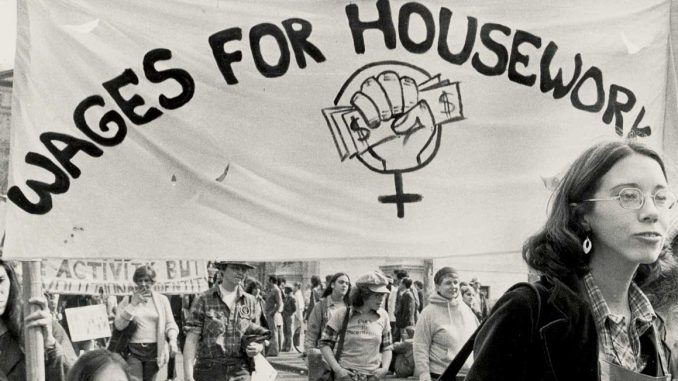
Bununla birlikte, bakım işi büyük ölçüde küçümseniyor; ücretsiz bileşeni görünmez kalıyor ve GSYİH gibi geleneksel ekonomik faaliyet ölçülerin dışında tutuluyor. Kadınsı olarak klişeleştirilen ücretli bakım işi ise, işverenlerin düşük ücretli, esnek, kolay harcanabilir ve değiştirilebilir işçi teminini kolaylaştırıyor. Feministler uzun zamandır bakım işlerinin değersizleştirilmesini kadınların boyun eğdirilmesinin ve sömürülmesinin kaynağı olarak tanımladılar. 1972’de İtalya’da başlayan ‘Ev İşine Ücret’ (Wages for Housework) kampanyalarını, bakım emeğine görünürlük kazandırmak için paha biçilmez pek çok girişim izledi. Ancak bunlar bölünmüş politika ve uygulamaların ötesine geçemedi ve bakım işleri büyük ölçüde özel yaşamın gölgesinde fark edilmez kaldı.
İtalyan feminist Sylvia Federici, 30 yılı aşkın bir süre önce bakım işinin değersizleştirilmesinin tehlikeleri konusunda uyarmıştı ve sonunda görmezden gelinemeyecek kadar büyük bir krize dönüşeceğini belirtmişti. Ana akım kamusal yaşamı kesintiye uğratan pandemi, gerçekten de bu gerçeği görmezden gelinemeyecek kadar büyük bir hale getirdi: bakım ekonomisindeki kriz tüm kesimlerin dikkatini çekecek hale geldi.
Ana akım geçim modeli
Geçimden sorumlu erkek modeline dayanan ana akım ekonomi, yıllar içinde önemli değişim geçirdi. Küresel çapta yaşanan sosyo-ekonomik dönüşümler ve kadın hakları hareketleri sonucunda kadınlar artan sayılarla işgücü piyasasına entegre oldu.
İstihdam ve karar alma pozisyonlarında cinsiyet dengesi ile ölçülen toplumsal cinsiyet eşitliği göstergeleri, devletler ve uluslararası kuruluşlar için politika hedefleri haline geldi. Orta sınıf ve varlıklı kadınlar için bu, bakım ve ev sorumluluklarını daha az avantajlı kadınlara devretmek anlamına geliyordu. Alt sınıftan kadınlar zaten uzun süredir fabrika ve sıradan işlerde ucuz emek kaynağı olmuştu.
Pandemi döneminde kapanma kararları eğitim ve ticaret sektörlerinin yerinde faaliyetlerini kesintiye uğrattı ve bu faaliyetlerin büyük kısmı modern aileye devredildi. Böylece, aile ortamı uzlaşmaz taleplerin, artan üretim, sömürü ve istismarın yaşandığı bir çatışma alanına dönüştü. Geleneksel kamu/özel, ev içi/profesyonel, ücretli/ücretsiz emek ikililerinin sınırları bulanıklaştı. Covid-19 kapsamında, işlerin uzaktan yapılıp yapılmayacağına ve zorunlu evde kalma politikalarına göre belirlenen yeni ayrım, kapanmadır.
Kapanma özellikle aşırı kalabalık haneler ve açık alana, teknolojiye ve güvenli gelire erişimi olmayanlar için çok sayıda zorluk ve kırılganlık yarattı. Devlet destek paketlerinin yetersiz olduğu ülkelerde, dezavantajlı grupların hayatta kalması ciddi bir mücadele haline geldi. Salgına yönelik politika tepkileri, mevcut eşitsizlikleri derinleştirirken yenilerini tetikledi ve intiharlar, yaygınlaşan şiddet vb. gibi sosyal patolojilerde patlamalar yarattı.
Orta sınıf profesyonel kadınlar, ana akım kamusal yaşama entegre olma ve cam tavanı kırma mücadelesinde yıllarca göreli başarı elde ettikten sonra, kendilerini bakım ve ev işinin birincil sağlayıcıları olarak bir kez daha eve kapanmış buldular – ki bu durum, kendilerinin bunun ötesine geçtiğini düşünenleri bile etkiledi. Bu kaba uyanışı birçok soruyu da beraberinde getirdi: geçtiğimiz on yıllarda kadın haklarında kaydedilen ilerlemeler sadece bir yanılsama mıydı? / ana akım ataerkil iş bölümü özünü koruyarak kendini yeniden mi üretti? / biz kadınlar başladığımız yere geri mi döndük?
Güvenlikleştirme
Başka bir düzeyde, tarih boyunca yaşanan diğer ekonomik krizler gibi, mevcut pandemi, ikiz kulelere yönelik 11 Eylül 2001 saldırılarından bu yana zaten yükselen bir eğilim olan milliyetçi emelleri ve güvenlikleştirmeyi pekiştirdi. Covid-19, milliyetçi söylemlere meyilli sosyo-ekonomik çıkarlara sınırları kapatmak ve kritik tıbbi malzemeler ve temel gıda ürünleri üzerinde ihracat kısıtlamaları uygulamak için elverişli bir zemin sağladı.
Otoriter hükümetler, muhafazakâr gündemlerini ilerletme fırsatını yakalamakta hızlı davrandılar ve pandemiyi hak ve özgürlüklere baskı yapmak için araçsallaştırdılar; kadın hakları genelde hedeflerin ön saflarında yer aldı. Bu bağlamda, birçok hükümet katı kürtaj yasaları yürürlüğe soktu, protestoları yasakladı, aile odaklı ideolojileri destekledi ve evrensel insan hakları standartlarını yerel kültüre ve dine yabancı olarak karaladı. İstanbul Sözleşmesi etrafındaki tartışmalar ve Türkiye’nin nihai olarak anlaşmadan çekilmesi bu açıdan açıklayıcıdır. Polonya’nın benzer bir yol izlemesi olasıdır.
Uluslararası hukuk ve hükümetler arası kurumlara yönelik artan şüphecilik, çok taraflılığı (multilateralism) bir krize sürükledi. Yeni otoriterlik, mevcut pandemiye ilişkin sorunları, uluslararası bağımlılık ve dışardan empoze edilen normlara bağlıyor ve bu durumu güvenlikleştirme, milliyetçi çözümler ve sert sınırlar uygulayarak düzeltmeyi hedefliyor. İlginçtir ki, bu otoriter hükümetler koronavirüs pandemisinden kaynaklanan sağlık ve sosyo-ekonomik ihtiyaçlara etkin bir şekilde yanıt vermede çok az başarı gösterebilmişlerdir.
Covid-19’un hayatı tehdit eden riskleri, kapanma uygulamaları, ev içi sorumlulukların artması, baskıcı devlet politikalarıyla birleşince kadınlar tekrar özel alana hapsedildi ve kadın örgütlerinin toplumsal cinsiyete dayalı şiddet ve insan hakları ihlallerine karşı aktivizmleri kısıtlandı. İyi haber şu ki, dayanışma ağlarını yerelden küresele, birçok düzeyde genişletmek için interneti etkili bir şekilde kullanan kadın örgütleri dirençli olduklarını kanıtladılar.
Bakım krizi ve güvenlikleştirmenin kesişme noktaları
Covid-19 salgını, ana akım kamu/özel ikiliğinin kırılganlığını gözler önüne serdi ve bakım emeğinin ailelerin, toplumların ve ekonomilerin idamesinde temel bir bileşen olduğunu ortaya çıkardı. Tarihsel olarak, kadının ücretsiz emeği sayesinde, geçiminsağlayıcısı son kertede haneler olmuştur.
Kadının ücretsiz ve ücretli bakım emeğinin piyasa, devlet ve ataerkil cinsiyet rejimi idamesindeki önemi onların neden rıza ya da zorla yerlerinde tutulmaları gerektiğini de açıklayan bir faktördür. Ancak, yıllarca süren kadın hakları mücadeleleri ve dünya çapındaki daha yakın tarihlerdeki feminist grev dalgalarının kanıtladığı gibi, kadınlar artık kapitalizmin dalga kıranı olmaya ve önceden belirlenmiş bakıcı rolüne boyun eğmeye istekli değiller.
Ayrıca, düşme eğiliminde olan doğurganlık seviyeleri ve hane halkının değişen demografik yapısı kronik bir bakım işgücü açığına işaret ediyor. Yüksek doğum oranlarının teşviki, esnek çalışma düzenlemeleri, bakım sorumluluklarının çiftler tarafından paylaşılması veya akıllı robotların icadı gibi konulardaki politikalar, uygulanabilir ve sürdürülebilir bir çözüm vaat etmekte yetersiz kalıyor.
Popülist geri tepki (backlash) ve muhafazakâr cinsiyet politikaları, istikrarsızlaştırılmış geleneksel ataerkil düzeni yeniden tesis etmeye yönelik umutsuz çabalardır; bu düzenin sürdürülmesi artık daha fazla baskı ve şiddet gerektiriyor.
Bugün en belirgin meydan okumaya maruz kalan ataerki ve kapitalizm, “medeni” dünyayı bir yol ayrımıyla karşı karşıya bırakmaktadır. Ana akım demokratikleştirilmedikçe ve bakım krizi kesin olarak çözülmedikçe, hak/hukuku, uluslararası iş birliğini ve çok taraflı diplomasiyi zora sokan otoriter popülist şahlanış kaçınılmaz görünüyor.
Son sözler
Bakım artık özel bir mesele ve özselleştirilmiş kadın cinsine mahsus bir sorumluluk olarak algılanamaz. Devlet, ekonomi ve uluslararası sistemin örgütsel ilkesi olarak ana akım geçim modelinden bakıma dayalı bir modele geçmek için acil bir paradigma değişimine ihtiyaç var. Bunun için, bakımı bir meta olarak değil, insanlara ve gezegene yönelik özensizliği etkili bir şekilde ortadan kaldırabilecek etik bir değer olarak ele almak gerekir.
Salgının ardından güç ve çıkar ilişkilerinin nasıl ve hangi yönde gelişeceğini göreceğiz. Bazı gözlemciler neoliberalizmin sonunu ilan etseler de küçük tavizlerle varlığını sürdürebilir ve yeni normalde her şey önceki haline geri dönerek bakım yine kenara atılabilir. Diğer taraftan, güvenlikleştirme yaklaşımı, her ne kadar Covid-19’un etkili bir biçimde yönetiminde yetersiz olduğu kanıtlanmış olsa da, küresel siyasete hükmetmeye devam edebilir ve dünyayı Soğuk Savaş dönemini anımsatan koşullara doğru sürükleyebilir.
Ancak, pandemi ile ortaya çıkan çoklu krizler göz önüne alındığında, daha olumlu bir seçenek, insanların ve doğanın sömürülmesi yerine kolektif refahı öne çıkaran olumlu politikalara doğru bir tercih olabilir. Bakıma öncelik veren ve yatırım yapan sosyal politikalarla ana akımı yeniden tasavvur etme çağrısı bugün her zamankinden daha ulaşılabilir gibi görülmektedir. Yalnızca bu, üretim ve yeniden üretimin adil bir yeniden örgütlenmesini sağlamamıza ve bugün yerel, ulusal ve uluslararası düzeyde karşı karşıya olduğumuz yapısal ve sistemsel eşitsizliklerin üstesinden gelmemize olanak sağlayacaktır.
Çeviren: Begüm Zorlu
[1] Çevirmen notu: Yazar ağırlıkla erkekleri etkileyen krizleri İngilizce “mancessions” olarak tanımlıyor.