Tag Archives: middle-east

Turkey’s Venezuela Test: Solidarity Talk and Power Politics

This piece was published at PSA Blog. See the original link here.
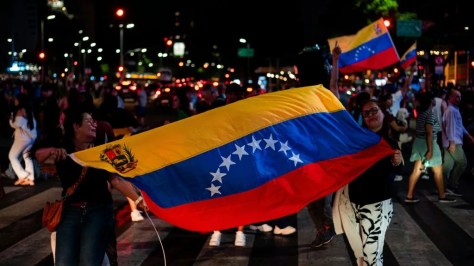
The capture of Nicolás Maduro has exposed the limits of Ankara’s performative alliances and the constraints facing middle powers in an increasingly volatile international order.

On January 3, 2026, US special forces carried out a dramatic military operation in Caracas, capturing Venezuelan President Nicolás Maduro and his wife, Cilia Flores, and transporting them to the United States, where they now face federal charges. Dubbed “Operation Absolute Resolve,” the raid represented a US intervention in Latin America on a scale not seen for decades. The Trump administration justified the operation by citing longstanding allegations of Maduro’s involvement in drug trafficking and narco-terrorism, yet the action immediately raised serious questions about national sovereignty, international law, and the unilateral use of force.

For Turkey, however, the episode carried significance that extended well beyond these legal and normative debates. It directly tested a foreign policy relationship that the ruling Justice and Development Party (AKP) has cultivated since 2016, largely through the language of solidarity and shared political grievance. The detention of a leader repeatedly described by President Recep Tayyip Erdoğan as a “brother” forced Ankara to confront the tension between rhetorical alignment and strategic constraint.

From 2016 to the Present: A Relationship Built on “Anti-Coup” Discourse

The failed coup attempt in Turkey in July 2016 marked a decisive turning point in Turkey–Venezuela relations, not simply by deepening bilateral ties but by anchoring them in a shared political narrative. At a moment when many Western leaders responded cautiously to developments in Turkey, Maduro was among the first to call President Erdoğan and express unequivocal support. Turkish Foreign Minister Mevlüt Çavuşoğlu later described this gesture as unforgettable, and it became the symbolic cornerstone of a rapidly expanding relationship. For Ankara, Venezuela was elevated from a distant partner to a political ally within a broader discourse opposing coups, external interference, and what Turkish officials increasingly portrayed as Western double standards.

Over time, this alignment evolved into a distinctly performative partnership. Maduro’s continuous public praise of Erdoğan as a leader who stood with the world’s oppressed helped cultivate an image of ideological affinity that went well beyond conventional diplomacy. Through repeated invocations of “democracy against coups,” the relationship was framed as morally principled and value-driven rather than narrowly transactional. This performative solidarity reinforced the sense of a shared political identity and mutual recognition.

Yet symbolism alone did not fully account for the relationship’s durability. It was accompanied by a set of politically salient economic and strategic ties. In 2017, as many international airlines withdrew from Venezuela, Turkish Airlines became one of the few carriers to initiate flights to Caracas. Turkey also emerged as a supplier for Venezuela’s CLAP food subsidy programme. Bilateral trade peaked in 2018, reaching over $1.1bn. Gold trade, in particular, provided a channel through which actors linked to the Maduro government sought to mitigate the effects of international sanctions, with Turkey importing approximately $900 million worth of Venezuelan gold in 2018. Turkish officials and business groups articulated ambitious trade targets, including aspirations to raise annual trade to $5 billion. These exchanges and intentions were not insignificant, but they fell short of the scale and depth of Turkey’s more developed economic partnerships, providing limited institutional substance to a relationship otherwise driven by political symbolism.

A Fast Break

Maduro’s capture abruptly tested this relationship. Turkish officials characterised the US operation as contrary to international law and warned it could deepen Venezuela’s instability. Notably, however, Ankara stopped short of outright condemnation of the United States or any concrete diplomatic response. The language was measured, cautious, and calibrated to avoid escalation.

This restraint exposed a deeper tension at the core of Turkish foreign policy. AKP elites have long presented themselves as principled opponents of externally imposed regime change, framing this stance as a defining element of Turkey’s international identity. At the same time, relations with the United States remain a central strategic constraint, sharply limiting the scope for sustained solidaristic positioning. Maduro’s detention underscored how quickly partnerships built on rhetorical solidarity can be unsettled when confronted with the realities of hard power.

Turkey’s opposition was quick to seize on this tension. Republican People’s Party leader Özgür Özel recalled President Erdoğan’s post-2016 language of brotherhood towards Maduro, presenting Ankara’s current caution as evidence of an unwillingness to antagonise Donald Trump. The criticism sought to expose a gap between the government’s long-standing anti-coup rhetoric and its restrained response in practice. From the government side, however, Burhanettin Duran, Turkey’s Presidential Director of Communications, pushed back by arguing that foreign policy should be guided by sober state interests rather than emotional or bombastic slogans. The exchange laid bare a familiar fault line in Turkish foreign policy: the recurring tension between principled discourse and pragmatic calculation when external power constraints assert themselves.

The Way Ahead

Overall, Maduro’s capture laid bare Turkey’s difficulty in converting symbolic friendship into sustained solidarity. More broadly, the trajectory of the Turkey–Venezuela relationship illustrates the limits of populist rhetoric in foreign policy, as politically performative alignments tend to give way to pragmatism when power balances shift abruptly. Going forward, the Turkish government is likely to recalibrate its engagement with Venezuela towards a lower-profile, more cautious, and selectively transactional relationship, avoiding overt political identification while preserving limited channels of interaction. In this sense, Ankara’s response to events in Venezuela illustrates how middle powers are compelled to navigate between normative posturing and strategic restraint in an international system increasingly shaped by power asymmetries and sudden geopolitical disruption.
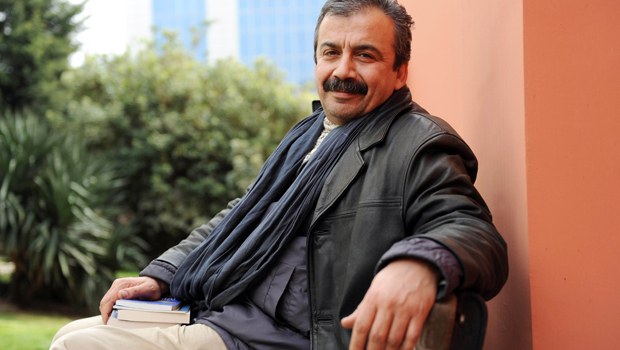
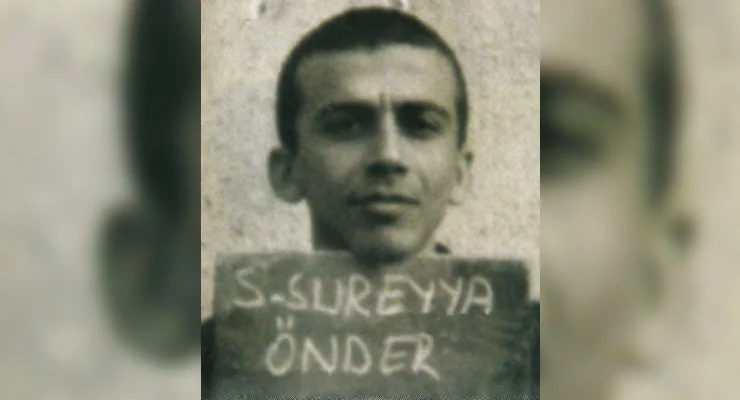
Death of Önder Marks Loss of a Leading Voice for Democracy and Peace in Turkey

Sırrı Süreyya Önder, a strong advocate for democracy and Kurdish rights, gained prominence through his role in Turkey’s pro-Kurdish movement and efforts to mediate peace between the state and the PKK. His death sparked tributes from across the political spectrum, with many praising his commitment to dialogue and peaceful resolution of Turkey’s deep-rooted conflicts.

Sirri Sureyya Önder, a key lawmaker from Turkey’s pro-Kurdish DEM Party and a significant player in the attempts to resolve the long-standing conflict with the Kurdistan Workers’ Party (PKK), passed away on Saturday at the age of 62.

Also a filmmaker and poet, he was a long-standing advocate for Kurdish rights and democratic reform. He came of age during a turbulent period in Turkish history, shaped by the radical leftist movements of the 1960s and 1970s. This era was marked by widespread student activism, labor strikes, and intense violent clashes between left- and right-wing groups.

In 1978, while still a high school student, Önder was arrested for protesting the Maraş Massacre. The massacre, which occurred in the city of Kahramanmaraş, involved a violent assault by ultranationalist militants on the Alevi community, resulting in the deaths of more than 100 people. The incident heightened sectarian tensions across the country. Önder’s early encounter with political violence and state repression would go on to shape his lifelong commitment to justice and democratic principles.

The 1980 coup further interrupted his studies at Ankara University’s Faculty of Political Science, and he spent part of his youth imprisoned in Mamak, Ulucanlar, and Haymana Prisons under the repressive conditions of military rule.

Önder first gained national recognition through his contributions to cinema in the early 2000s, wherein his films frequently examined themes of social justice, marginalization, and political memory. However, it was during the peace process of the 2010s that he emerged as a known advocate for democracy and peace. Apart from his quest to contribute to the Kurdish peace process, he was also extensively acknowledged for his involvement in the Gezi Park protests, during which he took a bold stance against the park’s destruction which was reflected in an iconic video in which he proclaimed, “I am also the deputy of the trees. “

His more than decade-long role in the Kurdish peace process stands as one of the most significant aspects of his legacy. In March 2013, at the Newroz (Kurdish New Year) celebrations in Diyarbakır, he publicly read out Öcalan’s call for a ceasefire, relaying the PKK leader’s message of a “silence of weapons” to a massive crowd.

When this peace process collapsed in 2015/2016, authorities lifted the parliamentary immunity of numerous HDP lawmakers, including Önder, and launched a sweeping crackdown. Ironically, Önder’s 2013 Newroz speech, delivered as part of a state-approved peace effort, was later used to charge him with “terrorist propaganda.” Despite urging reconciliation, he was sentenced in 2018 to 3 years and 6 months in prison. In 2019, the Constitutional Court ruled his conviction violated his freedom of expression, recognizing his speech as peaceful and part of the resolution process. He was released that, reaffirming his commitment to peace.

He was part of the renewed peace process

Just in the previous weeks, he participated in a DEM Party delegation that met with imprisoned PKK leader Abdullah Öcalan, as well as President Recep Tayyip Erdoğan, to seek a restart of negotiations and pave the way for a new peace process.

His death came at a delicate moment for Turkish politics, as hopes for a renewed peace initiative had been cautiously rekindled after years of escalating violence and political polarization. The conflict between the Turkish state and the PKK, which began in 1984, has claimed over 40,000 lives.

Tributes poured in from across the political spectrum, with many hailing Onder’s efforts to bridge divides and seek a non-violent solution to one of Turkey’s most entrenched conflicts. “He dedicated his life to peace, dialogue, and justice,” the DEM Party said in a statement. “His voice will be deeply missed at a time when it is needed most.”

Global Protests Erupt Over Arrest of Istanbul Mayor Ekrem İmamoğlu

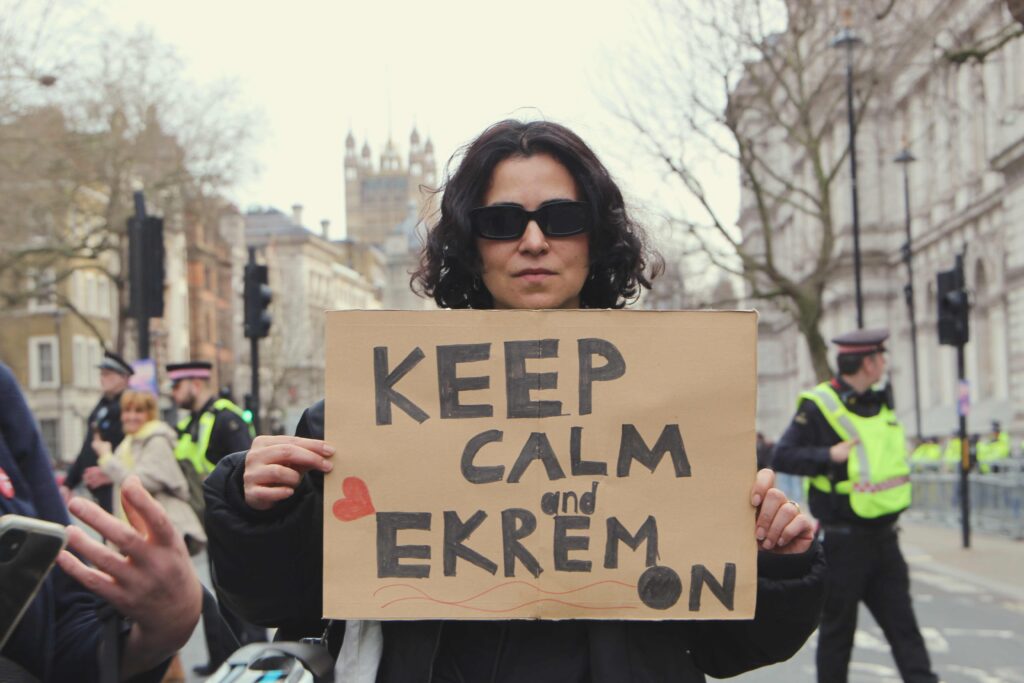
The arrest of Istanbul’s popular opposition mayor, Ekrem İmamoğlu, has sparked a wave of mass mobilisations not only across Turkey but also in major cities around the world. This post from Equality Justice Women Platform shares some reflections from a solidarity protest in London, showing that the demonstrations reflect the “spirit of Gezi,” uniting people across political divides and generations.

Begum Zorlu

After the arrest of Istanbul’s charismatic opposition mayor, Ekrem Imamoglu, Turkey has encountered escalating unrest*. Significant protests have arisen in cities such as Istanbul, Ankara, and İzmir, where thousands have gathered in public spaces to show solidarity and oppose a growing authoritarian regime. These demonstrators have encountered police violence and arrests, while the government has imposed multiple restrictions on social media and largely ignored the protests in state-controlled media. Over 1,000 protesters, as well as journalists and writers, have been arrested.

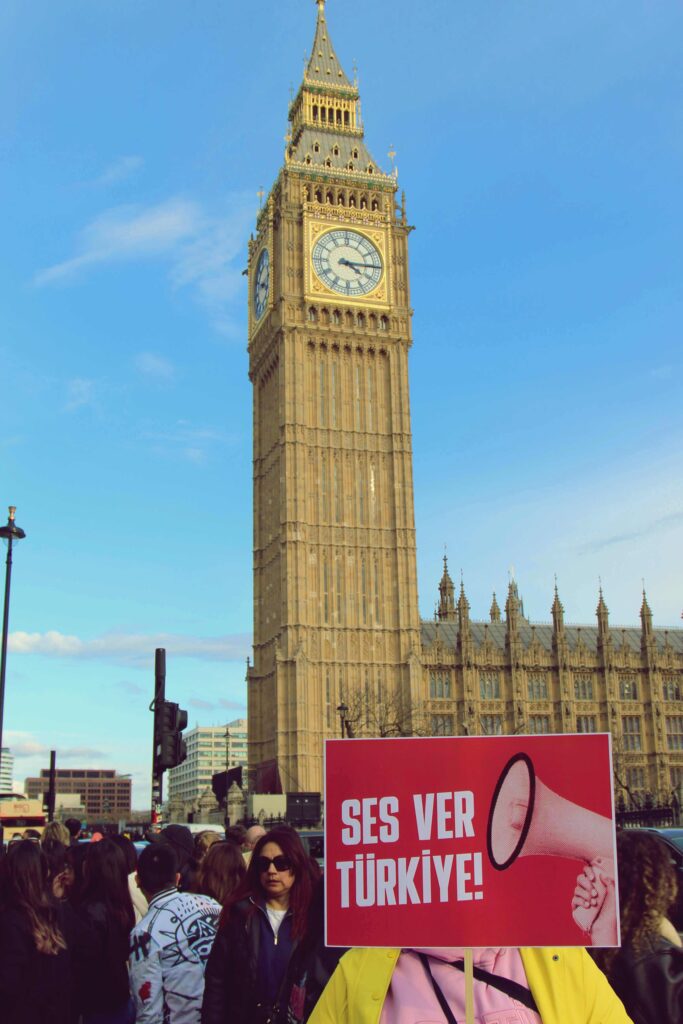
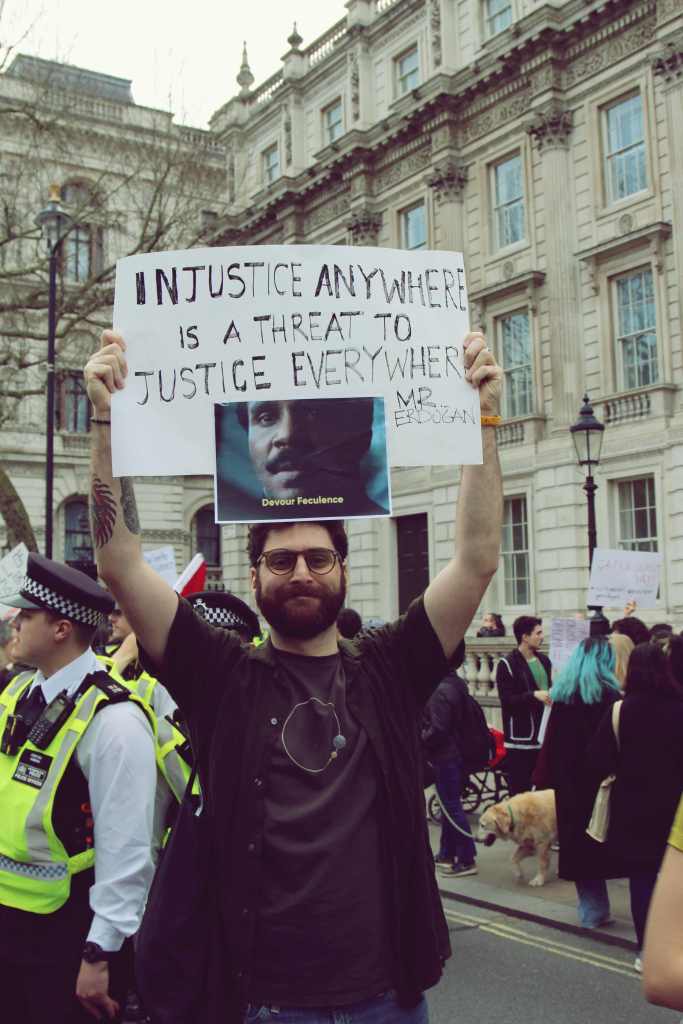
While repression grew in Turkey, the mobilisation has gained international momentum, leading to major protests in Western cities such as Berlin, Brussels, London, New York, and Amsterdam. I attended the demonstration in London this saturday, where over a thousand people gathered in Trafalgar Square and later marched towards Parliament Square.

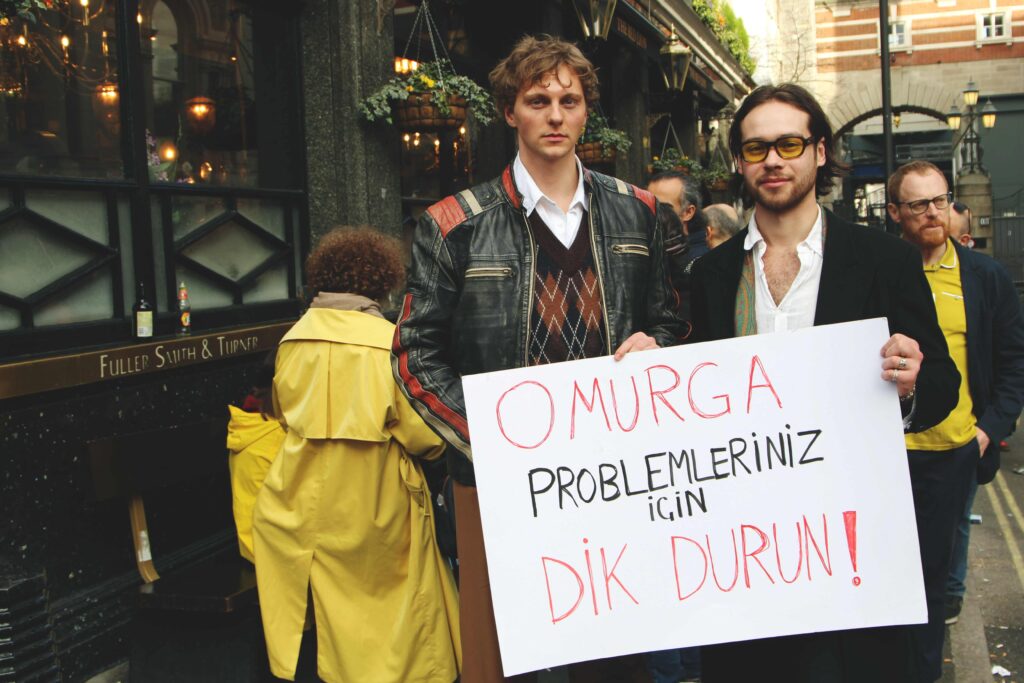
A range of organised leftist groups, Kurdish and Alevi organisations, stood alongside students and independent participants to express their solidarity. A symbolic primary election ballot box was also set up in the square, allowing attendees to cast their votes for Ekrem İmamoğlu as the CHP’s (Republican People’s Party) presidential candidate.

What stood out in this mobilisation was its deliberate evocation of the slogans and spirit of the Gezi Park Protests. Protesters made repeated references to the 2013 demonstrations, which began as a defence of a public park in central Istanbul but quickly evolved into a mass uprising against police brutality and the increasingly authoritarian direction of the AKP government. Twelve years on, Turkey has regressed even further, with the state consolidating control over key institutions, facilitating increased repression of popular opposition figures.

As democratic backsliding in Turkey deepened, maintaining protest movements that brought together diverse political groups became increasingly challenging—especially as the Kurdish opposition had been heavily criminalised, and the mainstream opposition often hesitated to publicly associate with them. In this context, the unity of multiple groups evoked strong parallels with the Gezi Movement, when a broad coalition of social actors was able to unite around shared demands.

At the protests in London, there was a strong presence of students and young people. Many remarked that they had been “too young” to take part in the Gezi movement, having grown up under the only political reality they’ve ever known, the current regime. Slogans such as “this is just the beginning, the struggle will continue,” which had become emblematic during Gezi, were once again at the heart of the gathering.

The the memory of that earlier social movement was strongly felt in the square, shaping the atmosphere and lending historical dynamism to the protest. It provided a broader framework through which to interpret the attempted criminalisation of Ekrem İmamoğlu as part of a wider struggle for justice, democracy, and resistance in Turkey. It also highlighted the need for diverse opposition groups to unite against authoritarianism.

*It is important to underline that just a day before the arrest, Istanbul University annulled the diploma of İmamoğlu, effectively blocking his presidential nomination. In Turkey, to be a presidential candidate, a university degree is needed.

Is Turkey starting another peace process with the PKK?

The conflict between the PKK and the Turkish state, one of the longest-running insurgencies in the Middle East. Last week, Abdullah Öcalan, the leader of the PKK, has called for the group’s dissolution, asserting that its mission is now obsolete. Is a new door to peace being opened? This post argues that while there is room for cautious optimism, questions remain like compliance, responses of the ruling coalition, and the future of militants abroad.

“I am making a call for the laying down of arms”—these words from imprisoned Kurdistan Workers’ Party (PKK) leader Abdullah Öcalan represent yet another critical juncture in Turkey’s recent history to solve its long ongoing Kurdish question.

By urging the PKK to dissolve after decades of insurgency, Öcalan’s remarks opened the door to the formation of a new peace initiative, yet there is still vast uncertainty. Will the fighters comply? Will the government re-escalate the conflict and repression? How will the dynamics in the broader Middle East shape the process? It can be said that Turkey’s recent “peace process” remains a puzzle to many of the followers and agents of Turkish politics.

When the talks of a peace process were raised, I witnessed two young Kurdish women in London discussing it with scepticism. “I don’t want to hear about another peace process. I remember what happened the last time they talked about peace,” one of them said. She was referring to the large-scale contention that erupted in 2015 when the peace negotiations between the PKK and the Turkish government collapsed. That failure triggered a violent escalation, resulting in mass casualties and intense urban warfare.

The breakdown occurred in the context of changing regional dynamics related to the Syrian civil war and political shifts after the June 2015 elections, when Erdoğan’s Justice and Development Party (AKP) lost its parliamentary majority for the first time since 2002, leading to a coalition with the far-right Nationalist Movement Party (MHP). Since the failure of this process, Turkey has experienced significant democratic decline, with increased restrictions on media and civil society, institutional control and widespread detention of opposition figures, journalists, and politicians.

The collapse followed the Solution Process” (2013–2015), a peace effort that initially raised hopes for resolving the decades-long Kurdish conflict but ultimately unravelled amid mutual distrust and regional developments. This optimism was symbolised by PKK leader Abdullah Öcalan’s historic 2013 Newroz message, delivered from prison, calling for a ceasefire and a democratic resolution. The process involved direct negotiations between Turkish intelligence officials and PKK leadership, public acknowledgment of the Kurdish issue by then-Prime Minister Erdoğan, and constitutional reforms recognising Kurdish cultural rights.

However, the peace efforts collapsed due to several factors: Turkey’s reluctance to grant political autonomy, the PKK’s unwillingness to fully disarm, the spillover effects of the Syrian civil war, and domestic political pressures on both sides. Meanwhile, as the peace process deteriorated, the YPG (People’s Protection Units) emerged as the primary US ground partner against Islamic State in Syria—a development Turkey viewed as an existential threat, given the YPG’s organisational ties to the PKK. This further complicated Turkey’s regional position and hardened its stance against Kurdish political aspirations, both domestically and across its borders.

The new process a decade later

Is the process different this time? The current initiative emerged out of the blue when MHP leader and government ally Devlet Bahçeli proposed that Öcalan should address parliament to announce his organisation’s dissolution. Bahçeli’s proposal in late October suggested Öcalan might “benefit from a right to hope” by publicly announcing the end of the PKK’s insurgency. This represented a remarkable departure from the MHP’s longstanding position, which had previously advocated Öcalan’s execution and rejected any form of dialogue with the PKK. These initial steps paved the way for a series of meetings between Öcalan and pro-Kurdish Peoples’ Equality and Democracy (DEM) Party representatives.

Later, in his statement delivered through the DEM Party delegation, Öcalan called the PKK to lay down arms and dissolve itself. Rather than articulating specific demands, he gave considerable attention to a historical analysis of the PKK’s formation, placing its emergence within the context of Cold War dynamics and the systematic suppression of democratic channels. The statement’s strategic omission of concrete demands introduced an ambiguity, potentially to enhance its acceptance across distinct political groups.

The road ahead

What the following steps are is unclear from Öcalan’s statement. With the PKK announcing a ceasefire, the ball is now in the court of the ruling coalition. During the previous process, there were hopes that a momentum for peace would lead to democratisation through increased political participation. While the statement emphasises this need, in reality, there is great suspicion.

Journalists, politicians, and civil society activists are constantly under threat in today’s Turkey. Nine DEM Party mayors have been dismissed on terrorism-related allegations and replaced with government trustees. One of Turkey’s popular journalists, Nevşin Mengü, was sentenced to prison for interviewing ex-PYD leader Salih Muslim; many others are behind bars. Istanbul Mayor İmamoğlu and several other CHP (Republican People’s Party) district mayors have also faced arrests or various forms of repression, including criminal indictments.

So why is the Turkish government enabling this process while intensifying authoritarianism?

One theory suggests Erdoğan seeks DEM Party support to secure his presidency as he lacks a supermajority to be re-elected. It is visible that Erdoğan is seeking to expand his influence by recruiting opposition figures, as seen with Serap Yazıcı, a law professor and Future Party founding member who recently joined his party. This is because to run for president again, he either needs an early election or a constitutional amendment removing term limits. However, DEM Party has shown no indication of supporting him.

Furthermore, Erdoğan’s political strategy is shaped around establishing himself as a crucial figure in resolving regional and global crises. Just as he positions himself as the key mediator in the Ukraine- Russia conflict, particularly through his role in facilitating the grain deal, Erdogan seeks to reinforce the narrative that only he can resolve such complex challenges. A peace deal could form part of a wider strategy to stabilise Syria’s geopolitical landscape and amplify his role as a strong leader.

Similarly, it can be argued that the timing, coinciding with developments in Syria, is not coincidental. Turkey is seeking to weaken the influence of the Syrian Democratic Forces (SDF), a coalition primarily led by the People’s Protection Units (YPG), during Syria’s ongoing transition. While the YPG asserts its independence from the PKK, both groups embrace Öcalan’s ideology and share historical convergence. Turkey has continually refused to accept their distinction, which has paved the way to legitimise its military actions in SDF-held territories in Syria. The extent to which a peace process with the PKK might shift Turkey’s stance on the group remains unclear. Figures like Salih Muslim and SDF commander Mazloum Abdi welcomed Öcalan’s PKK’s disarmament call positively while underlining their autonomy. A more hopeful outlook can suggest that an agreement with the PKK could greatly reduce security tensions between Turkey and the SDF, marking an important step towards regional stability.

Overall, there are significant challenges regarding PKK fighters’ and Öcalan’s fate along with government commitment. Consequently, while the call for peace is a positive development, it is marked by uncertainty. Support from international actors can make this process stronger. European states, notably Germany, have echoed the CHP’s call for a parliament-led process, representing a promising diplomatic engagement. However, as issues like the transition of former combatants to civilian life remain unclear, especially with the opposition’s historical resistance to Kurdish cultural rights, it is for certain that the peace attempt will remain a deeply contentious issue.

*This article has been published at PSA Blog.

**Photos: Begum Zorlu, Istanbul

#SaveRahaf: Bir Kadının Özgürlük Mücadelesi ve Küresel Dayanışma

Geçen haftalarda Türkiye basınında çok yer almayan, ancak hem kadın hakları mücadelesi hem de baskı, şiddet ve savaştan kaçanlar için önemli bir olay yaşandı. 2000 doğumlu, henüz 18 yaşında olan Suudi Arabistan vatandaşı Rahaf Muhammed el-Kanun, ailesinden kaçmak için Kuveyt’ten bilet alarak Tayland üzerinden Avustralya’ya gitmeyi planladı. Önceden ülkesinden kaçan bazı kadınlar gibi o da Avustralya’ya iltica etmeyi hedefliyordu.

Ancak Bangkok Havalimanı’nda durduruldu ve pasaportuna Suudi Arabistanlı ve Kuveytli yetkililer tarafından el konuldu. Taylandlı yetkililerin, Rahaf’ı Kuveyt Havayolları temsilcilerine teslim edeceğinden korkuluyordu. Rahaf, hem ailesinin istismarına uğradığı hem de Müslümanlıktan çıktığı için ülkesine geri dönmek istemiyordu; öldürülme tehlikesi olduğunu söylüyordu. Kararlıydı.

Sosyal Medya Çağrısı ve #SaveRahaf Kampanyası


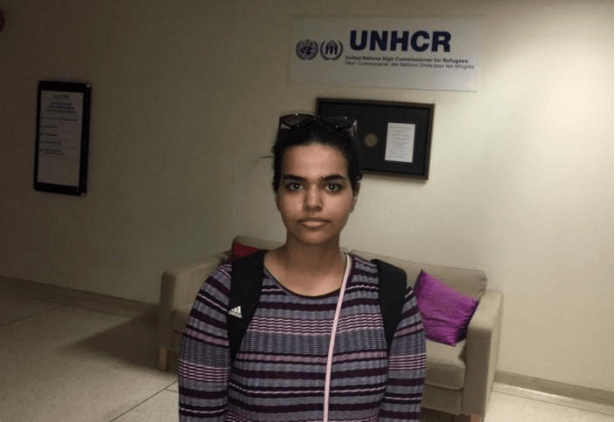
Pasaportu alınan Rahaf, kendini havaalanındaki otel odasına kilitledi ve Twitter üzerinden “Beni Kurtarın” mesajını paylaştı. Yüzlerce kişi bu çağrıya yanıt verdi, uluslararası bir kampanya başlattı. #SaveRahaf etiketi kısa sürede gündem oldu. Gazeteciler ve aktivistler Bangkok Havalimanı’na giderek onu destekledi.

Birleşmiş Milletler Mülteciler Yüksek Komiserliği’nin (UNHCR) geri gönderme ilkesi gereği, yaşamı tehdit altında olan sığınmacılar ülkelerine iade edilmiyor. İnsan hakları avukatı Nadthasiri Bergman, Rahaf’ın sınır dışı edilmesini engellemek için dava açtı; ancak Bangkok Ceza Mahkemesi “yeterli kanıt olmadığı” gerekçesiyle bu talebi reddetti.

Dayanışma ve BM’nin Müdahalesi


Rahaf’a en büyük desteği, mülteci hakları haberleriyle tanınan gazeteci Sophie McNeil verdi. Sophie, Rahaf’ın sesini dünyaya duyurmak için videolar çekti, sosyal medyada bilgilendirme yaptı ve BM yetkilileri gelene kadar onun otel odasında yanında bekledi.

20 saat sonra BM yetkilileri Rahaf ile görüştü. Babası ve abisinin de Bangkok’a geldiği haberini alan Rahaf, bu durumdan endişelenerek BM’nin kararını bekledi. Üç günlük bekleyişin ardından Rahaf’a mülteci statüsü verildi.

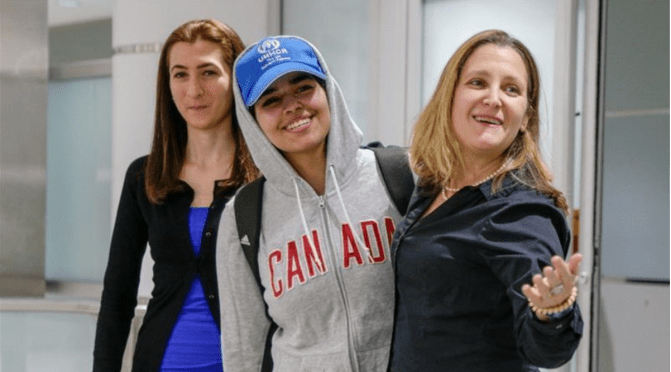
Rahaf, Kanada’ya yerleştirileceğini öğrendiğinde uçaktan attığı tweet ile “nefes aldığını” söyledi. Kanada’ya ulaştığında onu Kanada Dışişleri Bakanı Chrystia Freeland karşıladı ve “çok cesur yeni bir Kanadalı” olarak tanımladı. Rahaf, Kanada’da yaptığı ilk açıklamalarda “Dünyadaki kadınların özgürlüğünü desteklemek için çalışacağım” dedi.

Suudi Arabistan ve Kadın Hakları


Suudi Arabistan, kadın haklarının en kısıtlı olduğu ülkelerden biri. Erkekler, kadın akrabaları üzerinde karar verme yetkisine sahip. İnsan Hakları İzleme Örgütü (Human Rights Watch raporu) Suudi kadınların “ahlaki” suçlamalarla yargılanabildiğini, aileleri tarafından namus cinayeti tehdidi altında olduğunu belirtiyor.

Ayrıca Suudi erkekler, bir hükümet sitesi üzerinden kadın akrabalarının seyahatlerini kontrol edebiliyor, hatta uçuş yaptıklarında SMS bildirimi alabiliyorlar.

Benzer bir olayda, Dina Ali Lasloom adlı 24 yaşındaki bir kadın, zorla evlendirilmekten kaçarken Filipinler’de yakalanıp Suudi Arabistan’a iade edildi. Akıbeti bilinmiyor.

Kanada ve Suudi Arabistan İlişkileri


Kanada’nın Rahaf’ı kabul etmesi, iki ülke arasındaki gerilimi artırdı. Daha önce Kanada, Suudi Arabistan’daki insan hakları ihlallerini eleştirmiş ve aktivistlerin serbest bırakılmasını talep etmişti. Bu durum, Suudi Arabistan’ın Kanada büyükelçisini sınır dışı etmesine ve ticari ilişkileri kesmesine yol açmıştı.

Rahaf’ın İlham Veren Mesajı
Rahaf, sosyal medya üzerinden dayanışma çağrısı yaptı:

“Suudi Arabistan’da yaşasaydım hayallerimi gerçekleştiremeyecektim. Buraya gelerek adeta yeniden doğdum.”

Onun hikâyesi, özgürlük arayışındaki pek çok kadına ilham kaynağı olmaya devam ediyor.