Alexandria Ocasio-Cortez: ABD’de Başka Türlü Siyaset

cortez

Bu yazı Eşitlik, Adalet, Kadın Platformu için yazılmıştır.

Orjinal linke erişmek için tıklayınız.

Alexandria Ocasio-Cortez, ABD’de, partilerin Temsilciler Meclisi[i]için New York eyaletinde yapılan ön seçimde, 10 dönemdir görevde olan ve bir kez daha Demokrat Parti’den aday olan Joe Crowley’i yenilgiye uğrattı. Bu elbette kolay bir zafer değildi. Ocasio-Cortez, tanıtım videosunda kendisininkine benzer bir geçmişe sahip kadınların aday olmadığının, olamadığının altını çiziyordu. Kendisi ve çevresi hem yapısal hem de finansal sorunlarla boğuşuyordu. Özellikle ekonomik kriz, onu ve onun gibileri uzun mesailere, gittikçe kötüleşen sağlık ve konut düzeninemahkum etmişti. Temsiliyet aynı kalırken neden hiçbir şey değişmiyordu ve dahası neden kötüleşiyordu? Siyasetçi ve halk arasındaki uçurumun gittikçe derinleşmesinin sebebi neydi? Siyasi başarı neden finansal güce göre şekilleniyordu?

Ocasio-Cortez’in sorduğu bu soruların cevabı birçok yanıyla yanlış şekillenmiş bir sistemdi ve çözüm öneresi ise, bu sistemi değiştirmek için onun gibilerin temsilci seçilmesiydi. Çünkü sadece onun gibi olanlar, yani halkın içinden gelenler, bu sorunları ciddiyetle ele alabilirdi.

Işın Eliçin’in Medyascope’daki yazısında belirttiği gibi Porto Riko’lu bir annenin ve Bronx doğumlu bir babanın kızı olan Ocasio-Cortez, Boston Üniversitesi’nden ekonomi ve uluslararası ilişkiler alanlarında dereceler aldı. 2011’de babasını kaybettikten sonra annesi temizlikçi ve otobüs şoförü olarak çalışırken, Ocasio-Cortez de garsonluk ve barmenlik yaparak annesine destek oluyordu. Mücadelesini perçinleyen bu geçmişi kampanyası süresince sık sık vurgulamaktan geri durmadı.

Ocasio-Cortez seçim kampanyasının önemli bir kısmını Crowley’nin kurumsal bağlantılarını eleştirerek yürüttü. Geleneksel siyasetçiler uzak mahallelerde ve halktan kopuk bir şekilde yaşıyordu ve bu, onun için kabul edilemezdi. O ise şimdi başka bir siyaset anlayışı ile seçilmişti ve ‘aşağıdan’ bir siyaset yürüteceğini söylüyordu.

Kormann-OcasioVictory

Ocasio-Cortez,ABD’nin olağan siyasetine alternatif sunan vaatler ile seçim çalışmasını yürüttü. Bunların arasında Amerika Birleşik Devletleri Göçmenlik ve Gümrük Muhafaza Kuruluşu’nu (ICE) kaldırmak, herkese ücretsiz sağlık hizmeti sunmak, asgari ücreti arttırmak, devlet okullarında eğitimi ücretsiz hale getirmek, federal iş güvencesi sağlamak, adli adalet sisteminde reform yapmak ve “Yeşil Yeni Sözleşme” ile 2035 yılına kadar yüzde yüz yenilenebilir enerjiye geçiş ve iklim değişikliği uyumunu sağlayacak politikalara öncelik verilmesi vardı.

“Ahlaki bir duruş sergilemekte radikal bir şey yoktur”

Amerika Birleşik Devletleri’nde sosyalist-radikal görüşlerin çoğunlukla yarattığı olumsuz algıya karşı Ocasio-Cortez sloganını “Ahlaki bir duruş sergilemekte radikal bir şey yoktur” olarak belirledi.  Seçim sürecinde kullandığı “Tüm demokratlar aynı değil” söylemi de, partinin kurumsallaşmış yapısı ve adaylarına karşı bir başkaldırı niteliğindeydi. Cortez, aday olmadan önce yerel siyasette aktif olsa da taban ile aktif bir biçimde çalışmaya 2016 yılında Demokratların başkan aday adayı Bernie Sanders’ın kampanyası ile başlamıştı. Kampanya sürecinde partinin geleneksel ve ilerici kanatları arasındaki gerilim açığa çıkmış, Wikileaks tarafından açığa çıkarılan ve parti ileri gelenlerinin aşağılayıcı sözlerinin yer aldığı ifadelerden dolayı, başkan adayı Sanders’dan özür dilemişti.

Amerikan Demokratik Sosyalistleri (DSA) üyesi olan Ocasio-Cortez’in başarısı aynı zamanda Demokrat partinin “ilerici” kanadının güçlenmesi ve adaylığı süresince gerçekleşen mobilizasyon sosyalizmin ana akımlaşması olarak da yorumlandı. Bunun somut bir örneği ise örgütlenme sürecinde yer alan bir aktivistin, “Bu hafta her gün bir gösterideydim. Sosyalizm artık insanların gururla taşıdıkları bir etiket” demesiydi.

Kadınlar Siyasete Girdiğinde Kadınlar İçin Çalışıyor

Ocasio-Cortez Cumhuriyetçi adayı yenerse, Kongre’ye giren en genç kadın olacak.

Sarah Kliff, Ocasio-Cortez’in seçilmesinden sonra yayınladığı yazısında, akademik çalışmalara referans vererek, kadınların erkeklerden farklı olarak sosyal tutumları değiştirecek şekilde siyaset yaptığının altını çiziyor. Yazara göre siyasete giren kadın sayısı arttığında, düşünüldüğünden çok daha fazla değişiklik oluyor. Kadın milletvekillerinin, hem erkek vekillere nazaran daha fazla yasa çıkardıklarını, hem de özellikle kadınlara fayda sağlayan yasalara yoğunlaştıklarını da belirtiyor. Kadın vekiller seçildikleri bölgeye daha fazla finansal kaynak ayırarak daha fazla değişime ön ayak oluyor. Ayrıca daha fazla kadın vekilin varlığı toplumun kadınlara yönelik algısını ve genç kadınların kendilerini görme biçimlerini önemli ölçüde değiştiriyor. Bu yüzden yazar,tabandan siyaseti öne çıkarttığı ve vaatlerinden ötürü Ocasio-Cortez’in kadınlar için önemli kazanımlar getirebileceğini söylüyor.

Trump Karşıtı Dalga ve Başka Bir Siyaset

Geçtiğimiz sene ABD’nin Charlottesville kentinde, beyazların üstünlüğünü savunanların gösterisi sonrası ırkçılık karşıtı bir aktivistin öldürülmesi, ülkede artan kutuplaşmanın önemli bir göstergesi haline gelmişti. Bunun yanı sıra, Başkan Trump’ın Britain First (Önce Britanya) isimli İngiliz bir ırkçı grubu retweetlemesi ve Charlottesville’deki olayda ırkçıları kınamayıp, iki grubu eşitlemesi de gerginliği arttırmıştı. İçinde Cumhuriyetçi senatörlerin de bulunduğu bir grup, Trump’ın olaylar sonrasında yaptığı açıklamasında beyazların üstünlüğünü savunan ırkçılardan bahsetmemesine tepki göstermişti.

Trump sadece kendi ülkesini kutuplaştırmıyor, bir yandan da yönetimi küresel ısınmayı ve diğer devletlerle iş birliği yapmayı reddeden agresif bir dış politika ve özellikle son haftalarda odakları üzerine çeken zalim ve ayrımcı bir göç politikası uyguluyordu. Bu otoriter politikalara karşı,son zamanda açığa çıkan (ya da büyüyen) üç sosyal hareket ABD’de hem yapısal hem de mevcut siyasi akla karşı ciddi direniş gösterdi. Biri “Yaşamlarımız İçin Yürüyüş” hareketiydi ve okul katliamından sağ kurtulan öğrenciler tarafından örgütleniyordu. Bu hareket Emma Gonzalez gibi genç kadınlar tarafından büyütüldü ve özellikle kalabalıklara yaptıkları etkileyici demeçlerle kitleler bir araya getirildi. Bir ikinci hareket ise devam etmekte olan ve güçlenen, “Siyah Yaşamları Önemlidir” (Black Lives Matter) hareketiydi. 2013 yılından itibaren ABD’deki siyah topluluklara devlet tarafından uygulanan şiddete müdahale etmek üzerine kapsayıcı bir hareket olarak kurulmuştu ve aktif olarak örgütlenmeye devam ediyordu. Üçüncüsü “Kadınların Yürüyüşü” olarak örgütlenen ve Trump’ın seçilmesinden bu yana güçlenen kadın dayanışmasıydı.

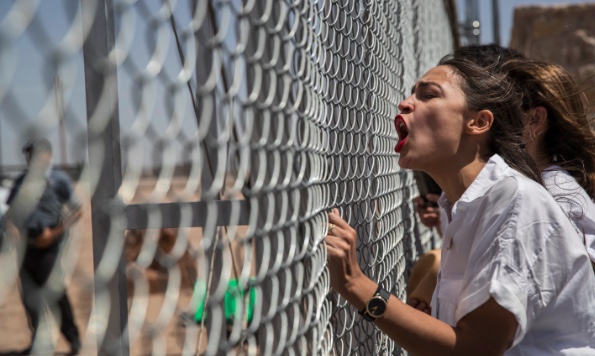
Bu hareketler elbette birbirinden bağımsız değildi. Sloganları ve eylem yöntemleri birbirlerine benziyordu. Son ayda, Trump’ın “sıfır hoşgörü”politikası bağlamında, Meksika sınırından ülkeye girmeye çalışan göçmenlerin gözaltına alınıp, çocukların ailelerinden koparılarak kamplara konulmasına karşı ciddi bir mobilizasyon gerçekleşti. Bu hareketlerin temsilcileri ve taraftarları da, bu “insanlık dışı”olan duruma karşı bir arada durdu ve hem sınırda hem de sokaklarda eylem gerçekleştirdiler. 29 Haziran’da gerçekleşen eyleme damgasını vuran olay Susan Sarandon hakkındaki gözaltı kararı olsa da aslında Twitter hesabından yazdığı #Kadınlarbaşkaldırın etiketi hareketlerin birlikteliğinin ve ortaklığının göstergesi oldu.

Bu yüzden Ocasio-Cortez’in başarısını ve yaratacağı değişimi anlamak için sosyal hareketlerin altını çizmek gerekiyor. Çünkü ülkede otoriterleşmeye karşı önemli bir direniş var ve Ocasio-Cortez’in alternatif söylemi hem sosyal hareketlerden hem de bu politikalara karşı ortaya çıkan tepkiden beslendi ve beslenmeye devam ediyor.Kendisi debu hareketlerin çağrılarına paralel bir şekilde kampanya yürütüyor.

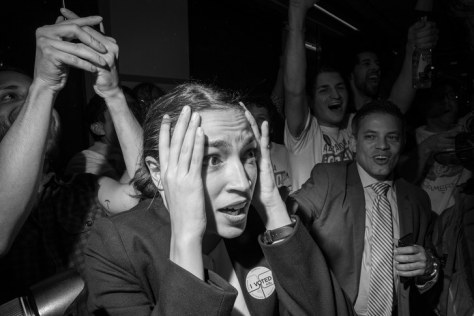
Fotoğraf: Jennifer Mason                                                                                                                               Ocasio-Cortez, kazandığını öğrendiği andaki yüz ifadesi, şaşkınlığı ve samimiyeti de çok konuşulan noktalardan biriydi. Bir bar masasının üstüne çıkarak yaptığı zafer konuşmasında dayanışmayı ve umudu vurguladı.Onun kazanmasının birçok açıdan sembolik önemi vardı. Kampanya süresinde sorduğu bu sorular, önerdiği cevaplar, samimiyeti ve aşağıdan, sokak sokak gezerek yaptığı çalışma ise ona zaferi getirdi.

Bundan sonrasını beraber takip edeceğiz.

[i]ABD Temsilciler Meclisi, Amerika Birleşik Devletleri Kongresi’nin alt meclisi; Senato ise üst meclistir. İkisi birlikte Amerika Birleşik Devletleri’nin yasama organlarını oluştururlar.

** (e.n.) David Remnick’in bu yazıdan sonra yayımlanan  “Alexandria Ocasio-Cortez’s Historic Win and the Future of the Democratic Party” isimli yazısına buradan ulaşabilirsiniz.
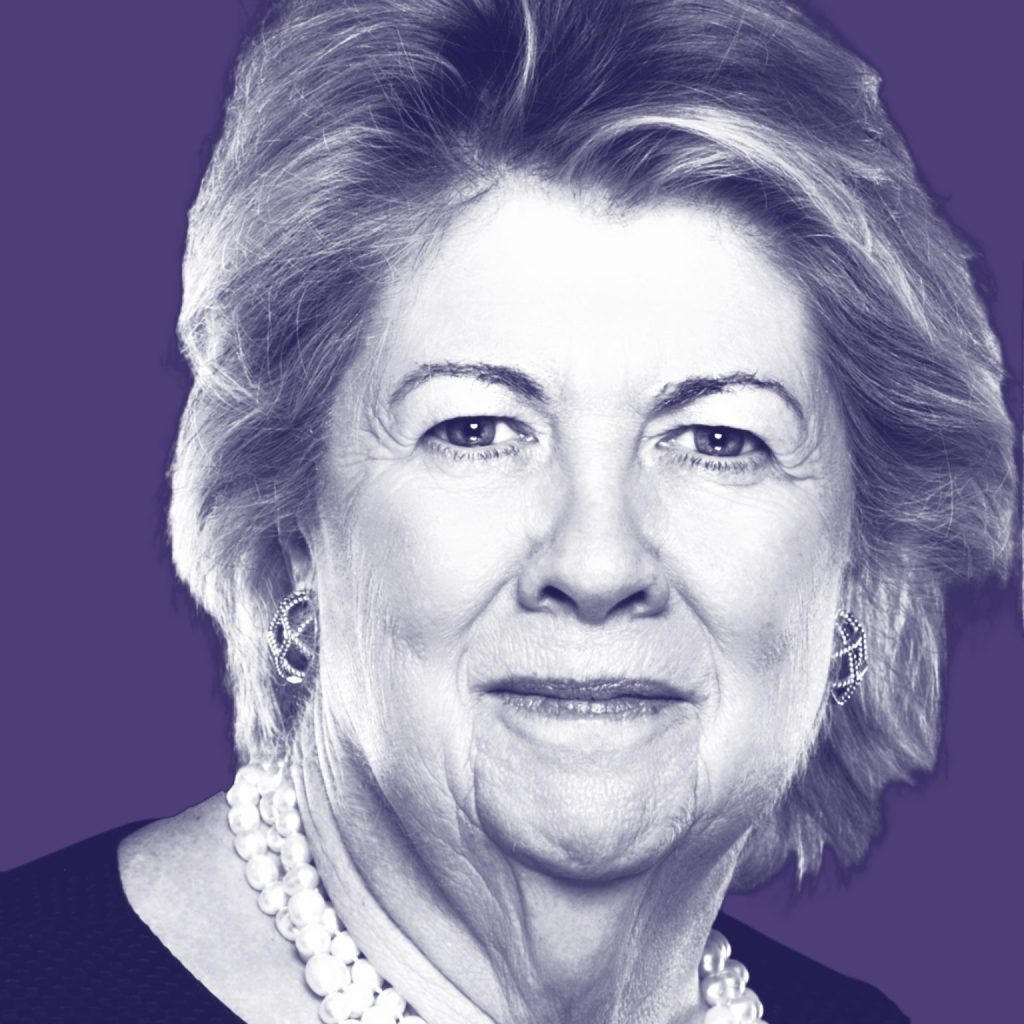
 

Building Transnational Solidarity: A Conversation with Baroness Goudie

An interview with Baroness Mary Goudie on her political journey and international women’s solidarity.

Baroness Goudie has been a Labour peer since 1998 and an advocate for the rights of women and children. Her work focuses on promoting gender equality, women’s rights and peacebuilding globally. Among her many accomplishments and affiliations, she is an advisory board member for the London School of Economics – Centre for Women, Peace and Security and an advisor to the Georgetown Institute for Women, Peace and Security. She is also a founding member of the 30% Club, which aims to influence chairs to bring more women on to corporate boards. In a moment when there is a need to build further solidarity in the face of the challenges encountered by women’s rights activism around the globe, we are delighted to have Lady Goudie with us.

We wanted to start our conversation with your experiences in entering politics and your role in local government. How was it like to be a woman working in Brent Council? In your biography, it is stated that in 1971, you became the youngest woman elected to Brent Borough Council. Your activism included Campaign for a Housing Aid Centre and a Law Centre. What were the main events of the day back then, and how did these issues correspond with a gender outlook? 

I decided to run for the Council in the 1970s because I have been involved in politics as a young socialist. My parents are Irish; they come from the South. What I learnt from home were equality and inclusion. I was shattered about how, in some parts of the Borough that there was terrible housing. In London at that period, families lived in poor conditions; many of them lived in one room properties. When I joined the Council, I was involved in housing immediately; it became my key issue area. Our Borough also had a high number of cot deaths (the known name for sudden infant syndrome). There were a lot of side issues going on. You had Black riots in Notting Hill, we did have discrimination against Jews as well. It was never quiet. 

These issues continue today, and even though we think we solved them when we get crises like COVID or the financial crises, it takes back some of the advancements that are achieved. Some of the things I did in the Council was housing, getting a new school in the area. I represented and was involved in transferring people from council estates to other estates so those places can be refurbished. These were contentious issues because some people wanted to return as they had families in those areas, but I had a lot of support from my colleagues on this topic. When I joined the Council, there were people from Eastern Europe and Central Europe. A number of people came to Brent, Willesden, Harrow and settled here in North London. It was pretty multicultural at that time as well. It can be said that it made life enjoyable in relation to an all ‘white male situation.’ 

I probably had underlying discrimination, but you always did not pick it up. It is important to remember that in London there was a lot of women out there. I was selected by my ward and the Post Office Union which was a male-dominated union. I had their support, and they were protective in a very nice way. In terms of reflecting on experiences there might have been cases when some would say things like ‘oh would you know what to do the meeting.’ I would reply stating that I knew what I was doing. There could be instances of patronising behaviour, but it wasn’t habit. One of the things that I had to put up was being attacked for what I believe in. I also had one of my children while I was in the Council. My parents and husband were also very supportive as well. The doors were open for me in my house, you had to work hard but they did not say ‘women does or does not do that’ or ‘you have to get married.’ When you come from a family with openness, you can find ways to struggle for improving things.  

Secondly, I wanted to ask a broad question on how your work in the House of Lords has been instrumental in promoting the women’s agenda. How has your role in transnational bodies and as the All-Party Parliamentary Equality Group’s vice-chair created an impact?   

I use my position in the House of Lords as a global role. I was privileged to join Vital Voices as it came out from the White House in the late 90s. This was a time when I was just starting with the House of Lords. I was also doing work in Northern Ireland voluntarily. I have met many people from Vital Voices and people like Monica McWilliams on the ground. I saw that the House of Lords appointment and privilege was that you could make a change. I have worked in the local government, I have worked a lot in the Labour Party to make it electable, I focused on respect, human and women’s rights. When I came to the House of Lords, I aimed to use the empowerment that was given to me towards change. We have to work on the Gender Gap and have more women on boards, both domestically and globally. We have to have respect for women globally, which is still not reached. Of course, in the UK, we had the Equal Pay Act, and for that, I would recommend the film Made in Dagenham. Everything was not perfect, but you had role models to look up to, like the women in trade unions. You also had some women who did not want to deal with women’s issues. I decided to ignore that because it would make me barmy. Of course, you were hurt by that attitude from some of your colleagues but also across the divide. You have to find a way to rise from that and get on with the issue. Some people asked me questions like ‘why are you staying for this debate’, yet it mattered for me to stay. Some people think that we have made it, no we haven’t. We cannot make it without the others and safeguarding it for future generations.  

The Conventions were also an important part of this process. The Convention on Human Trafficking, the conventions in Ireland and how people were treated in prison were some of the issues needed to be taken on. If we only ratify agreements and do not take them on, nothing will happen. Getting the Convention on Human Trafficking, both the UN Convention and Council of Europe’s Convention, was a crucial step as they were very strong. Also, this was a cross-government issue, so it was essential to get support at the ministerial level and at the cabinet-level to make those changes. Otherwise, they would not happen. 

Could you tell us a bit more on your Northern Ireland experiences ? The Good Friday Agreement was possible with the leadership of Labour. Were you involved in the peace process or the aftermath? 

I was involved early on and then I became the patron of the Community Foundation for Northern Ireland. At that time it’s responsibility apart from working with groups on the ground was the cohesive fund from the European Commission. One of the primary goals of the Community Foundation was to ensure that the money is spent properly. I worked with them over 15 years until there was a change when things calmed in Northern Ireland. By working there we were able to bring the government, the minister of Northern Ireland, whoever the junior ministers were, civil servants, pupils on the ground and have meeting with them on a regular basis. The Labour government and the American involvement that continued made it possible to work on crucial issues. We were able to bring people to the table and this was important because if you can’t have any peace if everyone’s not round the table. If you don’t keep on talking there won’t be any change.  

We would like to ask you a question about Vital Voices as our founder is a fellow of the organisation. In your role you have been involved in training community and business leaders and parliamentarians on social and political issues around the world. Can you tell us what Vital Voices does and how it builds transnational solidarity? 

When I was invited to join the Global Vital Voices, it had just come out of the White House. It is one of the few organisations that came out from the White House to survive different administrations. It had great leadership since its inception. Hillary Clinton has always been there in the background. Alice Nelson who is the director and the founder, she was with us from the beginning. They had a great board from the start with great leadership. The idea of training women was the best thing they did. I went to South Africa, Eastern Europe, Jordan, Turkey and ensured to set up Vital Voices chapter in Poland and in other parts of the World.  

The training was crucial and that work has spearheaded other organisations. The chapters of the organisation give support to each other. The network is key. The network is always there. You can always go to Vital Voices. The impact of the network is very difficult to measure with a metric.  

Lastly, as you are aware, there is a struggle rising against Turkey’s withdrawal from the Istanbul Convention and other right-wing governments throughout the world. We wanted to ask you how you think the international community can support women’s movements in light of these recent developments? How can transnational advocacy that seeks to address these issues be stronger and more successful?   

Our government has put pressure on the Turkish Government. Other world leaders can also pressure in G-7 and D-10. I cannot understand why they are so afraid of women in power. Why can’t they understand that we are 50 percent of the population and are entitled to our rights? I believe it is a measure of insecurity. We know that advancements like this hurt women and can ruin their lives forever.  

The women’s movement can build closer links to the global G-20, G-7 and the D-10 and that is why with the 30% Club we have decided to use this link in the chapters that we have formed. We thought that once these meetings came up, we can put pressure on those states, similarly to the Women’s Forum for Economic Stability based in Paris. When Obama was president of the G-7, he was able to push the access to finance for women. This work has been carried out for some time before him, but that happened under his leadership. It takes courage to put forward these agendas in the same way William Hague as the foreign minister with Clinton took forward the women at the peace table, sexual violence in conflict and got that signed in the UN. Besides the work in the background, it is about having senior people to take it forward.  

Begüm Zorlu

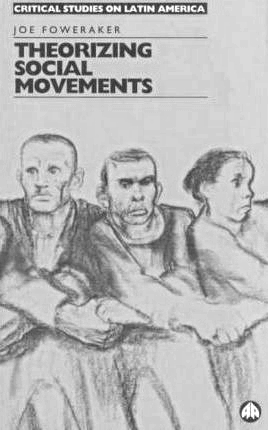
Book Review: Theorizing Social Movements

9780745307145

Joe Foweraker’s book Theorizing Social Movements is a compelling introduction to social movement theories and how they relate to a certain region in the world which in this case in Latin America.

About the Author 

As his page in Oxford University demonstrates, Foweraker has been leading research on democracy and social movements with a focus on Latin America. He edited Encyclopedia of Democratic Thought and a co-authored  Governing Latin America. His current research deploys classical democratic theory to analyze the nature of Latin American democracy. His latest book is Democracy and its Discontents in Latin America.

Protesting the Death of Tahir Elçi

Tahir Elçi, a celebrated human rights lawyer and activist promoting peace, was killed in Diyarbakir after a gun battle between the police and unidentified shooters.

He was issuing a press statement, calling out for an end to violence between the Turkish state and the PKK (Kurdistan Workers’ Party) when he was shot dead. He was 49 years old.

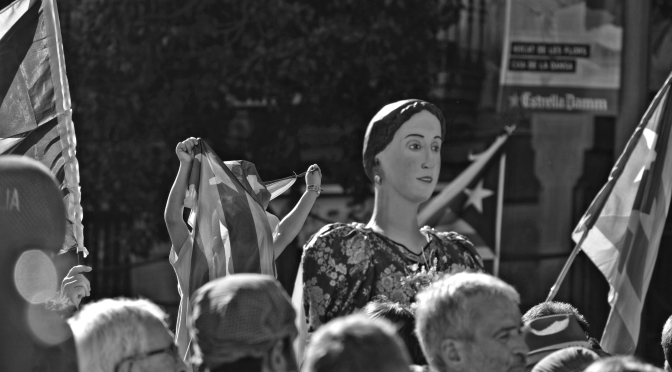
Masses gathered after hearing the news of his death in Istanbul by organising a vigil at Istiklal Street.

It can be said that the vigil happened spontaneously as over the years Istiklal Street became the main venue to protest injustice.

His death incited anger as he was an advocate for peace and reconciliation.

Almost everyone who knew him stated that “he was a good man that helped everyone around him.”

The protestors held photos of Elci and stayed in silence to commemorate him, then chanted slogans to express their outrage.

The following slogans were chanted: “Murderer State”, “You can’t kill us all”, “Şehîd Namirin” which means martyrs never die in Kurdish.

The police tried to disperse the crowd by driving armoured vehicles towards them and fired water cannons.

Yet the crowds remained.

It was a sad day for peace in Turkey.

It was a sad day.

Testimonies: Remembering Hrant Dink

Screen Shot 2018-01-18 at 14.44.04

Jonathan Fryer had defined Hrant Dink in his obituary in the Guardian as “a warm, sensitive man, who would greet an old friend with a bear hug…”

He notes how Hrant Dink experienced harassment and threats, what Dink names and Fryer records as “psychological torture.”

Screen Shot 2018-01-18 at 14.44.25.png

Fryer further reflects on Dink’s words: “I am just like a pigeon, obsessively looking to my left and to my right, in front of me and behind me.”

This quote is remembered every year, transferred to generations.

I learned about Dink by joining these protests.

I knew little of him when I first joined and over the years got to know what he stood for and what he did.

Younger people are also learning about him by accompanying their families, friends or just turning up after hearing about this unjust death.

Screen Shot 2018-01-18 at 14.44.41

Being there makes one aware of the networks of solidarity and gives the feeling that one is not alone to stand up to injustices.

Thousands march to commemorate this sincere writer who was killed due to the predominance of hate, institutional hate.

Yet the hate that is maintained in institutions is being countered by the masses, with solidarity and objection.

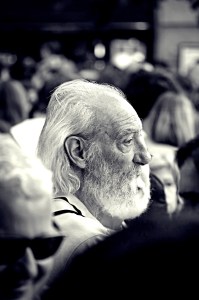
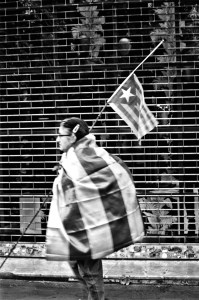
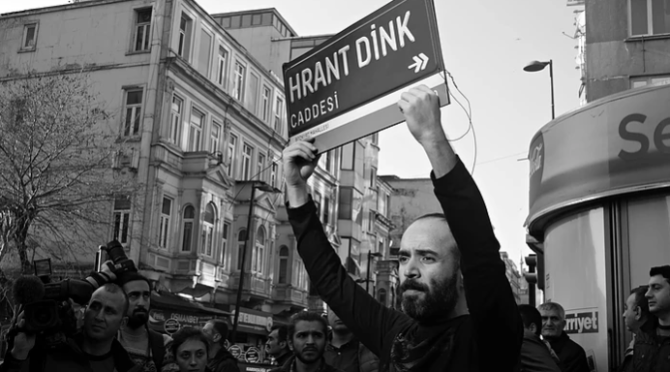
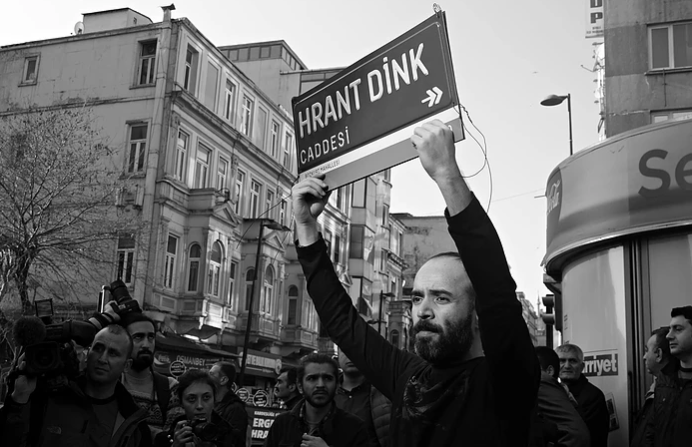
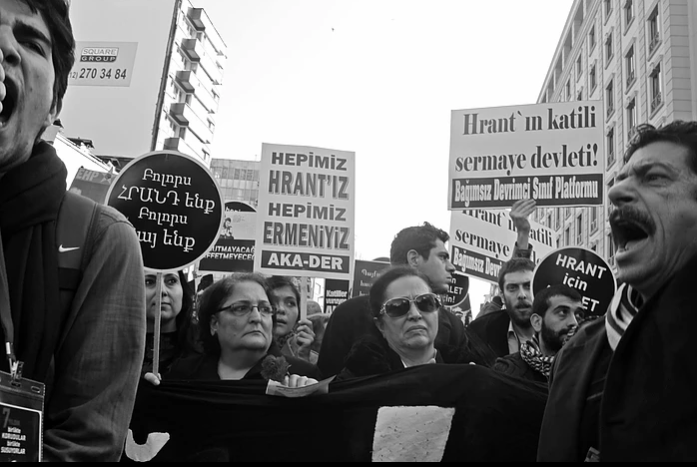
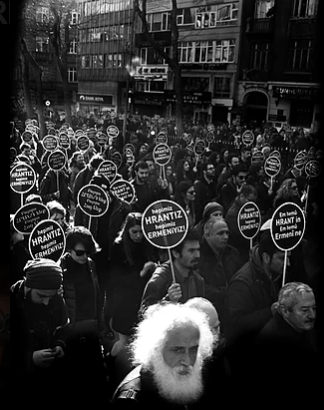
These photos were taken on the 19th of January, 2015.

This is the day that the Armenian journalist Hrant Dink was killed eight years ago.

The march again was commemorating the life that had a lot to give, experience and was lost in an unjust and sudden way.

Hrant Dink has become a symbol of peace for many, every year thousands remember him and chant “Never Again”, “We are here!”


Articles and Sources on Hrant Dink

Hrag Vartanian (2006). A Voice in the Wilderness http://web.archive.org/web/20071119043902/http://agbu.org/publications/article.asp?A_ID=271&image=4

Hrant Dink Foundation https://hrantdink.org/en/hrant-dink

Section from his book “Two close peoples two distant Neighbours” https://hrantdink.org/attachments/article/109/TwoClosedpeopleTwoDistantNeighbours.pdf


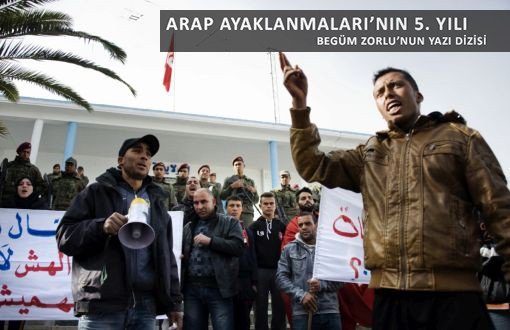
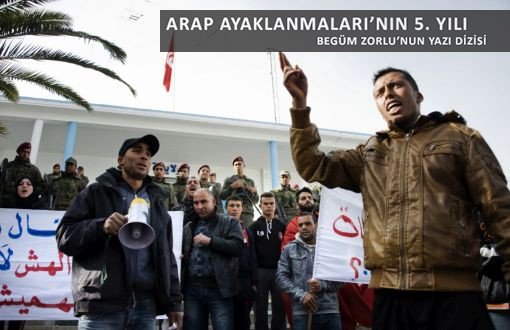
Bianet Yazı Dizisi- Arap Ayaklanmalarının Beşinci Yılı

tunus_510

Alıntı: Arap Ayaklanmaları Yazı Dizisine Başlarken 

‘2011’de değişim için yürüyen kitleler ekmek ve adalet için sokaklara dökülmüştü. Bu yüzden 2011’in hedeflerinden 2016’nın hayal kırıklıklarına ve umuduna uzanan yolculukta bu coğrafyanın insanlarının sesini duyurmaya çalıştık’.

 Serinin Yazıları

Mete Çubukçu Ayaklanmaların 5 Yılını Anlattı

Arap Ayaklanmaları’nın 5. Yılı: Kronoloji

Yedi Ülkede Arap Ayaklanmaları’nın Dünü Bugünü

Mısır’da Her Şey Mümkündü; Buraya Nasıl Geldik?

“Ulusal Mutabakat Sağlanmadan Mısır Halkı Güvende Olmayacaktır”

“Mısır, İran Devrimi Gibi Kendi Değerlerinden Döndü”

Amerikalı Bir Gazetecinin Ortadoğu Güncesi

Beş Yıl Sonra Ayaklanmanın Başladığı Tunus’ta 

 Arap Devrimleri ve Suriye: Beş Yıl Sonra 

Suriye Devrimi’nin Yaratıcı Hafızası

“Görmüyor musun Ben Vatanımı Kaybettim?”

Mısır Devrimi’nin Sesi Essam’ın Hikayesi: “Çalınan Bahar”

Can Ertuna’nın Gözünden Arap İsyanları

Seri için tıklayın.

Voices From Egypt After the Military Coup: A Quest For National Consensus

490-330
This is an extract of the POMEAS (Project on the Middle East After the Arab Spring) interview.
Mahmoud Makade, a resident of Cairo and the general secretary of Tomorrows Youth Liberal Organization answers our questions about the Egyptian uprising of 2011 and the path that re- created an elevated form of authoritarianism in the country.
 
To start off from an individual point of view, how can you describe the uprising, were you part of the movement then, how was the first mobilization setting off from the streets of Cairo?
I was the general secretary of Tomorrows Youth Liberal Organization since 2010 he was a university student in Cairo. For us the demonstrations did not start in 2011. We prepared for protesting before 2010, with the 6th of April movement. There were also people in support of different figures, Muslim
Brotherhood, socialists. There were various active political groups before the revolution. They were preparing huge protest for reforms in 14 January 2011.
When Bin Ali ran away from Tunisia and we heard about the Jasmine revolution impatience rose in Egypt. We were ready to ask for more. So we felt that we had the power at 25 th of January to march. We made banners in public areas around Cairo trying to ask people to make a demonstration against Hosni Mubarak.
We were surprised because we didn’t accept this turnout.
So why do you think they joined the protest, then?
First, in the last ten years there was a certain date for protesting in squares with a demand. This started with 9 th of April 2003 when American invaded Iraq. It was the first time when Egyptian people protested against the regime. This was the first time after 1952 they started to chant against the head of government.
Then what happened in 2004 remained crucial. The Kefaya- كفاية (Enough) movement said no for extension and no for heritability. There was a new opening in 2005 when Ayman Nour was a candidate of the Liberal Party against Hosni Mubarak. But the conclusion was the fraud elections and then they
arrested him for 5 years.
6 April Movement was one of the most important social protests but still, it was not massive. So, 25 January came like a carnival for us. It was a result of the struggling of almost 7 years. In 2005 we weren’t more than 200-300 protestors when we were chanting against Hosni Mubarak. In January we were 250 000 in
60 minutes at Tahrir square.
The popular congestion came with the high prices and the non-changing rates of poverty and unemployment. 12 million Egyptians live in the suburbs and they were upset and had enough. So we used these problems against Hosni Mubarak.
We used another technique, which was really important. It was the slums they are not organized by the government. So we tried to communicate with youth groups that are not related to political parties. We used it for football fans and we succeed to communicate with them. Al-Ahly and Al-Zamalek Ultras fans, we
couldn’t have this revolution without them.
The difference from any protests since 2005 to 2011 was that 2005 wasn’t a mass movement. The mass movement made a revolution. What about the influence of workers on the revolution?
The workers have their story with strikes since the 1970s; they had a lot of important strikes since 2010 until the military coup until 2013. The 2013 coup repressed the worker movement like any other movement in Egypt. Between the strikes of the 1980s and now there is a difference. The slogans were different. In
The 1970s there were chanting for democracy and freedom now today they only say functional slogans, not for broader ones. Their outlook is a certain target.
Strikes took place in Mahalla textile workers In Mahalla 2008 they smashed the statue of Hosni Mubarak with their shoes. During the 18 days of the revolution, they used civil disobedience, most of them didn’t go to work.
The Copts have supported the revolution and experienced the military-policy brutality in and in the aftermath of the fall of Mubarak like the Maspero events.
How about their position now with the Sisi government? It is said that the Copts support Sisi. Can you name some of the reasons for this support?
In the Tahrir uprising, the head of the Coptic church Pope Shenouda III told the Christian Egyptians not to join the protests against Hosni Mubarak. The pope was really popular and they really liked him, but the Christian youth kept sharing videos on the Internet that meant ‘we respect the pope we got his orders but we are Egyptian and we have the right of revolution and be against Hosni Mubarak’.
The Christians were one of the main actors of the Egyptian Revolution. Unfortunately, many accidents happened. From the radical Islamists in many cities there were attacks and also they destroyed a church in Cairo. They cut an ear of Christian man. When a Christian governor was elected in Qena they protested in front of his office and because of the protests, the government replaced him. There were speeches from people around Morsi with negative statements.
That is what made them stand by anyone who will topple the Muslim Brotherhood. They didn’t want Muslims to reach authority. Until 1952 there was no difference between Muslims, Jews, Christians. For more than 60 years the military rule they destroyed this togetherness. The huge part of the Muslims in
Egypt sees Christians just as guests and they should leave and I am not kidding they have monsters in church for attacking Muslims.
On the other hand, Christians think that they own Egypt and the Muslims came from Arabia and they forced Egyptian people to convert to Islam and Egypt is a Christian country once the Muslims will leave it will be Coptic again.
The regime of Sisi is playing with fire and is double-faced. It says that it is protecting Copts from Muslim groups but Sisi was arresting people who were eating at Ramadan, at the same time he is arresting Christian people and accusing them that they are Muslim Brotherhood.
What about the popular faces that appeared after Tahrir? Bloggers, alternative media and revolution were an important point of discussion. Where are those people today?
They were a lot of public figures like Yusri Fuda, Moataz Matar, Reem Majid, Basem Yousif who were really speaking with the voice of the revolution. These voices are silent now. Some of them were depressed, felt helpless and they saw their selves like they did something wrong they are disappointed that the
revolution ended like this. Some left Egypt, some are in Turkey, some are banned on TV.
In Morsi era the media-revolution relations were different. He tried to push the public figures and make them close circles but he didn’t arrest them and put a censor on them but the Sisi regime is doing it directly. He is doing it directly to the public figures not to show their ideas.
What were the new parties that were born from the movement of the revolution and were crucial for the movement itself?
I think the most important one was ‘No to Military Trials for Civilians’. University students like Mona Seif led it. She was a 19-year- old student now in the jail for 3 years. They charged her with the protest law.
A lot of feminist groups started since the revolution and it was very important for women. The problem of the movements was that they didn’t work well together that is why we are seeing this picture now.
Most of them lay on the ground in front of the tank or depressed in their home or dead or prison in his cell. Some of the parties who showed up in the revolution led by businessman Naguib Sawiris and also Amr Musa today they are today pro Sisi.
We know that under the Sisi regime not only Muslim Brotherhood but also people from different groups are arrested like fans, students what kind of organizations do they come from what are they sentenced for?
What is happening in Egypt now is arresting anyone who is trying to think, anyone with creative ideas from every part of the society. It can be said that it was the same in the 1952 military coup. There is a resemblance between the eras. They prepare the charge before each one is arrested with no investigation.
When they judge someone they put the label the terrorist organization.
The regime is judging with terror even pro Sisi people are getting arrested. So in your opinion would there still be a coup no matter who governed like if there wasn’t an Islamist government would there still be a coup? I think that who ever controlling Egypt after the revolution would have the same faith. It wouldn’t matter if it is leftist liberal Islamism. But Morsi made mistakes with rebels and the national coalition. The Egyptian revolution made this coup easier.
On the other hand Morsi trusted Sisi, which turned out to be one of his main mistakes. When Morsi made the ministries he was thinking Sisi agreed with theMuslim Brotherhood. He was saying that the Muslim Brotherhood Sisi made Islam entering the Egyptian army.
In this atmosphere is there a place for free jurisdiction?
In 11 February 2011 our problem was the police till killing arresting and torturing us. Before, we trusted the army and courts more or less. Today we don’t trust anyone nor the court and the army and it is a huge problem that Egypt faces.
After the coup the trust between the people army and court is over. I don’t know where it will take us for sure there are honest judges but the problem is the system itself. Judges working in the Mubarak regime are still in power. The stability of all our ministries was necessary for a victory. So it was clear that the
revolution was not finished in Egypt we need independence of judges we need to have main government organizations to change army and police.
Political activity in Egypt stopped at 3 July we do protests sometimes we try to protest and invite people to continue the revolution each time we protest the government arrests most of our group.
The vice president of our organization was shot by a gun when he was protesting he is still in the hospital. The Egyptian government attacked our main office and throw our stuff at the street now they are pushing us not to open office again. The political is linked with the economy there is no economic development without
democracy there is no democracy without freedom there is no freedom without being safe and there is no safety for Egyptians before national consensus. For that there has to be unity among Egyptian people, there has to be transitional justice.
Sisi after the 2nd of June 2013 became a main part of the problem, the only solution is him leaving. Sisi is trying to calm the people down but there will be a spark that will start an explosion. Maybe this explosion will be kind of a hunger revolution and I hope that won’t happen as a hunger revolution with high
consequences. Or maybe this explosion will be the national consensus between the rebel parties that was separated in the Egyptian revolution.
There are millions who adore Sisi but every day he loses support. That was clear when he was candidate people didn’t go to box. Every political, economic, social failure feeds the unpopularity. The problems increased after the revolution but in Sisi time it got worse. He said that he would build building units for people in the slums, but nothing. The economic situation will destroy Sisi because it is not
sustainable. All the rebels are arrested and there are more than 40 000 political prisoners, the government here doesn’t build houses but jails.
So as a last word national consensus is a must. This was our mistake in the revolution. This is what we will try to reach first.