Category Archives: TURKEY

Strategic Silence: The West and Turkey’s Authoritarian Turn

While local politicians across Europe have spoken out against the imprisonment of Istanbul Mayor Ekrem İmamoğlu and the broader trend of democratic backsliding in Turkey, national leaders have largely remained silent, preferring to maintain ongoing cooperation with Ankara.
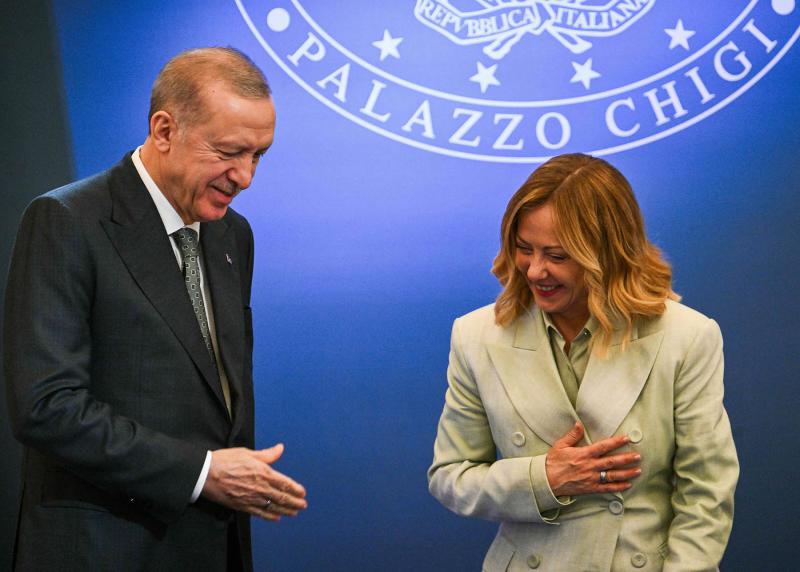
Photo: AFP

More than 50 days have passed since the arrest of Istanbul’s popular mayor, Ekrem İmamoğlu. Following his historic victory in the 2019 Istanbul mayoral election, İmamoğlu, a member of the Republican People’s Party (CHP), has become one of the strongest challengers to President Recep Tayyip Erdoğan’s political dominance. His victory not only marked the end of Erdoğan’s Justice and Development Party (AKP) ‘s decades-long control over Istanbul but also represented a larger quest for democratic reform. In light of his growing popularity, İmamoğlu has faced persistent political and legal pressure, which many perceived as part of a broader strategy to marginalise opposition voices.

In March 2025, İmamoğlu was finally arrested on multiple charges, including corruption and alleged connections to the Kurdistan Workers’ Party (PKK). This came just days before the CHP was set to nominate him as its candidate for the 2028 presidential elections. At the same time, Istanbul University revoked his degree, a constitutional requirement for presidential candidates. The arrest led to widespread protests in major Turkish cities, while over 100 CHP-affiliated officials, municipal employees, and thousands of students and protestors were also arrested.

Civil society and local governments in Europe have raised their voices against this new authoritarian step taken by the AKP government. In an unprecedented show of solidarity, dozens of European mayors and municipal leaders have issued joint statements and videos condemning the arrest. The declarations called for İmamoğlu’s immediate release and urged European institutions to take urgent action to defend democratic freedoms in Turkey.

The Council of Europe labelled the arrest politically driven and a danger to democracy. The Parliamentary Assembly of the Council of Europe called for his swift release, the dismissal of charges, the reinstatement of his degree, and an end to the repression against the protesters. The Congress of Local and Regional Authorities similarly condemned the arrest, describing it as an assault on political pluralism and the will of Istanbul’s electorate.

While the Council of Europe, some European politicians, members of the European Parliament, and local actors actively mobilised against the Turkish government’s authoritarian actions, political leaders in key Western nations remained notably restrained. A relative exception was German Chancellor Scholz, who explicitly condemned İmamoğlu’s detention, deeming it a setback for democratic principles and calling on political elites to cease politically motivated prosecutions. France also, through its Foreign Ministry, issued a public statement framing it as a threat to democracy. Yet overall, European leaders’ reactions were often muted or limited to generic expressions of concern, lacking the urgency, action, and clarity needed.

As the nationwide protests against the arrest began, followed by harsh crackdowns from security forces, CHP leader Özgür Özel expressed his disappointment with Europe’s weak political reaction, specifically highlighting that the silence from Keir Starmer and the British Labour Party is “really hard to understand.” This sentiment was intensified by issues surrounding press freedom and digital censorship, such as the deportation of Mark Lowen, a BBC journalist covering the protests. At the same time, platform X (formerly Twitter) was reported to be blocking opposition accounts in Turkey. Despite the alarming increase in repression, UK officials and some other European states have not issued any significant high-level response to the situation.

Erdoğan Turned Strategic Leverage into Political Immunity

Erdogan’s success in positioning Turkey as a key regional power has significantly altered the West’s response to democratic backsliding within the country. Turkey has become deeply embedded in Europe’s strategic considerations, notably through its role as a mediator and drone technology supplier in Russia’s war on Ukraine. Some commentators have even suggested that Turkish troops could participate in a future Ukraine peacekeeping mission. It has also sold drones to Poland and Croatia. Its role in managing migration, particularly through the 2016 EU-Turkey agreement, is viewed by European leaders as essential to preserving domestic political stability. These dynamics have not silenced Western leaders entirely, but it has produced a clear reluctance to challenge the regime over its authoritarian measures.

Turkish arms companies are increasingly being considered in a more in-depth manner for European defence strategy. Another key example is the emerging partnership between Baykar (the Turkish arms company owned by Erdoğan’s son-in-law) and Italy’s Leonardo. Framed as a “win-win” outcome by Baykar at the Turkey–Italy Summit, the deal marks a significant step toward integrating Turkish defence technology into Europe. The agreement, endorsed politically by Meloni and Erdogan just a month after İmamoğlu’s arrest, outlines joint work on UAVs, using Italian infrastructure as an entry point. This collaboration not only enhances Turkey’s standing but also secures Baykar’s presence in the European market, fostering further defence collaboration with the political regime in Turkey.

In this context, Turkey is emerging as a more self-assured player during uncertainties related to ongoing US support under Trump, and the wars in the Middle East and Ukraine. Erdogan, in particular, has adopted a notably confident tone, casting Turkey as essential to Europe’s future. “It is becoming increasingly impossible for a Europe without Turkey to continue its existence as a global actor,” he asserted, emphasising that “European security without Turkey is unthinkable.” These remarks illustrate a strategic messaging strategy that utilises Turkey’s military importance and growing role in regional diplomacy to seek recognition and influence within Europe’s changing security landscape. Nonetheless, the Turkish regime plans to set the terms of this partnership: while it offers cooperation, it also demands silence on its internal authoritarian practices, resembling the transactional relationships Europe previously had with regimes like Mubarak’s Egypt.

To sum, European reactions reflect strategic interests and security anxieties rather than a solid response to democratic backsliding in Turkey. The case of İmamoğlu exemplifies how pragmatism is here to stay in the West’s relationship with Turkey.

Begum Zorlu is an ESRC research fellow at City St George’s, University of London; Convenor of the PSA Turkish Politics Specialist Group and Content Producer at SES Equality and Justice Platform.

See the article featured at PSA Blog.
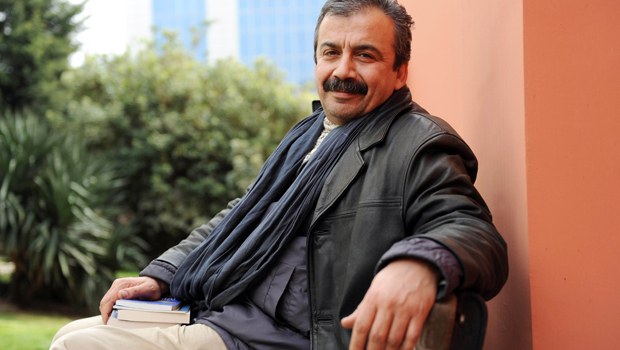
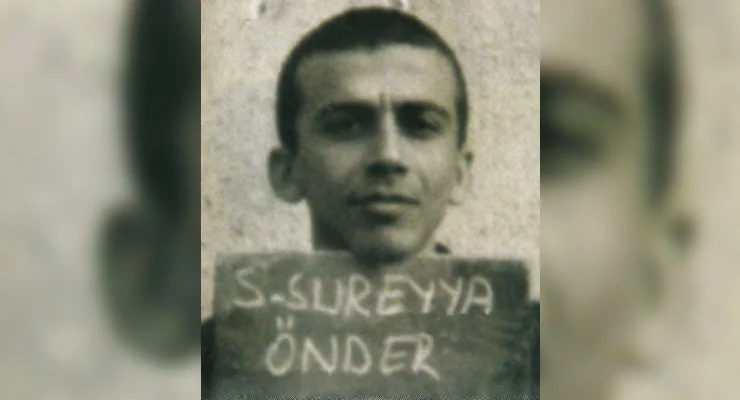
Death of Önder Marks Loss of a Leading Voice for Democracy and Peace in Turkey

Sırrı Süreyya Önder, a strong advocate for democracy and Kurdish rights, gained prominence through his role in Turkey’s pro-Kurdish movement and efforts to mediate peace between the state and the PKK. His death sparked tributes from across the political spectrum, with many praising his commitment to dialogue and peaceful resolution of Turkey’s deep-rooted conflicts.

Sirri Sureyya Önder, a key lawmaker from Turkey’s pro-Kurdish DEM Party and a significant player in the attempts to resolve the long-standing conflict with the Kurdistan Workers’ Party (PKK), passed away on Saturday at the age of 62.

Also a filmmaker and poet, he was a long-standing advocate for Kurdish rights and democratic reform. He came of age during a turbulent period in Turkish history, shaped by the radical leftist movements of the 1960s and 1970s. This era was marked by widespread student activism, labor strikes, and intense violent clashes between left- and right-wing groups.

In 1978, while still a high school student, Önder was arrested for protesting the Maraş Massacre. The massacre, which occurred in the city of Kahramanmaraş, involved a violent assault by ultranationalist militants on the Alevi community, resulting in the deaths of more than 100 people. The incident heightened sectarian tensions across the country. Önder’s early encounter with political violence and state repression would go on to shape his lifelong commitment to justice and democratic principles.

The 1980 coup further interrupted his studies at Ankara University’s Faculty of Political Science, and he spent part of his youth imprisoned in Mamak, Ulucanlar, and Haymana Prisons under the repressive conditions of military rule.

Önder first gained national recognition through his contributions to cinema in the early 2000s, wherein his films frequently examined themes of social justice, marginalization, and political memory. However, it was during the peace process of the 2010s that he emerged as a known advocate for democracy and peace. Apart from his quest to contribute to the Kurdish peace process, he was also extensively acknowledged for his involvement in the Gezi Park protests, during which he took a bold stance against the park’s destruction which was reflected in an iconic video in which he proclaimed, “I am also the deputy of the trees. “

His more than decade-long role in the Kurdish peace process stands as one of the most significant aspects of his legacy. In March 2013, at the Newroz (Kurdish New Year) celebrations in Diyarbakır, he publicly read out Öcalan’s call for a ceasefire, relaying the PKK leader’s message of a “silence of weapons” to a massive crowd.

When this peace process collapsed in 2015/2016, authorities lifted the parliamentary immunity of numerous HDP lawmakers, including Önder, and launched a sweeping crackdown. Ironically, Önder’s 2013 Newroz speech, delivered as part of a state-approved peace effort, was later used to charge him with “terrorist propaganda.” Despite urging reconciliation, he was sentenced in 2018 to 3 years and 6 months in prison. In 2019, the Constitutional Court ruled his conviction violated his freedom of expression, recognizing his speech as peaceful and part of the resolution process. He was released that, reaffirming his commitment to peace.

He was part of the renewed peace process

Just in the previous weeks, he participated in a DEM Party delegation that met with imprisoned PKK leader Abdullah Öcalan, as well as President Recep Tayyip Erdoğan, to seek a restart of negotiations and pave the way for a new peace process.

His death came at a delicate moment for Turkish politics, as hopes for a renewed peace initiative had been cautiously rekindled after years of escalating violence and political polarization. The conflict between the Turkish state and the PKK, which began in 1984, has claimed over 40,000 lives.

Tributes poured in from across the political spectrum, with many hailing Onder’s efforts to bridge divides and seek a non-violent solution to one of Turkey’s most entrenched conflicts. “He dedicated his life to peace, dialogue, and justice,” the DEM Party said in a statement. “His voice will be deeply missed at a time when it is needed most.”

Is Turkey starting another peace process with the PKK?

The conflict between the PKK and the Turkish state, one of the longest-running insurgencies in the Middle East. Last week, Abdullah Öcalan, the leader of the PKK, has called for the group’s dissolution, asserting that its mission is now obsolete. Is a new door to peace being opened? This post argues that while there is room for cautious optimism, questions remain like compliance, responses of the ruling coalition, and the future of militants abroad.

“I am making a call for the laying down of arms”—these words from imprisoned Kurdistan Workers’ Party (PKK) leader Abdullah Öcalan represent yet another critical juncture in Turkey’s recent history to solve its long ongoing Kurdish question.

By urging the PKK to dissolve after decades of insurgency, Öcalan’s remarks opened the door to the formation of a new peace initiative, yet there is still vast uncertainty. Will the fighters comply? Will the government re-escalate the conflict and repression? How will the dynamics in the broader Middle East shape the process? It can be said that Turkey’s recent “peace process” remains a puzzle to many of the followers and agents of Turkish politics.

When the talks of a peace process were raised, I witnessed two young Kurdish women in London discussing it with scepticism. “I don’t want to hear about another peace process. I remember what happened the last time they talked about peace,” one of them said. She was referring to the large-scale contention that erupted in 2015 when the peace negotiations between the PKK and the Turkish government collapsed. That failure triggered a violent escalation, resulting in mass casualties and intense urban warfare.

The breakdown occurred in the context of changing regional dynamics related to the Syrian civil war and political shifts after the June 2015 elections, when Erdoğan’s Justice and Development Party (AKP) lost its parliamentary majority for the first time since 2002, leading to a coalition with the far-right Nationalist Movement Party (MHP). Since the failure of this process, Turkey has experienced significant democratic decline, with increased restrictions on media and civil society, institutional control and widespread detention of opposition figures, journalists, and politicians.

The collapse followed the Solution Process” (2013–2015), a peace effort that initially raised hopes for resolving the decades-long Kurdish conflict but ultimately unravelled amid mutual distrust and regional developments. This optimism was symbolised by PKK leader Abdullah Öcalan’s historic 2013 Newroz message, delivered from prison, calling for a ceasefire and a democratic resolution. The process involved direct negotiations between Turkish intelligence officials and PKK leadership, public acknowledgment of the Kurdish issue by then-Prime Minister Erdoğan, and constitutional reforms recognising Kurdish cultural rights.

However, the peace efforts collapsed due to several factors: Turkey’s reluctance to grant political autonomy, the PKK’s unwillingness to fully disarm, the spillover effects of the Syrian civil war, and domestic political pressures on both sides. Meanwhile, as the peace process deteriorated, the YPG (People’s Protection Units) emerged as the primary US ground partner against Islamic State in Syria—a development Turkey viewed as an existential threat, given the YPG’s organisational ties to the PKK. This further complicated Turkey’s regional position and hardened its stance against Kurdish political aspirations, both domestically and across its borders.

The new process a decade later

Is the process different this time? The current initiative emerged out of the blue when MHP leader and government ally Devlet Bahçeli proposed that Öcalan should address parliament to announce his organisation’s dissolution. Bahçeli’s proposal in late October suggested Öcalan might “benefit from a right to hope” by publicly announcing the end of the PKK’s insurgency. This represented a remarkable departure from the MHP’s longstanding position, which had previously advocated Öcalan’s execution and rejected any form of dialogue with the PKK. These initial steps paved the way for a series of meetings between Öcalan and pro-Kurdish Peoples’ Equality and Democracy (DEM) Party representatives.

Later, in his statement delivered through the DEM Party delegation, Öcalan called the PKK to lay down arms and dissolve itself. Rather than articulating specific demands, he gave considerable attention to a historical analysis of the PKK’s formation, placing its emergence within the context of Cold War dynamics and the systematic suppression of democratic channels. The statement’s strategic omission of concrete demands introduced an ambiguity, potentially to enhance its acceptance across distinct political groups.

The road ahead

What the following steps are is unclear from Öcalan’s statement. With the PKK announcing a ceasefire, the ball is now in the court of the ruling coalition. During the previous process, there were hopes that a momentum for peace would lead to democratisation through increased political participation. While the statement emphasises this need, in reality, there is great suspicion.

Journalists, politicians, and civil society activists are constantly under threat in today’s Turkey. Nine DEM Party mayors have been dismissed on terrorism-related allegations and replaced with government trustees. One of Turkey’s popular journalists, Nevşin Mengü, was sentenced to prison for interviewing ex-PYD leader Salih Muslim; many others are behind bars. Istanbul Mayor İmamoğlu and several other CHP (Republican People’s Party) district mayors have also faced arrests or various forms of repression, including criminal indictments.

So why is the Turkish government enabling this process while intensifying authoritarianism?

One theory suggests Erdoğan seeks DEM Party support to secure his presidency as he lacks a supermajority to be re-elected. It is visible that Erdoğan is seeking to expand his influence by recruiting opposition figures, as seen with Serap Yazıcı, a law professor and Future Party founding member who recently joined his party. This is because to run for president again, he either needs an early election or a constitutional amendment removing term limits. However, DEM Party has shown no indication of supporting him.

Furthermore, Erdoğan’s political strategy is shaped around establishing himself as a crucial figure in resolving regional and global crises. Just as he positions himself as the key mediator in the Ukraine- Russia conflict, particularly through his role in facilitating the grain deal, Erdogan seeks to reinforce the narrative that only he can resolve such complex challenges. A peace deal could form part of a wider strategy to stabilise Syria’s geopolitical landscape and amplify his role as a strong leader.

Similarly, it can be argued that the timing, coinciding with developments in Syria, is not coincidental. Turkey is seeking to weaken the influence of the Syrian Democratic Forces (SDF), a coalition primarily led by the People’s Protection Units (YPG), during Syria’s ongoing transition. While the YPG asserts its independence from the PKK, both groups embrace Öcalan’s ideology and share historical convergence. Turkey has continually refused to accept their distinction, which has paved the way to legitimise its military actions in SDF-held territories in Syria. The extent to which a peace process with the PKK might shift Turkey’s stance on the group remains unclear. Figures like Salih Muslim and SDF commander Mazloum Abdi welcomed Öcalan’s PKK’s disarmament call positively while underlining their autonomy. A more hopeful outlook can suggest that an agreement with the PKK could greatly reduce security tensions between Turkey and the SDF, marking an important step towards regional stability.

Overall, there are significant challenges regarding PKK fighters’ and Öcalan’s fate along with government commitment. Consequently, while the call for peace is a positive development, it is marked by uncertainty. Support from international actors can make this process stronger. European states, notably Germany, have echoed the CHP’s call for a parliament-led process, representing a promising diplomatic engagement. However, as issues like the transition of former combatants to civilian life remain unclear, especially with the opposition’s historical resistance to Kurdish cultural rights, it is for certain that the peace attempt will remain a deeply contentious issue.

*This article has been published at PSA Blog.

**Photos: Begum Zorlu, Istanbul

Understanding the 2023 Turkish Elections

Photo: Begum Zorlu (Istanbul)

After an unfair electoral cycle, Turkey’s incumbent Recep Tayyip Erdoğan secured another term as the president of Turkey. How can we make sense of Erdoğan’s victory considering deteriorating economic conditions, increasing authoritarianism, and the mismanagement of the humanitarian response after the devastating earthquakes? What does the future hold for Turkey ? Some of my comments appeared in the news section on City, University of London’s website to answer this question. Here are some detailed comments below.

The Opposition Faced Repression and a Smear Campaign

Since the failed coup attempt in 2016, repression against the political opposition has steadily increased in Turkey. Therefore, it is not a surprise to hear opposition leader Kılıçdaroğlu labelling the contest as the “most unfair election in recent years”, arguing that all the means of the state were mobilised for the ruling party. Apart from establishing control over key institutions, Erdoğan and his party systematically used fabricated videos and slanders to frame the opposition as an advocate of terrorism. Many members of the pro-Kurdish opposition party HDP, including the former co-leader Selahattin Demirtaş have been imprisoned since 2016. Another charismatic figure, Istanbul’s mayor Ekrem Imamoğlu from the Republican People’s Party was handed a jail sentence and a political ban months before the elections. By eliminating powerful opponents, the incumbent could shape the political terrain of the contest.

There Were Voting Irregularities and Media Bias

Apart from the repression, the election was marked by voting irregularities and media bias. According to the Reporters Without Borders index, Turkey is among the worst twenty countries in the World for press freedom. While critical journalists face multiple barriers, including attacks and arrests, the government has almost total control over state and mainstream private media. Also, many reports of illegal voting and observer intimidation occurred on election day. There were reports of opposition members being beaten and threatened during election monitoring. Yet, followers criticised the inability of opposition parties to address voting irregularities with an assertive voice.

The Ruling Block Obtained a Parliamentary Majority by Enlarging its Coalition

Forming electoral alliances was more beneficial for the incumbent, as it provided its parliamentary majority. Even though the AKP’s vote decreased from around 42 per cent to 35, the party was able to gain a majority by forming a solid alliance (referred to as the People’s Alliance) with the Nationalist Movement Party and two Islamist parties, New Welfare Party and the Free Cause Party. The opposition coalition could not substantively increase its vote as the newly formed parties that joined the bloc by former senior figures of the AKP, Ali Babacan and Ahmet Davutoğlu performed below expectations. Furthermore, during the election process, parties of the opposition also seemed less united than the ruling block. This was most visible during the right-wing Good Party leader Meral Akşener’s contestation of Kilicdaroglu’s candidacy about two months before the election.

The Incumbent Deepened Polarisation and Used Foreign Policy to Claim Competence

The electoral race was marked by increased polarisation and counter-framing, which expanded beyond Turkey’s borders. The dynamics of international politics have impacted the election results as it became a sphere where the AKP could claim competence and success. In a recent PSA Blog post, I reviewed that during their election campaign, the AKP, apart from their populist framing of the opposition as “foreign threats”, praised repeatedly that they could negotiate with both sides in the Russia-Ukraine war and make concrete progress such as the grain corridor initiative and prisoner exchange. While the AKP presented itself as a competent international actor, the political parties that make up the Nation Alliance and Kılıçdaorğlu focused more on domestic issues like Turkey’s economic collapse, democratic backsliding, and justice. The AKP elites were able to frame themselves as peacemakers and have used it to enhance their legitimacy domestically and internationally.

The Road Ahead

The race was profoundly unfair and unbenignant. Turkey’s pressing issue is addressing the coming economic problems as the lira plummeted to a record low yesterday. Apart from concerns about economic collapse, civil society groups and opposition parties argue that another term will worsen human rights abuses, the rule of law, LGBT+ and women’s rights. In his “victory speech,” Erdogan labelled the opposition as “LGBT lovers” and contrasted his position by underlining the importance of “family values.” It is visible that increasing polarisation will be the incumbent’s primary strategy against the political opposition.

In foreign policy, it can be argued that the AKP will maintain its strategic relationship with the West while preserving solid ties with Russia. However, Western leaders were quick to congratulate Erdogan, visible in the German Chancellor’s message stating that he wants them to advance a “common agenda with a fresh impetus!” The opposition forces were upset with the EU’s response to Erdogan’s re-election and underlined that they need to do more to voice rights violations in Turkey.

It is important to note that AKP’s populism at home is shaped by its global contestatory frames contributing to a boundary between us and them. Especially the construction of the other has been vital in justifying the securitisation of the political opposition since the failed coup attempt in Turkey. With another term with Erdogan, Turkey’s assertive and populist policy at home and internationally will further deepen.

Turkey

Turkey Elections

Türkiye

APPROACHING THE TURKISH ELECTIONS WITH A GLOBAL LENS

, posted in psaturkishpolitics.uk

It is official: Turkey’s presidential election will go to a second round. The two candidates, Erdoğan and Kılıçadaroğlu, differ immensely in their domestic politics. What about their foreign policy outlook? Will the opposition candidate promise to break away from Turkey’s assertive foreign policy? How do international dynamics shape this contentious electoral process?

Our co-convenor Begum Zorlu (City, University of London) has written on the role of foreign policy in Turkish elections for the PSA Blog.

When approached with the question: “what’s foreign policy got to do with the Turkish election” one feels the urge to respond: everything. After 20 years in power, and with international spotlight events like the challenging of the Israeli president Shimon Peres at Davos or comparing German officials to Nazis, Erdoğan and his party dominates the conversation on foreign policy. 

Contestatory moves like these are more important than they seem. These statements are the backbone of the incumbent’s populist foreign policy, where the party contests what it labels the “unjust” and “broken” international order, embodied in Erdoğan’s famous slogan “the world is bigger than five”.

The expansion of an injustice frame and how it resonates in the world should not be underestimated.

Followers of Erdoğan around the world voice this vision and have repeatedly underlined that he represents the interests of Muslims around the globe or supports “the voices of the repressed”. This contributes to promoting the incumbent’s framing that without Erdoğan, Turkey’s leadership in contesting injustices domestically and globally will be halted. 

THE AKP AND THE INTERNATIONAL

Under Erdoğan, Turkey has increasingly followed a confrontational foreign policy. However, this has not always been the case. Throughout its first term, along with its acceptance of EU conditionality as part of its desire for EU accession, the AKP used its foreign policy to advance its domestic power. In particular, the AKP came to present itself as a model democratic and Islamic state in the early 2000s. As Cihan Tuğal’s work uncovered, the US was instrumental in promoting what has been termed the “Turkish model”, which resonated with the democracy promotion agenda of the US.

This context changed in the 2010s with the AKP aiming to have an increased influence in the Middle East in the context of Arab Uprisings and increasing authoritarianism at home. After the Gezi Protests of 2013, the AKP adopted a “fifth column[1] frame” to delegitimise the opposition, accusing them of conspiring with international actors. With the 2016 coup attempt, increasing repression had domestic and international consequences. The AKP’s foreign policy took a more interventionist turn, as it directly interfered in multiple conflicts, and ultra-nationalist voices intensified in foreign policy. Turkey’s military intervention in Syria hampered relations with its Western allies and justified the repression of critical voices at home. This is how we came to 2023, with increased domestic and international polarisation. The blocking of Sweden’s NATO membership for example clearly demonstrates the intersection of the domestic and the global. The AKP accused Sweden of harbouring terrorist organisations, highlighting the distinction between friends and foes on both political dimensions.

However, interventionism is not the sole component of the AKP’s foreign policy, and the party argues it follows a competent foreign policy. In their election campaign, the AKP praised that they could negotiate with both sides in the Russia-Ukraine war, make concrete progress such as the grain corridor and prisoner exchange, and keep the possibility of peace on the table. They frame themselves as peacemakers and have used this mediation role to enhance their legitimacy domestically and internationally.

WHAT ABOUT THE OPPOSITION AND KILIÇDAORĞLU ?

On the other hand, the political parties that make up the Nation Alliance and Kılıçdaorğlu have been weaker in voicing foreign policy and focused more on domestic issues like Turkey’s economic collapse, democratic backsliding, and justice. When one looks at the electoral manifestos, while foreign policy makes up a small portion of the opposition coalition, it is one of the highlights of the incumbent’s document.

The opposition coalition and their presidential candidate promise a change in foreign policy. Contrasting themselves to the government’s policies, the opposition block’s manifesto claims that they would change Turkey’s foreign policy in the Middle East, respect the sovereignty and territorial integrity of the countries in the region and would not interfere in their internal affairs by “taking sides.” The presidential candidate Kılıçdaorğlu, on the other hand, bridges his domestic call for restoring democracy with his foreign policy outlook. The opposition coalition’s manifesto underlines the dangers of personalisation in foreign policy, and Kılıçdaorğlu states that he wants to follow the democratisation processes promoted by the EU.

What about the stance on Russia ?A couple of days before the elections, Kılıçdaorğlu stated in an interview that if he won, he would bring Turkey closer to NATO and the EU and would be willing to impose sanctions on Russia. He has also accused Russia of releasing fake content on social media and criticised the government for maintaining energy dependency on Russia. This has become an area of contestation between the candidates; as a response, Erdoğan stated that Russia is one of Turkey’s most important allies.

Sevgili Rus Dostlarımız,
Dün bu ülkede ortaya saçılan montajlar, kumpaslar, Deep Fake içerikler, kasetlerin arkasında siz varsınız. Eğer 15 Mayıs sonrası dostluğumuzun devamını istiyorsanız, elinizi Türk’ün devletinden çekin. Biz hala işbirlikten ve dostluktan yanayız.— Kemal Kılıçdaroğlu (@kilicdarogluk) May 11, 2023

While the opposition has a a pro-Western stance, there is also the framing of dignity from the block in their relations with the West. Their manifesto underlines that there should be a “relationship based on equality” with the US. Similarly, in relations with the EU, the opposition block calls for joint responsibility and burden sharing between Turkey and the EU on refugees and notes its intention to review the Turkey-EU migration deal. Therefore, it is not a coincidence that the coalition’s election manifesto has combined migration policies with foreign policy.

From what can be interpreted at the moment, one of the reasons why the six-party opposition coalition is not bold on foreign policy is that this serves as a strategy to hold the group together. The block consists of different voices, from more nationalist to centre-right parties. While Erdoğan dominates the AKP’s foreign policy outlook, the opposition is more fragmented. Also, even though the pro-Kurdish HDP party was not part of the coalition, the cities where Kılıçdaorğlu’s votes were the highest were Kurdish-majority provinces. As the first round of voting demonstrated, without the Kurds’ support, Kılıçdaorğlu cannot be elected.

The nationalist voices in foreign policy are likely to increase whoever gets elected, as the far-right candidate, Sinan Ogan, has received around five per cent of the votes and is critical in determining Turkey’s new president. He recently spoke to Reuters in an interview stating that he would only endorse Kılıçdaorğlu in the runoff if “he ruled out any concessions to the pro-Kurdish party”. Ogan defines himself as the representative of Turkish nationalists and is a staunch supporter of cross-border military operations. He also voices an anti-migrant agenda, arguing that “they will send Syrian refugees by force if necessary”. Therefore the upcoming debates will reflect the anti-migrant and nationalist framing advocated by Ogan and the far-right.

CONCLUSION

International policy circles are debating the possible scenarios with the two prospective candidates, evaluating whether there will be a break with Turkey’s assertive foreign policy if Kılıçdaorğlu gets elected. The answer is not straightforward, and the international dimension of the election deserves more attention. The AKP’s populism at home is shaped by its global contestatory frames contributing to a boundary between us and them. Especially the construction of the other has been vital in justifying securitisation, as the AKP elites link the political opposition, especially the Kurdish opposition, with foreign threats through a populist framing.

The elections were not free and fair, and as revelations of voting irregularities come in, there are contentious days ahead. If Kılıçdaorğlu gets elected, he promises to decrease the impact of foreign policy on domestic politics and strengthen diplomatic institutions. As stated, Kılıçdaorğlu associates democratisation with enhanced partnership with Western actors, yet the opposition block does not promote a solid and uniform voice on their interpretation of the international order. While the coalition aims to restructure foreign policy and promote a more “rational” foreign policy, the AKP uses the sphere of foreign policy to bolden its injustice frame at home and around the globe. If Erdoğan stays in power, Turkey’s populist and assertive foreign policy will likely continue.

[1] A fifth column is defined as a group or faction of subversive agents who attempt to undermine a nation’s solidarity by any means at their disposal.

Commentary: Women From Turkey and Greece Are Still Calling for Peace

Two years ago, we launched a campaign titled “Women Call For Peace” to demand an end to the tension between Turkey and Greece in relation to the developments in the Eastern Mediterranean. We are still making that call.

Begum Zorlu

Equality Justice Women Platform

There is again a worrying escalation of militarist language demonstrated with President Erdoğan’s statement “we can come suddenly in the middle of the night.”

In his statement a couple of days ago the president stated that Greece would pay a “heavy price” if it does not halt military buildup on Greek islands near its coastline. The escalation of the threatening language drew attention regionally as the spokesman for European Union foreign policy chief Josep Borrell, stated “threats and aggressive rhetoric are unacceptable and need to stop.”

In our weekly meeting for the Equality, Justice and Women Platform, we discussed how the language of escalation mirrored what has been termed the “masculine” style of politics, that disregards the language of reconciliation and conflict resolution. However, this language is unfortunately not new and it can be argued that it emerges when the incumbent wants to distract the public and create an environment to justify its “style” of politics by amplifying a hostile other.

Two years ago, with a joint effort, we wrote a statement to demonstrate that the need for the promotion of a peaceful language along with diplomacy in relation with the Eastern Mediterranean crisis. Our statement rejected the concept of a hostile other and demonstrated the togetherness of women from the two counties.

Our statement underlined that “the rhetoric of conflict and potential conflicts threaten not only the security of the citizens of both countries but also the entire region. We focused on the areas of cooperation between the two countries arguing that it was more important than ever at a time when the global pandemic is deepening inequality, leading to economic crises and increasing the marginalization of women. By amplifying the need for peaceful coexistence we called for Greece and Turkey to negotiate their differences through peaceful diligent diplomacy under the guidelines of international law and equity, if necessary, with observers from international institutions.

I took part in the formation, circulation and the exhibition of this call which was opened to signature on a website that we named “Women Call For Peace.” In an overwhelming and rewarding moment, we received hundreds of messages and signatures, from women living in both countries. The existence of an alternative call and the ties of solidarity created by that interaction has demonstrated to us that another reality and a rejection of the militarist language can be achieved.

So this week again the utilisation of a militarist language again has demonstrated how our endeavour to say “no” to this tone and to promote diplomacy, links between civil society agents is essential to change the conversation.

We believe that women can promote this change.

Onlyherstory: “Sıradan” Kadınların Hikayesini Anlatmak

Eşitlik, Adalet, Kadın Platformu

Onlyherstory (Sadece Onun Hikayesi) Instagram sayfası aracılığı ile Türkiye’deki “sıradan” olarak nitelendiren fakat mücadele ile dolu olan kadınların hayat hikayelerini takipçilerine aktarıyor.

Bugüne kadar fotoğraflar ile birlikte yetmişi aşkın kadının hikayesini aktardı.

Sayfanın kurucularından proje koordinatörü ve yaratıcı yazarlık çalışmaları alanında çalışmalarını yürüten Derya Atlas ile konuştuk.

Onlyherstory sayfanız aracılığı ile Türkiye’de hayatlarımıza dokunmuş kadınların hikayelerini anlatıyorsunuz. Bu projeye ne zaman, nasıl başladınız ? Bu sayfayı kurma fikri nasıl oluştu ?

Ablam Duygu bize arada sırada eski aile fotoğrafları yollamayı çok sever, aile arşivinin çoğu da ondadır. Bundan iki sene önce durgun bir yaz günü anneannemizin fotoğraflarına bakarken “Niye bunları hikayeleştirip paylaşmıyoruz ki?” dedi. Biz, erken yaşta babasını kaybetmiş ve hayatında erkek figürü olmayan çocuklar olarak hep kadınların arasında, genelde bir mutfak masasının etrafında onların hikayelerini, hayatlarını dinleyerek büyüdük. Onlar belki bazıları için “sıradan” olabilirdi ama bizim hayatımıza damga vurmuş kadınlardı. Tez canlılıkla bir Instagram hesabı açtık ve kendi aile kadınlarımızın ağzından onların hikayelerini anlatmaya başladık.

Bu sayfa aracılığı ile “sıradan” olan hayatların aslında ne kadar sıradan olmadığını ve farklı mücadeleler ile şekillendiğini gösteriyorsunuz. Başladığınızda sitedeki içerik ile ilgili düşünceleriniz-planlarınız nelerdi, ilk hikayenizi nasıl yazdınız ve zamanla gelen hikayelerle sayfanız nasıl şekillendi ?

Amacımız hayatımızdaki kadınlardan başlayarak onlara başrol verip seslerini geçmişten duyurabilmekti. Genelde erkeklerin hikayelerinde yan karakter olan ve belli rollerde konumlandırılan tiplemelerin çok ötesinde, girift hikayelerimiz var bizim. İlk hikayemizin başrolü anneannemiz Kâmuran hep güçlü duran, biraz da vakur bir karakterdi fakat hayatının erken dönemini şekillendiren üstü örtülü bir erkek şiddeti vardı. Projemizin ana görseli olarak da kullandığımız Kâmuran’ın hülyalı güzelliği ve Mona Lisa-vari kriptik gülüşünün ardında bir hikaye olduğunu sezebiliyorsunuz. Zamanla, bize sevgili okurlarımızdan gelen her anlatıyla birlikte daha keskin tarihi dönemlere, kimliklere ve deneyimlere bakabilme şansımız oldu. Bu açıdan daha birbirleriyle kesişen ve kapsayıcı hikayeler anlatabiliyoruz artık.

Hikayelerin kadınların sesiyle yazılmış olması aktarımı eşsiz kılan özelliklerinden biri. Size hikayeler nasıl yollanıyor ve yazma sürecini nasıl gerçekleştiriyorsunuz ?

Hikayeler bize okurlarımız tarafından Instagram veya e-posta üzerinden yollanıyor. Geliş sırasına göre oluşturduğumuz epey kabarık bir yayın listemiz var. Bazıları bütüncül bir hikaye olarak geliyor, bu durumda zamanımızı hikayeyi düzenleme ve detaylandırmaya adıyoruz. Anlatı olarak aktarılanlarda ise düzenlemenin yanı sıra birinci ağızdan edebileştirerek yeniden yazım ve hikaye sahibiyle soru-cevap süreci daha yoğun ilerliyor.

Şu anda projeyi Duygu Atlas, Mesut Alp ve bendeniz yürütüyoruz. Biri tarihçi, biri arkeolog ve ikisi de usta hikaye anlatıcıları; bu sebeple her hikayeyi titizlikle, disiplinlerarası bir bağlamda inceliyoruz. En büyük önceliğimiz, ana akım medya ve kültürde yer bulmayan hikayeleri anlatmak ve etnisite, dil, din, yöre ayrımı gözetmemek, dolayısıyla olabildiğince çeşitli kadın deneyimleri anlatmak.

Sizce Türkiye’deki kadın hikayeleri birbirine nasıl bağlanıyor ? Bu hikayeleri aktarırken gördüğünüz benzerlikler ve farklılıklar neler ?

Kadın mücadelesi bu hikayelerin tam ortasında. Bir kere her kadının mücadelesi hep aleyhlerine işleyen ve onu bir gruba koymaya çalışan patriyarkal düzene karşı. Doğdukları dönem, yaşadıkları coğrafya, konuştukları dil ve sahip oldukları inançlara göre daha katmanlı mücadelelere dönüşüyor bu hikayeler. Daha kapsayıcı bir kadın dayanışması için tek tip değil, daha çok farklı kadın deneyimlerini konuşmaya ihtiyacımız var. Onlyherstory’nin ulaştığı kitlenin büyüklüğü ve çeşitliliği görünce bunu bir nebze başarabildiğimizi düşünüyoruz.

Sayfanızı gün geçtikçe daha çok kişi takip ediyor ve çok fazla yorum ve dayanışma mesajı alıyorsunuz. Hikayeleri hem Türkçe hem İngilizce anlatıyorsunuz, Türkiye’de ve Türkiye dışında nasıl bir geri bildirim aldınız ?

Hikayeleri Türkçe yazıyoruz, fakat Türkiye’de otuzu aşkın dil konuşuluyor, Kürtçe başta olmak üzere. Dilin önündeki engeli kaldırmak, anlatılan deneyimi de özgürleştiriyor. Bu yüzden ne kadar fazla dilde yapabilirsek, o kadar çok kişiye ulaşmış oluyoruz. İngilizce anlatmamızın genel nedeni, Türkiyeli kadınların görünürlüğünü arttırmak. Ayrıca, üçümüz de yurtdışında yaşadığımız için gözbebeğimiz bu projeyi evrensel bir dil olan İngilizcede anlatabilmek bizim için çok önemli.

Bundan sonra sayfa ve hikayelerin aktarımı ile ilgili başka projeleriniz var mı ? Nasıl bir yol izlemeyi düşünüyorsunuz ?

Çok yoğun iş tempolarımıza rağmen aklımız fikrimiz Onlyherstory’de. Daha çok vakit ayırıp projeyi büyütmeyi, daha çok hikaye yayınlamayı arzu ediyoruz. Yakında web sitemizi açacağız. Pandemi öncesi daha fiziksel planlarımız vardı, hatta Oxford Üniversitesi’nde bir “yaşamyazıcılığı” atölyesi yapacaktık. Bugünlerde projeyi nasıl kitaplaştırabileceğimiz üzerine kafa yoruyoruz. Genel olarak, projeye anlamlı bir fon bulmak, spesifik coğrafya veya konu odağında detaylı çalışmalar yapmak, sergi ve Youtube kanalı açmak gibi pek çok fikrimiz var. Fakat amacımız hep aynı: sesini duyuramamış kadınların hikayelerini geniş kitlelere duyurmak ve farkındalık yaratarak kadın dayanışmasını güçlendirmek.

Populism and Femicide in Turkey

Photo by Begüm Zorlu

by Balki Begumhan Bayhan & Begüm Zorlu

Pınar Gültekin, a 27-year-old student murdered by her ex-partner in July, whose death began the #ChallengeAccepted movement on Instagram. Source: Ahval/Facebook

On 21 July 2020, 27-year old university student Pınar Gültekin was murdered by her ex-boyfriend, becoming another victim of Turkey’s wave of femicides. Gültekin was declared missing for six days before she was found dead, strangled to death for refusing to reconcile with her former partner.

The news of Gültekin’s murder sparked protests across the country, with women taking to the streets in more than ten cities. The largest demonstrations took place across various neighbourhoods of Istanbul, gathering thousands of people. Smaller-scale protests also took place in less-populous Turkish cities including İzmir, Edirne, Mersin and Malatya.

On more than one occasion, women protesting gender-based violence were met with violence themselves. In İzmir, police officers brutally intervened in the protest and several women were beaten. Videos from the event captured scenes of women being manhandled and dragged away by police officers. 12 were taken into custody, although they were later released.

Women in Turkey have also taken to social media to protest femicides and express support for the Istanbul Convention – an international treaty on preventing violence against women – from which the Turkish government has expressed its intention to withdraw. The social media movement has involved women sharing photos of themselves in black and white on Instagram or Twitter under the hashtags ‘#ChallengeAccepted’ and ‘#IstanbulSozlesmesiYasatir’ (the Istanbul Convention Keeps Women Alive). Although it first started to trend in Turkey after Gültekin’s murder, this movement has now spread outside the country. Millions of women have participated in this social media movement – including high-profile celebrities such as Jessica Biel and Christina Aguilera.

Since the news of the murder of Gültekin, 11 women – Bahar Özcan, Seher Fak, Mücella Demir, Süheyla Yılmaz, Derya Aslan, Emine Yanıkoğlu, Döndü and Beyza Kandur, Gönül Gökçe, Sümmeye Ateş, Şule Bilgin and an unnamed 4-year-old girl – have met a similar fate. These tragic murders are, unfortunately, in no way isolated incidents. They form part of a larger pattern that has been emerging in Turkey under the country’s increasingly authoritarian Justice and Development Party (AKP) government.

Populism Meets Anti-Gender Discourse

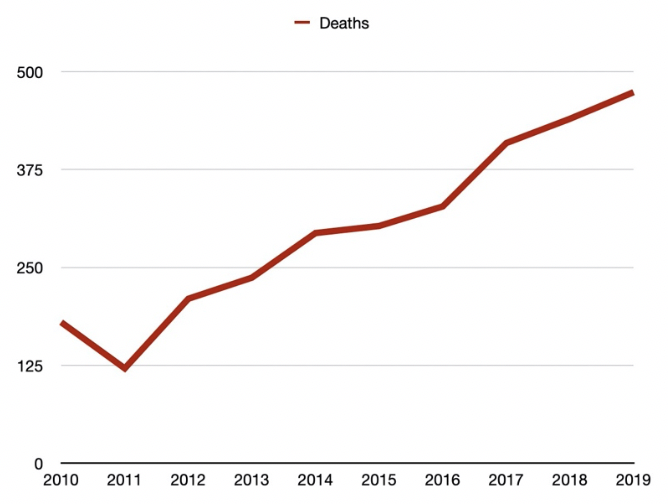
Under the AKP, the number of women killed by men has increased rapidly. Since 2010, more than 3,000 women have been murdered as a result of male violence, with the figure more than doubling over the years. The vast majority of these women were killed for making decisions about their own lives – breaking up with a partner or rejecting men’s advances.

The increasing rate of femicide in Turkey. Source: We Will Stop Femicide Platform

Turkey’s recent controversy around the withdrawal from the Istanbul Convention can be interpreted as a manifestation of the broader anti-gender discourse of many right-wing populist parties. Similarly, Poland’s conservative Law and Justice Party government has also been attacking the Convention, framing it as a menace to the family structure – with some of its officials arguing that it promotes ‘gay ideology.’ The debate around Turkey’s possible withdrawal began after President Recep Tayyip Erdoğan, in typical populist fashion, stated that ‘if the people want us to leave it, we’ll leave it.’ The arguments for leaving the Convention have been similar to those in Poland. In both cases they are built upon decades-old anti-feminist discourses, with advocates of withdrawal claiming that it ‘empowers LGBT+ groups’ and ‘destroys families.’

As part of the AKP’s polarising strategies against political opposition, the party’s officials have vocally criticised forms of womanhood that do not fit into the roles envisaged by their conservative understanding of the family structure. With increasing emphasis on women’s traditional roles, in 2011 the Ministry of Women and Family Affairs was rebranded to remove reference to women, becoming the Ministry of Family and Social Policies. In the past, AKP officials and Erdoğan himself have repeatedly made discriminatory statements against women. For instance, the president has been quoted saying that ‘women are not equal to men’ and called for women to have ‘at least three children.’

The Way Forward

The government’s attempt to turn the Istanbul Convention into a wedge issue has backfired. There is no clear segment of society against it, and according to an opinion poll by Turkey Report only 8.8 percent of the population want to withdraw, and 51.7 percent are not even aware of its contents.

While the number of femicides has steadily increased, the Turkish government has failed to implement measures to protect women or introduce any reforms to tackle gender inequality. According to the Judicial Records statistics in 2019, most of the complaints made by women of sexual and physical violence do not result in a prosecution. This year, Turkey ranked 130th out of 153 countries in the World Economic Forum’s Global Gender Gap Index. Women’s rights activists are outraged by the deteriorating situation that is worsened by the proposal to withdraw from the treaty, with many arguing that it was never properly implemented in the first place.

Mobilised by outrage and solidarity, the women’s movement has made its presence felt in the mainstream of Turkish society, through both vocal social media campaigns and a tangible presence in the streets through mass protests. Gülseren Onanç – who served as the vice president of the Republican People’s Party (CHP) and the founder of the Equality, Justice and Women Platform – has told the authors that she is administrating a new project called ‘the Voice of Women,’ which aims to empower women on social media. She, like many feminist activists in Turkey, believes that effective use of social media is crucial to create awareness of, and action on, women’s rights and equality demands.

Tensions rising in the Mediterranean: The interplay of domestic and foreign policy in Turkey

Photo by Pixabay on Pexels.com

The dangerous escalation in the Eastern Mediterranean, stemming from the disagreement over territory in the waters of the Aegean and Mediterranean, has increasingly been on the radar of scholars in Greece and Turkey, as well as international observers. The recent war of words, threats, and increased levels of military mobilization by Athens and Ankara has created fears of an armed encounter. Even though NATO has recently announced that the actors will “establish mechanisms for military deconfliction”, at the time of writing Greece rejected the cooperation.

How did it come to this? The current tensions can be said to be triggered by the recent alignment between Greece, Cyprus, Israel which indicated their willingness to cooperate on exploiting natural resources in the eastern Mediterranean. Regional cooperation resulted in the establishment of Eastern Mediterranean Gas Forum last year which also included Italy, Egypt, Jordan, and the Palestinian Authority.

The exclusion of Turkey from this alignment resulted in the government of Recep Tayyip Erdoğan beginning to carry out its search for natural resources in waters where jurisdiction is contested. Confrontation intensified in November 2019, when Turkey signed a controversial maritime accord with Libya’s government which was viewed illegal by Greece. In February, even when Turkey’s insistence on continuing its drilling activities resulted in minor sanctions from the EU, Turkey did not back down. Greece and Egypt recently concluded a bilateral demarcation treaty of their maritime territories in the eastern Mediterranean which infuriated Turkey.

The tensions between Greece and Turkey were intensifying outside the Mediterranean as well. In March, Turkey opened its borders and threatened to effectively end its refugee deal with Europe by allowing refugees to enter into the European Union. Next, the transition of Hagia Sophia, a former Byzantine church and later Ottoman mosque, which had been turned into a secular museum in the early years of the Republic of Turkey, back to a mosque, was perceived as a provocation by Greece. In a recent statement, the foreign minister of Greece, Nikos Dendias, also accused Erdoğan of attempting to “implement expansionist aims.”

Populist foreign policy

It is important to underline that Turkey’s disagreement over its share of natural resources is not new. Even though natural resources were discovered in the region years ago, and Turkey has been opposing the agreements that the other parties have signed for more than ten years, the current tension demonstrates that the territorial control of the waters is not the only prime reason of the current contention. What marks this novel tension is Turkey’s increasing isolation in the regional and international arena, confrontational and threatening tone in the foreign policy along with increasing authoritarianism at home.

Even though Turkey is following a confrontational and interventionist foreign policy, mainly manifested in Turkey’s intervention in Syria and Libya, Turkish elites, and primarily Erdoğan, utilise an injustice frame to explain their international position, especially in the case of the eastern Mediterranean.  

Under a populist foreign policy, similarly to its domestic policies at home, the Justice and Development Party (AKP) has tried to forge a common identity by constructing a foreign “other”. The populist foreign policy has been concurrent with changes in political institutions which led to the domination of the president and his populism both at home and at the international level. Labelling rivals as “others” is a strategy that is frequently deployed by the ruling elites in domestic politics, since all those who challenge the government can be presented as being associated with this foreign “other” and hence be de-legitimised. This populist rhetoric in foreign policy also makes it harder to handle technical issues which also feeds into the conflict escalating tone and is an obstacle to nuanced diplomacy.

Erdoğan’s populist foreign policy is shaped by and shapes domestic politics in Turkey. Last year, hundreds were arrested in a crackdown on critics of the military offensive in Syria, called Operation Peace Spring by the Ankara. This demonstrates that those who advocate a counter-narrative to the government’s aggressive foreign policy actions risk being framed as a traitor and face imprisonment.

In this crisis, except for the Peoples’ Democratic Party (HDP), the political opposition seems to pile behind the government. There are no clear proposals for peacefully resolving Turkey’s international quarrels from the political parties with few exceptions as they are following the agenda set by the incumbent. The statements made by the nationalist opposition Good Party (İYİ Parti) even provokes further escalation as one official from the party stated: “if any threats are made to the Turkish military, whoever makes these threats must and will receive a harsher response”, thereby maintaining a militarist tone.

Throughout this crisis, although the main opposition, the Republican People’s Party (CHP) claims to be a part of the social-democratic left tradition in Turkey, the party has failed to live up to the legacy of İsmail Cem who was Turkey’s foreign minister under the similarly aligned Democratic Left Party (DSP) in the 1990s. Cem, a successful diplomat, was able to disentangle domestic and international rhetoric, thereby ultimately establishing good personal relations with his Greek counterpart, George Papandreou.

Today the CHP is divided in its attitude. The spokesperson for the CHP has expressed support for the government’s policy by underlining that Turkey “should not take a step back” even though he acknowledges the need for a diplomatic resolution. Another CHP MP has underlined for example that “Turkey is a great state and will not comply as it did not in history.” However, there are other voices from the CHP like the Deputy Chairman Ünal Çeviköz who has been calling for the prioritisation of a peaceful resolution and provides diplomatic analysis on the framework. Çeviköz’s vision seems to be mirrored by the leader of CHP, Kılıçdaroğlu’s recent address in which he promoted a peaceful resolution by stating “both of our peoples do not want war.”

It is important to underline that Cem and Papandreou’s ability to put in place mechanisms that averted a conflict between the two states in the 1990s also demonstrate that under Turkey’s populist foreign policy, there is no room for diplomats that could act similarly. However, instead of following an approach dedicated to conflict resolution, the political opposition is not capable of making solutions heard and from time to time supports the incumbent in its confrontational tone.

Way ahead

Many of the analyses seem to forget that the global pandemic and the climate crisis is continuing and that there is a need for further cooperation rather than animosity between states. Accounts of energy or power politics also miss the environmental consequences of the quest to acquire natural resources. The utilisation of refugees as bargaining chips, the increasing militarisation in the public sphere are also perilous in the way ahead. 

In a time where such tensions are rising, international and regional assistance is needed more than ever to maintain the channels of dialogue that can prevent armed escalation. There also seems to be no consensus from the European actors on how to respond, as France is utilising a more assertive position against Turkey, with military backing and a continuous call for sanctions, while Germany’s approach involves bringing actors together. Time will show what will happen.

This article was published at Political Studies Association Blog.

When Leftists Ruled the Airwaves: İsmail Cem, TRT, and a Divided Turkey

reubensilverman's avatarReuben Silverman

Milliyet021574

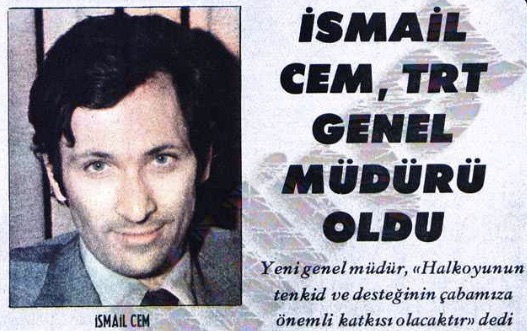
İsmail Cem was thirty-three in 1974, youthful and handsome, educated at the best schools in Turkey and Europe, president of the Istanbul Journalists Union and a famous columnist in his own right. He was also the author of several books on Turkish politics with a pronounced socialist-bent. He was, in short, an ideal candidate to head the Television and Radio Institution of Turkey (TRT) when the center-left Republican People’s Party (CHP) came to power, and under his leadership TRT did indeed embark on some of its most important and artistic ventures. Yet his fifteen months in office were also marked by bitter disputes, accusations and legislative maneuvering that reflected an increasingly divided society where opposing factions saw themselves as representing the popular will and their opponents as having no legitimacy at all.

CONTENTS

I. I: A History of Turkish Radio Television Underdevelopment

II. Mr.Cem Goes to Ankara

III. The “Sultan…

View original post 11,762 more words