Tag Archives: TURKEY

Strategic Silence: The West and Turkey’s Authoritarian Turn

While local politicians across Europe have spoken out against the imprisonment of Istanbul Mayor Ekrem İmamoğlu and the broader trend of democratic backsliding in Turkey, national leaders have largely remained silent, preferring to maintain ongoing cooperation with Ankara.
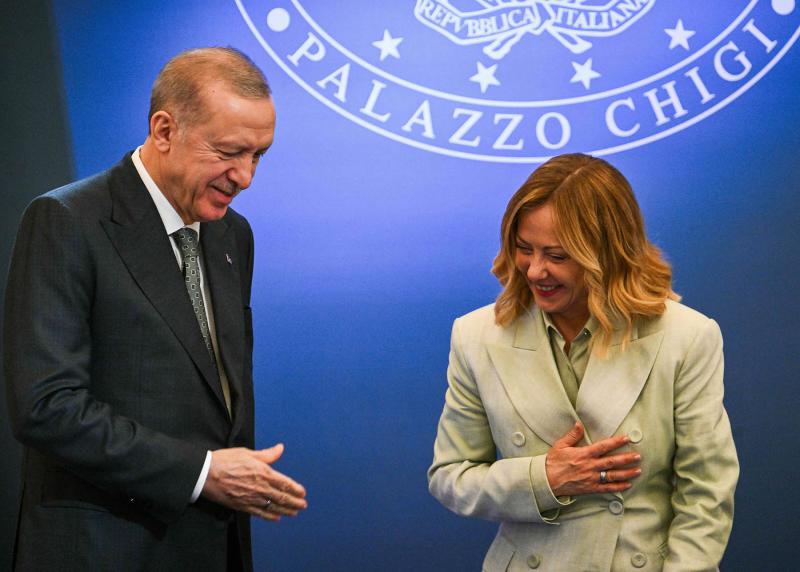
Photo: AFP

More than 50 days have passed since the arrest of Istanbul’s popular mayor, Ekrem İmamoğlu. Following his historic victory in the 2019 Istanbul mayoral election, İmamoğlu, a member of the Republican People’s Party (CHP), has become one of the strongest challengers to President Recep Tayyip Erdoğan’s political dominance. His victory not only marked the end of Erdoğan’s Justice and Development Party (AKP) ‘s decades-long control over Istanbul but also represented a larger quest for democratic reform. In light of his growing popularity, İmamoğlu has faced persistent political and legal pressure, which many perceived as part of a broader strategy to marginalise opposition voices.

In March 2025, İmamoğlu was finally arrested on multiple charges, including corruption and alleged connections to the Kurdistan Workers’ Party (PKK). This came just days before the CHP was set to nominate him as its candidate for the 2028 presidential elections. At the same time, Istanbul University revoked his degree, a constitutional requirement for presidential candidates. The arrest led to widespread protests in major Turkish cities, while over 100 CHP-affiliated officials, municipal employees, and thousands of students and protestors were also arrested.

Civil society and local governments in Europe have raised their voices against this new authoritarian step taken by the AKP government. In an unprecedented show of solidarity, dozens of European mayors and municipal leaders have issued joint statements and videos condemning the arrest. The declarations called for İmamoğlu’s immediate release and urged European institutions to take urgent action to defend democratic freedoms in Turkey.

The Council of Europe labelled the arrest politically driven and a danger to democracy. The Parliamentary Assembly of the Council of Europe called for his swift release, the dismissal of charges, the reinstatement of his degree, and an end to the repression against the protesters. The Congress of Local and Regional Authorities similarly condemned the arrest, describing it as an assault on political pluralism and the will of Istanbul’s electorate.

While the Council of Europe, some European politicians, members of the European Parliament, and local actors actively mobilised against the Turkish government’s authoritarian actions, political leaders in key Western nations remained notably restrained. A relative exception was German Chancellor Scholz, who explicitly condemned İmamoğlu’s detention, deeming it a setback for democratic principles and calling on political elites to cease politically motivated prosecutions. France also, through its Foreign Ministry, issued a public statement framing it as a threat to democracy. Yet overall, European leaders’ reactions were often muted or limited to generic expressions of concern, lacking the urgency, action, and clarity needed.

As the nationwide protests against the arrest began, followed by harsh crackdowns from security forces, CHP leader Özgür Özel expressed his disappointment with Europe’s weak political reaction, specifically highlighting that the silence from Keir Starmer and the British Labour Party is “really hard to understand.” This sentiment was intensified by issues surrounding press freedom and digital censorship, such as the deportation of Mark Lowen, a BBC journalist covering the protests. At the same time, platform X (formerly Twitter) was reported to be blocking opposition accounts in Turkey. Despite the alarming increase in repression, UK officials and some other European states have not issued any significant high-level response to the situation.

Erdoğan Turned Strategic Leverage into Political Immunity

Erdogan’s success in positioning Turkey as a key regional power has significantly altered the West’s response to democratic backsliding within the country. Turkey has become deeply embedded in Europe’s strategic considerations, notably through its role as a mediator and drone technology supplier in Russia’s war on Ukraine. Some commentators have even suggested that Turkish troops could participate in a future Ukraine peacekeeping mission. It has also sold drones to Poland and Croatia. Its role in managing migration, particularly through the 2016 EU-Turkey agreement, is viewed by European leaders as essential to preserving domestic political stability. These dynamics have not silenced Western leaders entirely, but it has produced a clear reluctance to challenge the regime over its authoritarian measures.

Turkish arms companies are increasingly being considered in a more in-depth manner for European defence strategy. Another key example is the emerging partnership between Baykar (the Turkish arms company owned by Erdoğan’s son-in-law) and Italy’s Leonardo. Framed as a “win-win” outcome by Baykar at the Turkey–Italy Summit, the deal marks a significant step toward integrating Turkish defence technology into Europe. The agreement, endorsed politically by Meloni and Erdogan just a month after İmamoğlu’s arrest, outlines joint work on UAVs, using Italian infrastructure as an entry point. This collaboration not only enhances Turkey’s standing but also secures Baykar’s presence in the European market, fostering further defence collaboration with the political regime in Turkey.

In this context, Turkey is emerging as a more self-assured player during uncertainties related to ongoing US support under Trump, and the wars in the Middle East and Ukraine. Erdogan, in particular, has adopted a notably confident tone, casting Turkey as essential to Europe’s future. “It is becoming increasingly impossible for a Europe without Turkey to continue its existence as a global actor,” he asserted, emphasising that “European security without Turkey is unthinkable.” These remarks illustrate a strategic messaging strategy that utilises Turkey’s military importance and growing role in regional diplomacy to seek recognition and influence within Europe’s changing security landscape. Nonetheless, the Turkish regime plans to set the terms of this partnership: while it offers cooperation, it also demands silence on its internal authoritarian practices, resembling the transactional relationships Europe previously had with regimes like Mubarak’s Egypt.

To sum, European reactions reflect strategic interests and security anxieties rather than a solid response to democratic backsliding in Turkey. The case of İmamoğlu exemplifies how pragmatism is here to stay in the West’s relationship with Turkey.

Begum Zorlu is an ESRC research fellow at City St George’s, University of London; Convenor of the PSA Turkish Politics Specialist Group and Content Producer at SES Equality and Justice Platform.

See the article featured at PSA Blog.
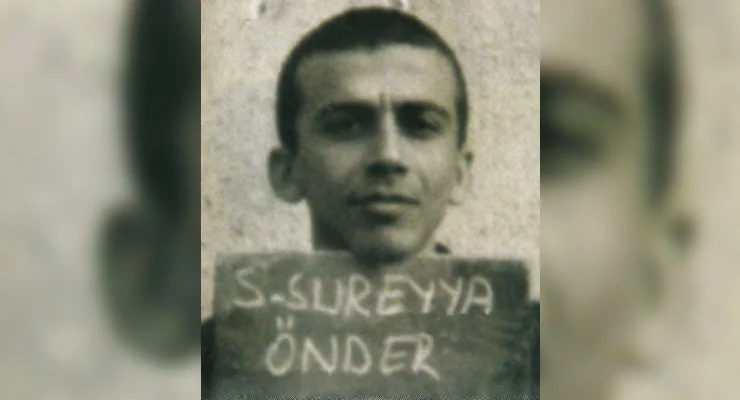
Death of Önder Marks Loss of a Leading Voice for Democracy and Peace in Turkey

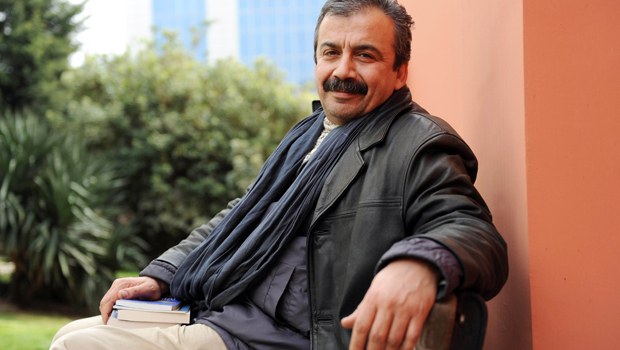
Sırrı Süreyya Önder, a strong advocate for democracy and Kurdish rights, gained prominence through his role in Turkey’s pro-Kurdish movement and efforts to mediate peace between the state and the PKK. His death sparked tributes from across the political spectrum, with many praising his commitment to dialogue and peaceful resolution of Turkey’s deep-rooted conflicts.

Sirri Sureyya Önder, a key lawmaker from Turkey’s pro-Kurdish DEM Party and a significant player in the attempts to resolve the long-standing conflict with the Kurdistan Workers’ Party (PKK), passed away on Saturday at the age of 62.

Also a filmmaker and poet, he was a long-standing advocate for Kurdish rights and democratic reform. He came of age during a turbulent period in Turkish history, shaped by the radical leftist movements of the 1960s and 1970s. This era was marked by widespread student activism, labor strikes, and intense violent clashes between left- and right-wing groups.

In 1978, while still a high school student, Önder was arrested for protesting the Maraş Massacre. The massacre, which occurred in the city of Kahramanmaraş, involved a violent assault by ultranationalist militants on the Alevi community, resulting in the deaths of more than 100 people. The incident heightened sectarian tensions across the country. Önder’s early encounter with political violence and state repression would go on to shape his lifelong commitment to justice and democratic principles.

The 1980 coup further interrupted his studies at Ankara University’s Faculty of Political Science, and he spent part of his youth imprisoned in Mamak, Ulucanlar, and Haymana Prisons under the repressive conditions of military rule.

Önder first gained national recognition through his contributions to cinema in the early 2000s, wherein his films frequently examined themes of social justice, marginalization, and political memory. However, it was during the peace process of the 2010s that he emerged as a known advocate for democracy and peace. Apart from his quest to contribute to the Kurdish peace process, he was also extensively acknowledged for his involvement in the Gezi Park protests, during which he took a bold stance against the park’s destruction which was reflected in an iconic video in which he proclaimed, “I am also the deputy of the trees. “

His more than decade-long role in the Kurdish peace process stands as one of the most significant aspects of his legacy. In March 2013, at the Newroz (Kurdish New Year) celebrations in Diyarbakır, he publicly read out Öcalan’s call for a ceasefire, relaying the PKK leader’s message of a “silence of weapons” to a massive crowd.

When this peace process collapsed in 2015/2016, authorities lifted the parliamentary immunity of numerous HDP lawmakers, including Önder, and launched a sweeping crackdown. Ironically, Önder’s 2013 Newroz speech, delivered as part of a state-approved peace effort, was later used to charge him with “terrorist propaganda.” Despite urging reconciliation, he was sentenced in 2018 to 3 years and 6 months in prison. In 2019, the Constitutional Court ruled his conviction violated his freedom of expression, recognizing his speech as peaceful and part of the resolution process. He was released that, reaffirming his commitment to peace.

He was part of the renewed peace process

Just in the previous weeks, he participated in a DEM Party delegation that met with imprisoned PKK leader Abdullah Öcalan, as well as President Recep Tayyip Erdoğan, to seek a restart of negotiations and pave the way for a new peace process.

His death came at a delicate moment for Turkish politics, as hopes for a renewed peace initiative had been cautiously rekindled after years of escalating violence and political polarization. The conflict between the Turkish state and the PKK, which began in 1984, has claimed over 40,000 lives.

Tributes poured in from across the political spectrum, with many hailing Onder’s efforts to bridge divides and seek a non-violent solution to one of Turkey’s most entrenched conflicts. “He dedicated his life to peace, dialogue, and justice,” the DEM Party said in a statement. “His voice will be deeply missed at a time when it is needed most.”

Global Protests Erupt Over Arrest of Istanbul Mayor Ekrem İmamoğlu

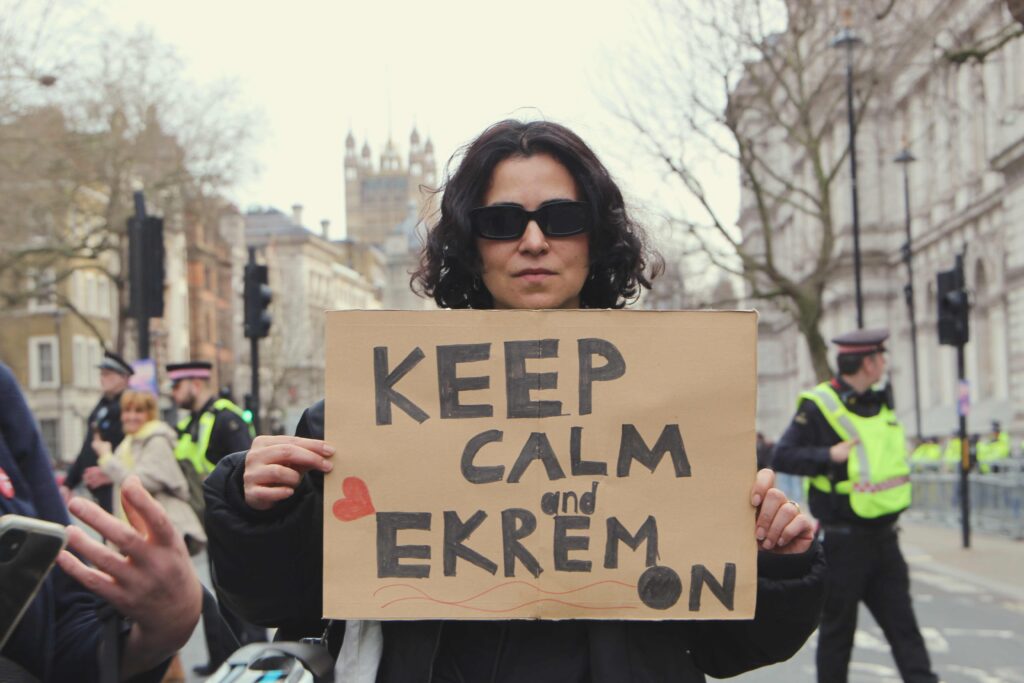
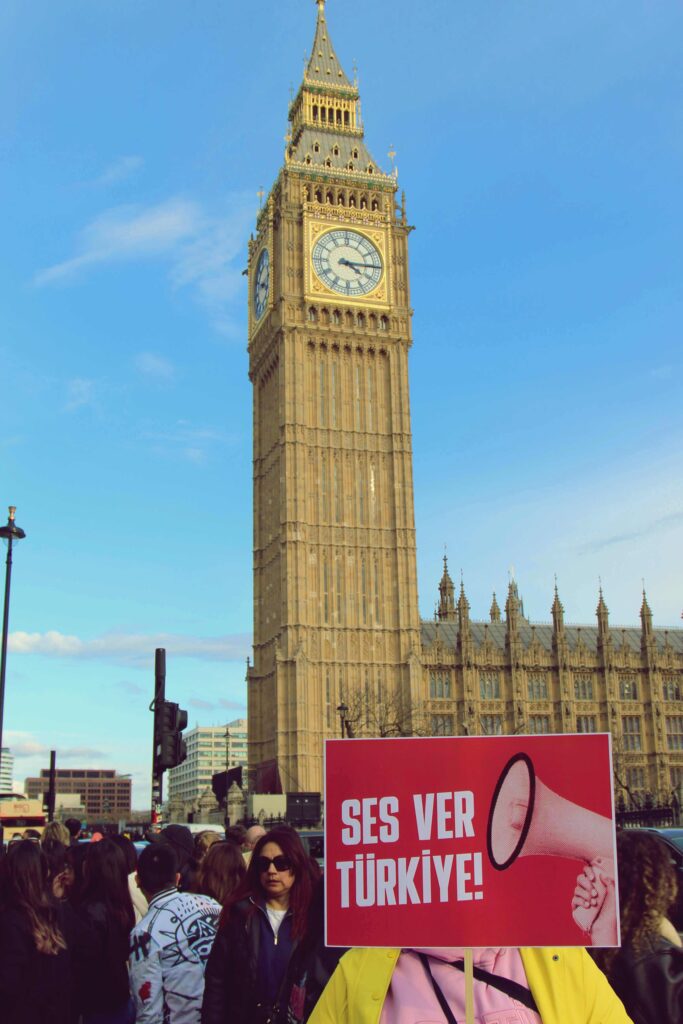
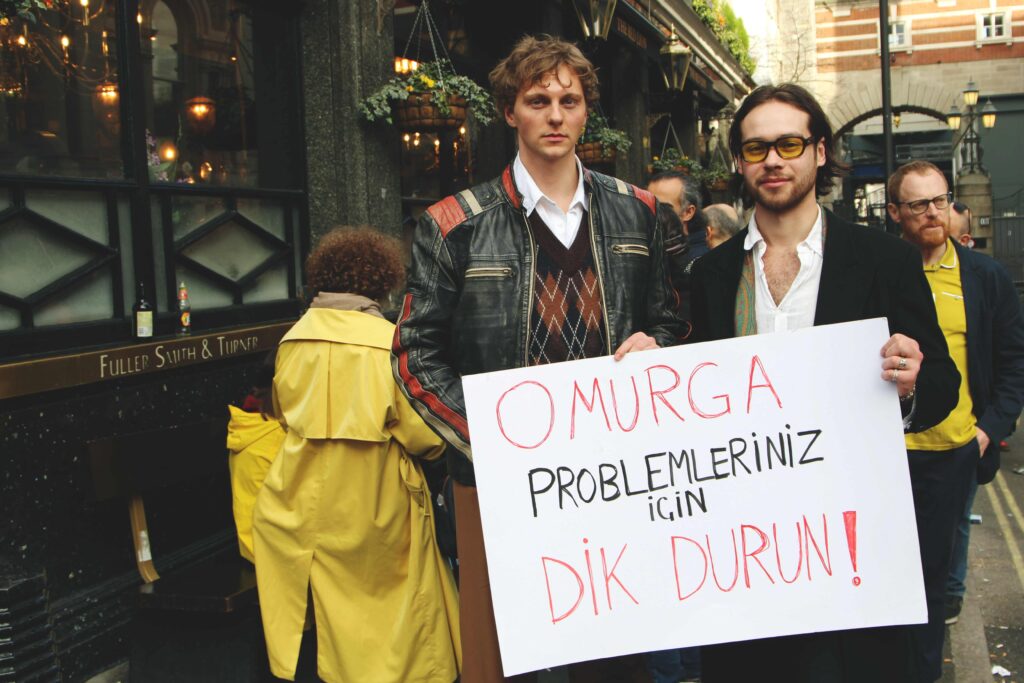
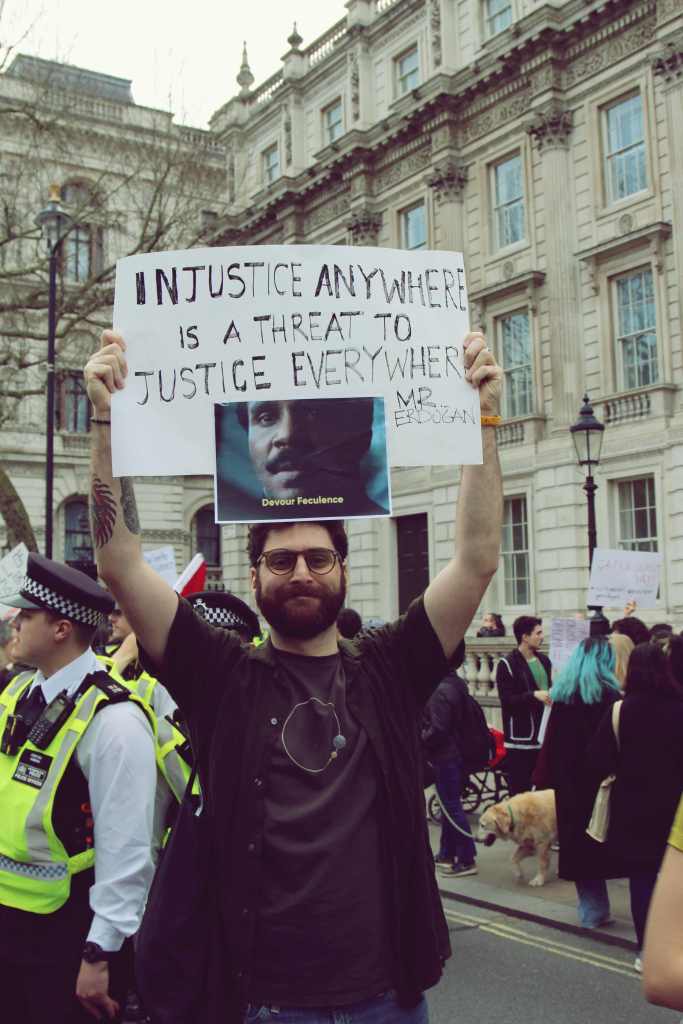
The arrest of Istanbul’s popular opposition mayor, Ekrem İmamoğlu, has sparked a wave of mass mobilisations not only across Turkey but also in major cities around the world. This post from Equality Justice Women Platform shares some reflections from a solidarity protest in London, showing that the demonstrations reflect the “spirit of Gezi,” uniting people across political divides and generations.

Begum Zorlu

After the arrest of Istanbul’s charismatic opposition mayor, Ekrem Imamoglu, Turkey has encountered escalating unrest*. Significant protests have arisen in cities such as Istanbul, Ankara, and İzmir, where thousands have gathered in public spaces to show solidarity and oppose a growing authoritarian regime. These demonstrators have encountered police violence and arrests, while the government has imposed multiple restrictions on social media and largely ignored the protests in state-controlled media. Over 1,000 protesters, as well as journalists and writers, have been arrested.

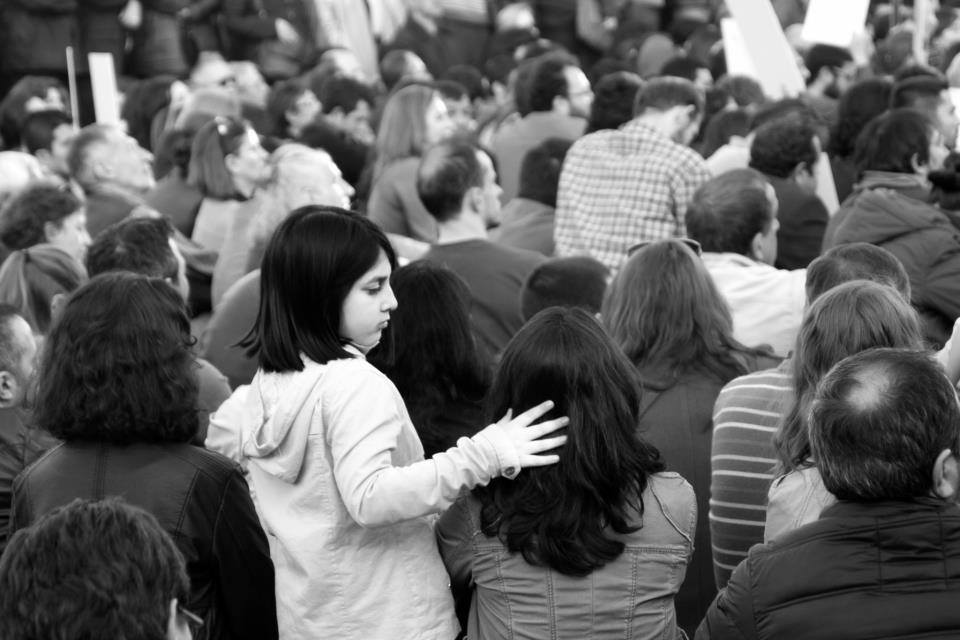
While repression grew in Turkey, the mobilisation has gained international momentum, leading to major protests in Western cities such as Berlin, Brussels, London, New York, and Amsterdam. I attended the demonstration in London this saturday, where over a thousand people gathered in Trafalgar Square and later marched towards Parliament Square.

A range of organised leftist groups, Kurdish and Alevi organisations, stood alongside students and independent participants to express their solidarity. A symbolic primary election ballot box was also set up in the square, allowing attendees to cast their votes for Ekrem İmamoğlu as the CHP’s (Republican People’s Party) presidential candidate.

What stood out in this mobilisation was its deliberate evocation of the slogans and spirit of the Gezi Park Protests. Protesters made repeated references to the 2013 demonstrations, which began as a defence of a public park in central Istanbul but quickly evolved into a mass uprising against police brutality and the increasingly authoritarian direction of the AKP government. Twelve years on, Turkey has regressed even further, with the state consolidating control over key institutions, facilitating increased repression of popular opposition figures.

As democratic backsliding in Turkey deepened, maintaining protest movements that brought together diverse political groups became increasingly challenging—especially as the Kurdish opposition had been heavily criminalised, and the mainstream opposition often hesitated to publicly associate with them. In this context, the unity of multiple groups evoked strong parallels with the Gezi Movement, when a broad coalition of social actors was able to unite around shared demands.

At the protests in London, there was a strong presence of students and young people. Many remarked that they had been “too young” to take part in the Gezi movement, having grown up under the only political reality they’ve ever known, the current regime. Slogans such as “this is just the beginning, the struggle will continue,” which had become emblematic during Gezi, were once again at the heart of the gathering.

The the memory of that earlier social movement was strongly felt in the square, shaping the atmosphere and lending historical dynamism to the protest. It provided a broader framework through which to interpret the attempted criminalisation of Ekrem İmamoğlu as part of a wider struggle for justice, democracy, and resistance in Turkey. It also highlighted the need for diverse opposition groups to unite against authoritarianism.

*It is important to underline that just a day before the arrest, Istanbul University annulled the diploma of İmamoğlu, effectively blocking his presidential nomination. In Turkey, to be a presidential candidate, a university degree is needed.

Understanding the 2023 Turkish Elections

Photo: Begum Zorlu (Istanbul)

After an unfair electoral cycle, Turkey’s incumbent Recep Tayyip Erdoğan secured another term as the president of Turkey. How can we make sense of Erdoğan’s victory considering deteriorating economic conditions, increasing authoritarianism, and the mismanagement of the humanitarian response after the devastating earthquakes? What does the future hold for Turkey ? Some of my comments appeared in the news section on City, University of London’s website to answer this question. Here are some detailed comments below.

The Opposition Faced Repression and a Smear Campaign

Since the failed coup attempt in 2016, repression against the political opposition has steadily increased in Turkey. Therefore, it is not a surprise to hear opposition leader Kılıçdaroğlu labelling the contest as the “most unfair election in recent years”, arguing that all the means of the state were mobilised for the ruling party. Apart from establishing control over key institutions, Erdoğan and his party systematically used fabricated videos and slanders to frame the opposition as an advocate of terrorism. Many members of the pro-Kurdish opposition party HDP, including the former co-leader Selahattin Demirtaş have been imprisoned since 2016. Another charismatic figure, Istanbul’s mayor Ekrem Imamoğlu from the Republican People’s Party was handed a jail sentence and a political ban months before the elections. By eliminating powerful opponents, the incumbent could shape the political terrain of the contest.

There Were Voting Irregularities and Media Bias

Apart from the repression, the election was marked by voting irregularities and media bias. According to the Reporters Without Borders index, Turkey is among the worst twenty countries in the World for press freedom. While critical journalists face multiple barriers, including attacks and arrests, the government has almost total control over state and mainstream private media. Also, many reports of illegal voting and observer intimidation occurred on election day. There were reports of opposition members being beaten and threatened during election monitoring. Yet, followers criticised the inability of opposition parties to address voting irregularities with an assertive voice.

The Ruling Block Obtained a Parliamentary Majority by Enlarging its Coalition

Forming electoral alliances was more beneficial for the incumbent, as it provided its parliamentary majority. Even though the AKP’s vote decreased from around 42 per cent to 35, the party was able to gain a majority by forming a solid alliance (referred to as the People’s Alliance) with the Nationalist Movement Party and two Islamist parties, New Welfare Party and the Free Cause Party. The opposition coalition could not substantively increase its vote as the newly formed parties that joined the bloc by former senior figures of the AKP, Ali Babacan and Ahmet Davutoğlu performed below expectations. Furthermore, during the election process, parties of the opposition also seemed less united than the ruling block. This was most visible during the right-wing Good Party leader Meral Akşener’s contestation of Kilicdaroglu’s candidacy about two months before the election.

The Incumbent Deepened Polarisation and Used Foreign Policy to Claim Competence

The electoral race was marked by increased polarisation and counter-framing, which expanded beyond Turkey’s borders. The dynamics of international politics have impacted the election results as it became a sphere where the AKP could claim competence and success. In a recent PSA Blog post, I reviewed that during their election campaign, the AKP, apart from their populist framing of the opposition as “foreign threats”, praised repeatedly that they could negotiate with both sides in the Russia-Ukraine war and make concrete progress such as the grain corridor initiative and prisoner exchange. While the AKP presented itself as a competent international actor, the political parties that make up the Nation Alliance and Kılıçdaorğlu focused more on domestic issues like Turkey’s economic collapse, democratic backsliding, and justice. The AKP elites were able to frame themselves as peacemakers and have used it to enhance their legitimacy domestically and internationally.

The Road Ahead

The race was profoundly unfair and unbenignant. Turkey’s pressing issue is addressing the coming economic problems as the lira plummeted to a record low yesterday. Apart from concerns about economic collapse, civil society groups and opposition parties argue that another term will worsen human rights abuses, the rule of law, LGBT+ and women’s rights. In his “victory speech,” Erdogan labelled the opposition as “LGBT lovers” and contrasted his position by underlining the importance of “family values.” It is visible that increasing polarisation will be the incumbent’s primary strategy against the political opposition.

In foreign policy, it can be argued that the AKP will maintain its strategic relationship with the West while preserving solid ties with Russia. However, Western leaders were quick to congratulate Erdogan, visible in the German Chancellor’s message stating that he wants them to advance a “common agenda with a fresh impetus!” The opposition forces were upset with the EU’s response to Erdogan’s re-election and underlined that they need to do more to voice rights violations in Turkey.

It is important to note that AKP’s populism at home is shaped by its global contestatory frames contributing to a boundary between us and them. Especially the construction of the other has been vital in justifying the securitisation of the political opposition since the failed coup attempt in Turkey. With another term with Erdogan, Turkey’s assertive and populist policy at home and internationally will further deepen.

Turkey

Turkey Elections

Türkiye

Aysel Tuğluk’s Captivity is a Human Right Violation

In her commentary, Begum Zorlu, PhD researcher at City, University of London, argues that by denying Kurdish politician Aysel Tuğluk proper treatment for her dementia, authorities are putting her life at risk.

All persons under any form of detention or imprisonment shall be treated in a humane manner and with respect for the inherent dignity of the human person.

Basic Principles for the Treatment of Prisoners, Article 1; UN Body of Principles for the Protection of All Persons under Any Form of Detention or Imprisonment 

Followers of Turkish politics are aware that since the coup attempt in 2016, democratic backsliding in the country has taken the form of unjust trials, rights violations, and political violence. The deterioration of rights has also been evident in cases of detention, which are clearly in violation of the basic principles for the treatment of prisoners highlighted in international treaties. Kurdish politician Aysel Tuğluk’s continued captivity to this day demonstrates the cruelness of the current political climate in Turkey and marks a grave human rights violation.

Aysel Tuğluk is a prominent Kurdish politician and a human rights lawyer who has been active in national politics for almost twenty years. She was the founding member and Co-Chair of the pro-Kurdish Democratic Society Party.

Her life has been marked by struggle on multiple fronts as she explained in one of her interviews that the death of her father and brother during her childhood shaped her desire to enter politics. She was raised by a diligent mother, who tried to make ends meet to keep Tuğluk in education. Tuğluk described the losses she faced during her childhood as motivating her to enter politics.

Aysel Tuğluk faced repression throughout her career and has been imprisoned since 2016 due to the charges on terrorism linked to the outlawed Kurdistan Workers’ Party (PKK). However, as the solidarity group 1000 Women for Freedom to Aysel Tuğluk” has outlined, these charges are linked to the speeches she made as a deputy, which are within the scope of freedom of thought and expression.
While serving her sentence Tuğluk’s mother Hatun Tuğluk passed away in 2017, and the funeral was attacked by far-right protestors in Ankara. A large group attacked with stones and sticks and threatened to prevent the funeral. Due to this, Tuğluk’s family decided to move Hatun Tuğluk’s body from the cemetery where she was buried so that it would not be attacked. The crowd also shouted racist and discriminatory slogans like “we will not bury terrorists here. This is not an Armenian cemetery. If you bury them, we will cut them to pieces!” This undoubtably became a traumatising event as Aysel Tuğluk’s farewell to her mother was marked by attacks and threats. Due to the continued threats and impunity, Tuğluk’s mother’s body had to be transferred to Dersim. She was not able to attend the funeral as a permit was not given by the authorities. Tuğluk’s family and friends believe that the attacks have triggered or contributed to her illness. She was diagnosed with dementia in prison last year.

The situation is getting worse and urgent action needs to be taken

Even though her illness is progressing, Tuğluk is repeatedly facing obstacles to receiving the right treatment. After a long-term legal struggle, which recently concluded, the courts decided for her release. However, it was announced that Tuğluk will have to continue to stay in prison, due to receiving a sentence as part of another case.

The situation is dire. As a result of the treatment and examinations carried out by Kocaeli University Forensic Medicine Department months ago, it was stated that Aysel Tuğluk could not stay in prison. Her lawyer Ezgi Güngördü, stated that Tuğluk did not even remember the release decision given in the Kobanê case . Despite multiple medical and expert reports stating that “Tuğluk cannot stay in prison alone”, the official Institution of Forensic Medicine says she can stay imprisoned. However, the same Institution of Forensic Medicine made a decision to release the General Çevik Bir, who is also facing the same illness.

Solidarity Continues to Grow

Rights activists in Turkey and around the world have been working to raise awareness of her case and secure her release. In January, an application was made to the UN for the release of Tuğluk and other sick prisoners. Bar associations and non-governmental organizations wrote a letter to the UN to take action on the state of sick prisoners. This letter, signed by bar associations, law and human rights organizations from countries around the world was sent to the UN Special Rapporteur on Torture and Ill-Treatment, Independence of Judges and Lawyers, The Condition of Human Rights Defenders, Physical and Mental Health, and Minority Rights, and the Arbitrary Arrests Working Group.

Her captivity led to domestic and international reactions. The Republican Peoples’ Party (CHP) Adana Provincial Organization Chair Mehmet Çelebi has made a call for Aysel Tuğluk’s release from prison. Feminist activists and authors like Silvia Federici and Angela Davis also sent calls of solidarity.

Free Aysel Tuğluk Now

After the announcement that Tuğluk will not be released, the “Platform of 1000 Women for Aysel Tuğluk” gathered in front of the prison. Speaking at the gathering, Prof. Dr. Özgün said “Unfortunately, Aysel Tuğluk no longer has the opportunity to meet her needs and maintain her personal care without assistance.


Tuğluk’s continued captivity is making her illness worse, leading to an irreversible point with each passing day. As Kurdish politician Ahmet Turk put it earlier, “The government is approaching this issue with hostility. It is inhumane to keep a person in such a state of health in prison.” It is therefore correct to state that every day that Tuğluk is being held amounts to the continuation of a human rights violation. She must be released immediately.

Book Review: Religion, Identity and Power: Turkey and the Balkans in the Twenty-First Century by Ahmet Erdi Özturk

While there is comprehensive literature on the role of religion in society (Mardin, 2006) terrorism (Juergensmeyer, 2008) regime characteristics (Menchik, 2016) and political parties (Layman and Layman, 2001); how it impacts “state identity” is a question that has received little attention. Öztürk’s book fills the gap by focusing on the role of religion shaping state identity by focusing to the case of Turkey with a historical approach. The book’s central puzzle is to investigate religion–state relationship as a crucial characteristic of “state ideology, identity and power” (Öztürk, 2020, p.12). By looking at Turkey’s Directorate of Religious Affairs, known as Diyanet’s influence in four case studies, the book builds a portrayal of the dynamics of change in state identity. It looks at how do these changes manifest themselves in various areas such as foreign policy orientations and preferences of home and host countries. 

While the book’s primary focus centers on the influence of religion under the AKP, it also sheds light on the significance of religion in shaping Turkish state identity. The initial chapters review the “institutional continuity” of the Diyanet, highlighting the contributions of different leaders in shaping this institution over time. Similarly, one of the strengths of this book lies in its examination of the processes of change, specifically how Turkey’s evolving foreign relations have influenced the perspectives of the host states. The author argues that the transition from a “secularist identity” to a religious one has profoundly impacted the dynamics of interaction. Furthermore, this emphasis on identity is intertwined with the importance of interests.

Drawing upon rich data accumulated over four years of fieldwork, the author demonstrates how religious soft power shapes Turkey’s foreign policy. The book shows the intricate relationship between religion and foreign policy by providing insightful anecdotes and reflections. For example, the author shares encounters with Bulgarian state officials who initially welcomed the input of the Diyanet. In the case of Albania, the book highlights Turkey’s role in exacerbating divisions among the country’s various Islamic factions.

The book offers a valuable contribution to understanding Turkish cultural diplomacy and its impact on state identity. It successfully bridges the gap in the existing literature by analysing the interplay between religion, foreign policy, and state identity.

The book addresses the growing interest in Turkey’s foreign policy and provides an on-the-ground focus on its identity and how it is manifested in the Balkans. The extensive fieldwork conducted in multiple countries adds originality, facilitates useful comparisons, and provides a compelling narrative about Turkey’s foreign policy identity. The insights gathered from interviews are valuable to researchers, especially given the challenges of data collection in a polarised political environment. Even though the author shares his reflections and how he is perceived by the actors in the field, there could have been more emphasis on reflexivity, and more reflections on power from the field dynamics. This would have provided the reader with a broader understanding of the fieldwork dynamics.

Bibliography

Bellin Eva (2008) Faith in Politics: New Trends in the Study of Religion and Politics” World Politics, Volume 60, Number 2

Juergensmeyer Mark (2008) Global Rebellion: Religious Challenges to the Secular State, from Christian Militias to al Qæda, University of California Press

Layman, G., & Layman, G. C. (2001) The great divide: religious and cultural conflict in American party politics.

Mardin, S. (2006) Religion, society, and modernity in Turkey. Syracuse University Press.

Menchik, J. (2016) Islam and democracy in Indonesia: Tolerance without liberalism. Cambridge University Press.

Tensions rising in the Mediterranean: The interplay of domestic and foreign policy in Turkey

Photo by Pixabay on Pexels.com

The dangerous escalation in the Eastern Mediterranean, stemming from the disagreement over territory in the waters of the Aegean and Mediterranean, has increasingly been on the radar of scholars in Greece and Turkey, as well as international observers. The recent war of words, threats, and increased levels of military mobilization by Athens and Ankara has created fears of an armed encounter. Even though NATO has recently announced that the actors will “establish mechanisms for military deconfliction”, at the time of writing Greece rejected the cooperation.

How did it come to this? The current tensions can be said to be triggered by the recent alignment between Greece, Cyprus, Israel which indicated their willingness to cooperate on exploiting natural resources in the eastern Mediterranean. Regional cooperation resulted in the establishment of Eastern Mediterranean Gas Forum last year which also included Italy, Egypt, Jordan, and the Palestinian Authority.

The exclusion of Turkey from this alignment resulted in the government of Recep Tayyip Erdoğan beginning to carry out its search for natural resources in waters where jurisdiction is contested. Confrontation intensified in November 2019, when Turkey signed a controversial maritime accord with Libya’s government which was viewed illegal by Greece. In February, even when Turkey’s insistence on continuing its drilling activities resulted in minor sanctions from the EU, Turkey did not back down. Greece and Egypt recently concluded a bilateral demarcation treaty of their maritime territories in the eastern Mediterranean which infuriated Turkey.

The tensions between Greece and Turkey were intensifying outside the Mediterranean as well. In March, Turkey opened its borders and threatened to effectively end its refugee deal with Europe by allowing refugees to enter into the European Union. Next, the transition of Hagia Sophia, a former Byzantine church and later Ottoman mosque, which had been turned into a secular museum in the early years of the Republic of Turkey, back to a mosque, was perceived as a provocation by Greece. In a recent statement, the foreign minister of Greece, Nikos Dendias, also accused Erdoğan of attempting to “implement expansionist aims.”

Populist foreign policy

It is important to underline that Turkey’s disagreement over its share of natural resources is not new. Even though natural resources were discovered in the region years ago, and Turkey has been opposing the agreements that the other parties have signed for more than ten years, the current tension demonstrates that the territorial control of the waters is not the only prime reason of the current contention. What marks this novel tension is Turkey’s increasing isolation in the regional and international arena, confrontational and threatening tone in the foreign policy along with increasing authoritarianism at home.

Even though Turkey is following a confrontational and interventionist foreign policy, mainly manifested in Turkey’s intervention in Syria and Libya, Turkish elites, and primarily Erdoğan, utilise an injustice frame to explain their international position, especially in the case of the eastern Mediterranean.  

Under a populist foreign policy, similarly to its domestic policies at home, the Justice and Development Party (AKP) has tried to forge a common identity by constructing a foreign “other”. The populist foreign policy has been concurrent with changes in political institutions which led to the domination of the president and his populism both at home and at the international level. Labelling rivals as “others” is a strategy that is frequently deployed by the ruling elites in domestic politics, since all those who challenge the government can be presented as being associated with this foreign “other” and hence be de-legitimised. This populist rhetoric in foreign policy also makes it harder to handle technical issues which also feeds into the conflict escalating tone and is an obstacle to nuanced diplomacy.

Erdoğan’s populist foreign policy is shaped by and shapes domestic politics in Turkey. Last year, hundreds were arrested in a crackdown on critics of the military offensive in Syria, called Operation Peace Spring by the Ankara. This demonstrates that those who advocate a counter-narrative to the government’s aggressive foreign policy actions risk being framed as a traitor and face imprisonment.

In this crisis, except for the Peoples’ Democratic Party (HDP), the political opposition seems to pile behind the government. There are no clear proposals for peacefully resolving Turkey’s international quarrels from the political parties with few exceptions as they are following the agenda set by the incumbent. The statements made by the nationalist opposition Good Party (İYİ Parti) even provokes further escalation as one official from the party stated: “if any threats are made to the Turkish military, whoever makes these threats must and will receive a harsher response”, thereby maintaining a militarist tone.

Throughout this crisis, although the main opposition, the Republican People’s Party (CHP) claims to be a part of the social-democratic left tradition in Turkey, the party has failed to live up to the legacy of İsmail Cem who was Turkey’s foreign minister under the similarly aligned Democratic Left Party (DSP) in the 1990s. Cem, a successful diplomat, was able to disentangle domestic and international rhetoric, thereby ultimately establishing good personal relations with his Greek counterpart, George Papandreou.

Today the CHP is divided in its attitude. The spokesperson for the CHP has expressed support for the government’s policy by underlining that Turkey “should not take a step back” even though he acknowledges the need for a diplomatic resolution. Another CHP MP has underlined for example that “Turkey is a great state and will not comply as it did not in history.” However, there are other voices from the CHP like the Deputy Chairman Ünal Çeviköz who has been calling for the prioritisation of a peaceful resolution and provides diplomatic analysis on the framework. Çeviköz’s vision seems to be mirrored by the leader of CHP, Kılıçdaroğlu’s recent address in which he promoted a peaceful resolution by stating “both of our peoples do not want war.”

It is important to underline that Cem and Papandreou’s ability to put in place mechanisms that averted a conflict between the two states in the 1990s also demonstrate that under Turkey’s populist foreign policy, there is no room for diplomats that could act similarly. However, instead of following an approach dedicated to conflict resolution, the political opposition is not capable of making solutions heard and from time to time supports the incumbent in its confrontational tone.

Way ahead

Many of the analyses seem to forget that the global pandemic and the climate crisis is continuing and that there is a need for further cooperation rather than animosity between states. Accounts of energy or power politics also miss the environmental consequences of the quest to acquire natural resources. The utilisation of refugees as bargaining chips, the increasing militarisation in the public sphere are also perilous in the way ahead. 

In a time where such tensions are rising, international and regional assistance is needed more than ever to maintain the channels of dialogue that can prevent armed escalation. There also seems to be no consensus from the European actors on how to respond, as France is utilising a more assertive position against Turkey, with military backing and a continuous call for sanctions, while Germany’s approach involves bringing actors together. Time will show what will happen.

This article was published at Political Studies Association Blog.

A Year of Terrorist Bombings in Turkey (2015)

1468660_1380355852209302_1554478118_n

“While the ruling elite remains emotionally and physically unaffected by the bombings, this year of violence has left thousands dead and injured, broken dozens of families, and shattered the previously fragile peace in the country’s southeast.

In a state where funerals and lawlessness have become common, the victims of these mass atrocities feel isolated.

At a time when Turkey should be protecting and defending its citizens, there is a profound lack of justice for those who are most deeply affected by the country’s many, recent tragedies.”

See full text at Muftah.org

The 2015 Renault Strike in Turkey

IMG_4961

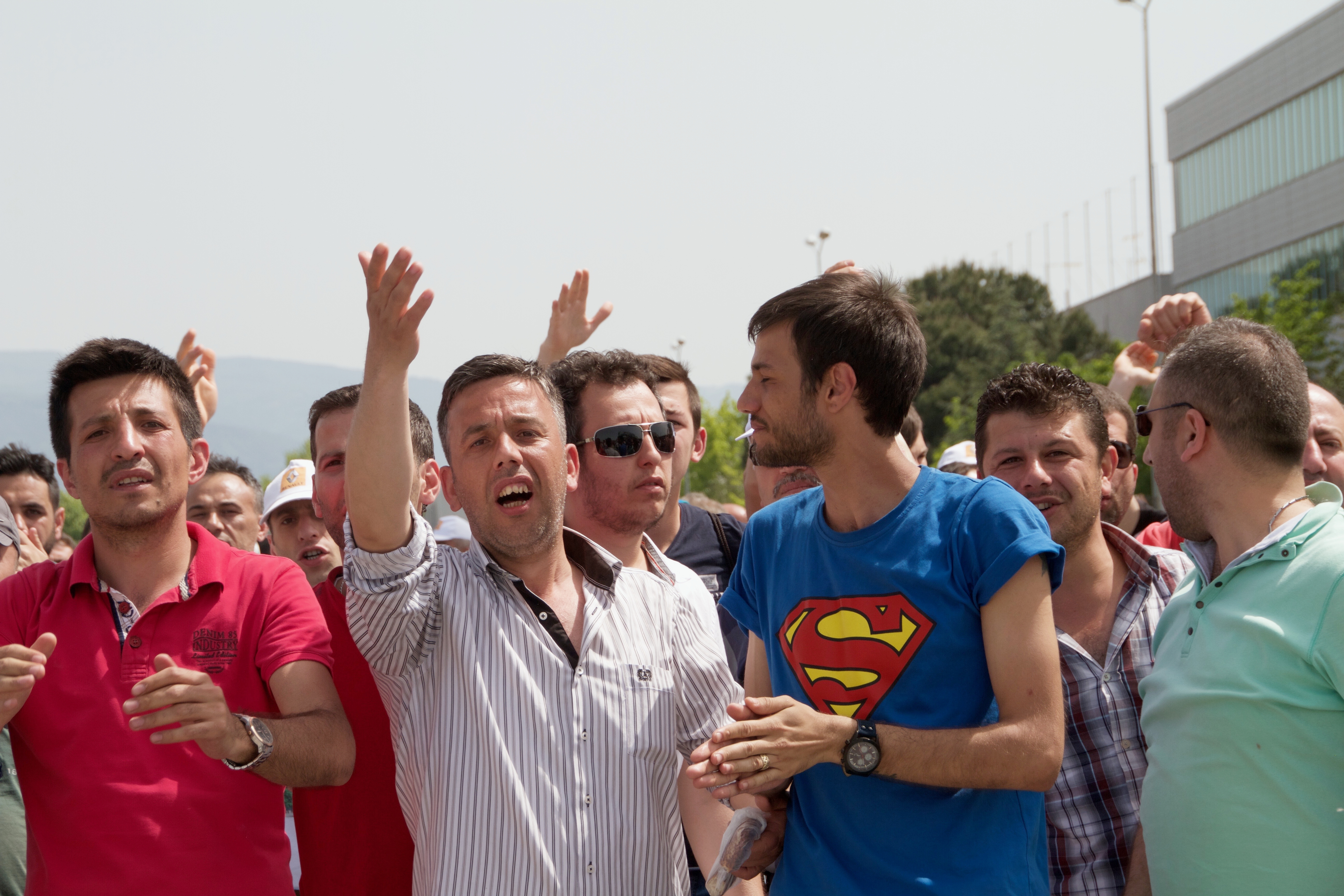
At the end of their shift, almost half of the workers at the Renault factory in Bursa, Turkey decided that they will not be working the next day.

“Oyak Renault”, as it is known in Turkey, is a joint venture between the French automaker and the Turkish army pension fund Oyak.

IMG_4965

The strike started on a Thursday night.

It lasted 14 days.

The number of those who launched the strike amounted to 2,500.

They expressed discontent both with the company and their union.

IMG_4946

The strike spread to other companies such as Fiat’s affiliate company factory Tofas and automobile part suppliers in other industrial zones of Turkey as well.

I was able to go there a couple of days later, take these photos and witness the slogans and the atmosphere of “resistance” and “solidarity.”

This was the post in Turkish.

IMG_4958

In this photo, it can be seen that a popular slogan from the Gezi Park Protests is diffused. The slogan states: “Everywhere Reno, resistance everywhere.” Those who write it probably belong to the supporter group of sports team Beşiktaş, named Çarşı.

IMG_4903

Those who were striking and their supporters rallied in front of the factory, while some of the workers camped inside. Cheers and voices were loud when these small rallies took place.

IMG_4905

Also, there was some hostility towards the “foreigners” as one worker stated: “We do not trust those “foreigners” coming from İstanbul. They may exploit us!”

IMG_4909

Yet, the negative encounters with journalists were limited. They stressed some of the workers cards for entering the factory were not working. There was anger and mistrust towards the authorities. Mostly, the messages of solidarity and resistance were dominant.

IMG_4951

In this placard it writes: “if you do not resist today, you will beg tomorrow.”

IMG_4928

Oguz Alyanak wrote probably the best, a comprehensive article on the dynamics of the protest at Open Democracy. Definitely recommended.