Tag Archives: politics

Strategic Silence: The West and Turkey’s Authoritarian Turn

While local politicians across Europe have spoken out against the imprisonment of Istanbul Mayor Ekrem İmamoğlu and the broader trend of democratic backsliding in Turkey, national leaders have largely remained silent, preferring to maintain ongoing cooperation with Ankara.

Photo: AFP

More than 50 days have passed since the arrest of Istanbul’s popular mayor, Ekrem İmamoğlu. Following his historic victory in the 2019 Istanbul mayoral election, İmamoğlu, a member of the Republican People’s Party (CHP), has become one of the strongest challengers to President Recep Tayyip Erdoğan’s political dominance. His victory not only marked the end of Erdoğan’s Justice and Development Party (AKP) ‘s decades-long control over Istanbul but also represented a larger quest for democratic reform. In light of his growing popularity, İmamoğlu has faced persistent political and legal pressure, which many perceived as part of a broader strategy to marginalise opposition voices.

In March 2025, İmamoğlu was finally arrested on multiple charges, including corruption and alleged connections to the Kurdistan Workers’ Party (PKK). This came just days before the CHP was set to nominate him as its candidate for the 2028 presidential elections. At the same time, Istanbul University revoked his degree, a constitutional requirement for presidential candidates. The arrest led to widespread protests in major Turkish cities, while over 100 CHP-affiliated officials, municipal employees, and thousands of students and protestors were also arrested.

Civil society and local governments in Europe have raised their voices against this new authoritarian step taken by the AKP government. In an unprecedented show of solidarity, dozens of European mayors and municipal leaders have issued joint statements and videos condemning the arrest. The declarations called for İmamoğlu’s immediate release and urged European institutions to take urgent action to defend democratic freedoms in Turkey.

The Council of Europe labelled the arrest politically driven and a danger to democracy. The Parliamentary Assembly of the Council of Europe called for his swift release, the dismissal of charges, the reinstatement of his degree, and an end to the repression against the protesters. The Congress of Local and Regional Authorities similarly condemned the arrest, describing it as an assault on political pluralism and the will of Istanbul’s electorate.

While the Council of Europe, some European politicians, members of the European Parliament, and local actors actively mobilised against the Turkish government’s authoritarian actions, political leaders in key Western nations remained notably restrained. A relative exception was German Chancellor Scholz, who explicitly condemned İmamoğlu’s detention, deeming it a setback for democratic principles and calling on political elites to cease politically motivated prosecutions. France also, through its Foreign Ministry, issued a public statement framing it as a threat to democracy. Yet overall, European leaders’ reactions were often muted or limited to generic expressions of concern, lacking the urgency, action, and clarity needed.

As the nationwide protests against the arrest began, followed by harsh crackdowns from security forces, CHP leader Özgür Özel expressed his disappointment with Europe’s weak political reaction, specifically highlighting that the silence from Keir Starmer and the British Labour Party is “really hard to understand.” This sentiment was intensified by issues surrounding press freedom and digital censorship, such as the deportation of Mark Lowen, a BBC journalist covering the protests. At the same time, platform X (formerly Twitter) was reported to be blocking opposition accounts in Turkey. Despite the alarming increase in repression, UK officials and some other European states have not issued any significant high-level response to the situation.

Erdoğan Turned Strategic Leverage into Political Immunity

Erdogan’s success in positioning Turkey as a key regional power has significantly altered the West’s response to democratic backsliding within the country. Turkey has become deeply embedded in Europe’s strategic considerations, notably through its role as a mediator and drone technology supplier in Russia’s war on Ukraine. Some commentators have even suggested that Turkish troops could participate in a future Ukraine peacekeeping mission. It has also sold drones to Poland and Croatia. Its role in managing migration, particularly through the 2016 EU-Turkey agreement, is viewed by European leaders as essential to preserving domestic political stability. These dynamics have not silenced Western leaders entirely, but it has produced a clear reluctance to challenge the regime over its authoritarian measures.

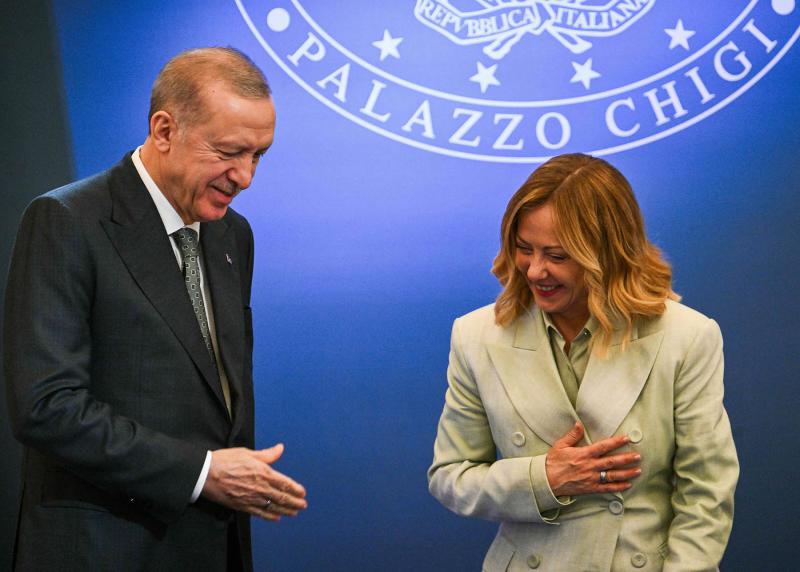
Turkish arms companies are increasingly being considered in a more in-depth manner for European defence strategy. Another key example is the emerging partnership between Baykar (the Turkish arms company owned by Erdoğan’s son-in-law) and Italy’s Leonardo. Framed as a “win-win” outcome by Baykar at the Turkey–Italy Summit, the deal marks a significant step toward integrating Turkish defence technology into Europe. The agreement, endorsed politically by Meloni and Erdogan just a month after İmamoğlu’s arrest, outlines joint work on UAVs, using Italian infrastructure as an entry point. This collaboration not only enhances Turkey’s standing but also secures Baykar’s presence in the European market, fostering further defence collaboration with the political regime in Turkey.

In this context, Turkey is emerging as a more self-assured player during uncertainties related to ongoing US support under Trump, and the wars in the Middle East and Ukraine. Erdogan, in particular, has adopted a notably confident tone, casting Turkey as essential to Europe’s future. “It is becoming increasingly impossible for a Europe without Turkey to continue its existence as a global actor,” he asserted, emphasising that “European security without Turkey is unthinkable.” These remarks illustrate a strategic messaging strategy that utilises Turkey’s military importance and growing role in regional diplomacy to seek recognition and influence within Europe’s changing security landscape. Nonetheless, the Turkish regime plans to set the terms of this partnership: while it offers cooperation, it also demands silence on its internal authoritarian practices, resembling the transactional relationships Europe previously had with regimes like Mubarak’s Egypt.

To sum, European reactions reflect strategic interests and security anxieties rather than a solid response to democratic backsliding in Turkey. The case of İmamoğlu exemplifies how pragmatism is here to stay in the West’s relationship with Turkey.

Begum Zorlu is an ESRC research fellow at City St George’s, University of London; Convenor of the PSA Turkish Politics Specialist Group and Content Producer at SES Equality and Justice Platform.

See the article featured at PSA Blog.

Death of Önder Marks Loss of a Leading Voice for Democracy and Peace in Turkey

Sırrı Süreyya Önder, a strong advocate for democracy and Kurdish rights, gained prominence through his role in Turkey’s pro-Kurdish movement and efforts to mediate peace between the state and the PKK. His death sparked tributes from across the political spectrum, with many praising his commitment to dialogue and peaceful resolution of Turkey’s deep-rooted conflicts.

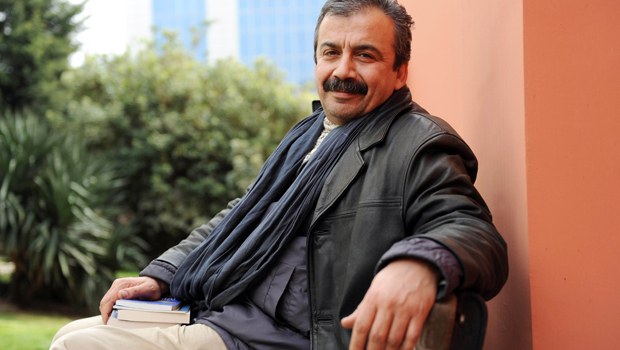
Sirri Sureyya Önder, a key lawmaker from Turkey’s pro-Kurdish DEM Party and a significant player in the attempts to resolve the long-standing conflict with the Kurdistan Workers’ Party (PKK), passed away on Saturday at the age of 62.

Also a filmmaker and poet, he was a long-standing advocate for Kurdish rights and democratic reform. He came of age during a turbulent period in Turkish history, shaped by the radical leftist movements of the 1960s and 1970s. This era was marked by widespread student activism, labor strikes, and intense violent clashes between left- and right-wing groups.

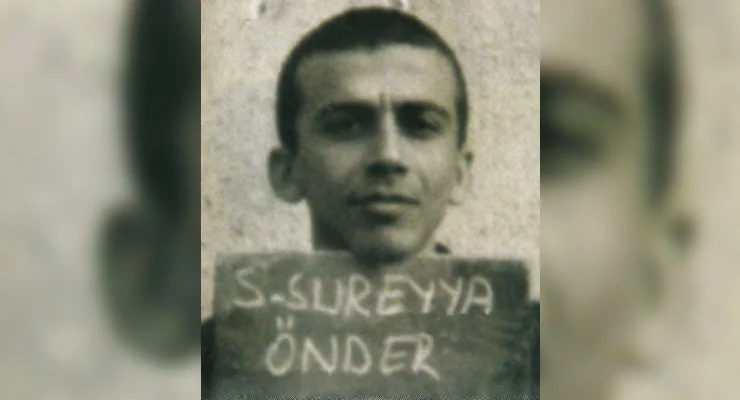
In 1978, while still a high school student, Önder was arrested for protesting the Maraş Massacre. The massacre, which occurred in the city of Kahramanmaraş, involved a violent assault by ultranationalist militants on the Alevi community, resulting in the deaths of more than 100 people. The incident heightened sectarian tensions across the country. Önder’s early encounter with political violence and state repression would go on to shape his lifelong commitment to justice and democratic principles.

The 1980 coup further interrupted his studies at Ankara University’s Faculty of Political Science, and he spent part of his youth imprisoned in Mamak, Ulucanlar, and Haymana Prisons under the repressive conditions of military rule.

Önder first gained national recognition through his contributions to cinema in the early 2000s, wherein his films frequently examined themes of social justice, marginalization, and political memory. However, it was during the peace process of the 2010s that he emerged as a known advocate for democracy and peace. Apart from his quest to contribute to the Kurdish peace process, he was also extensively acknowledged for his involvement in the Gezi Park protests, during which he took a bold stance against the park’s destruction which was reflected in an iconic video in which he proclaimed, “I am also the deputy of the trees. “

His more than decade-long role in the Kurdish peace process stands as one of the most significant aspects of his legacy. In March 2013, at the Newroz (Kurdish New Year) celebrations in Diyarbakır, he publicly read out Öcalan’s call for a ceasefire, relaying the PKK leader’s message of a “silence of weapons” to a massive crowd.

When this peace process collapsed in 2015/2016, authorities lifted the parliamentary immunity of numerous HDP lawmakers, including Önder, and launched a sweeping crackdown. Ironically, Önder’s 2013 Newroz speech, delivered as part of a state-approved peace effort, was later used to charge him with “terrorist propaganda.” Despite urging reconciliation, he was sentenced in 2018 to 3 years and 6 months in prison. In 2019, the Constitutional Court ruled his conviction violated his freedom of expression, recognizing his speech as peaceful and part of the resolution process. He was released that, reaffirming his commitment to peace.

He was part of the renewed peace process

Just in the previous weeks, he participated in a DEM Party delegation that met with imprisoned PKK leader Abdullah Öcalan, as well as President Recep Tayyip Erdoğan, to seek a restart of negotiations and pave the way for a new peace process.

His death came at a delicate moment for Turkish politics, as hopes for a renewed peace initiative had been cautiously rekindled after years of escalating violence and political polarization. The conflict between the Turkish state and the PKK, which began in 1984, has claimed over 40,000 lives.

Tributes poured in from across the political spectrum, with many hailing Onder’s efforts to bridge divides and seek a non-violent solution to one of Turkey’s most entrenched conflicts. “He dedicated his life to peace, dialogue, and justice,” the DEM Party said in a statement. “His voice will be deeply missed at a time when it is needed most.”

Global Protests Erupt Over Arrest of Istanbul Mayor Ekrem İmamoğlu

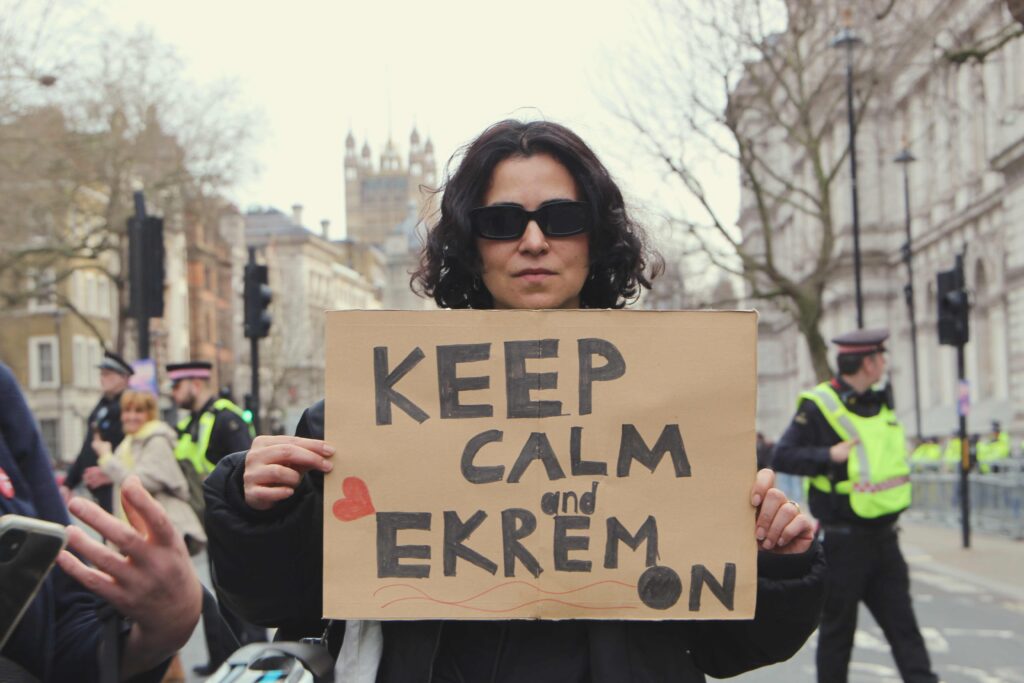
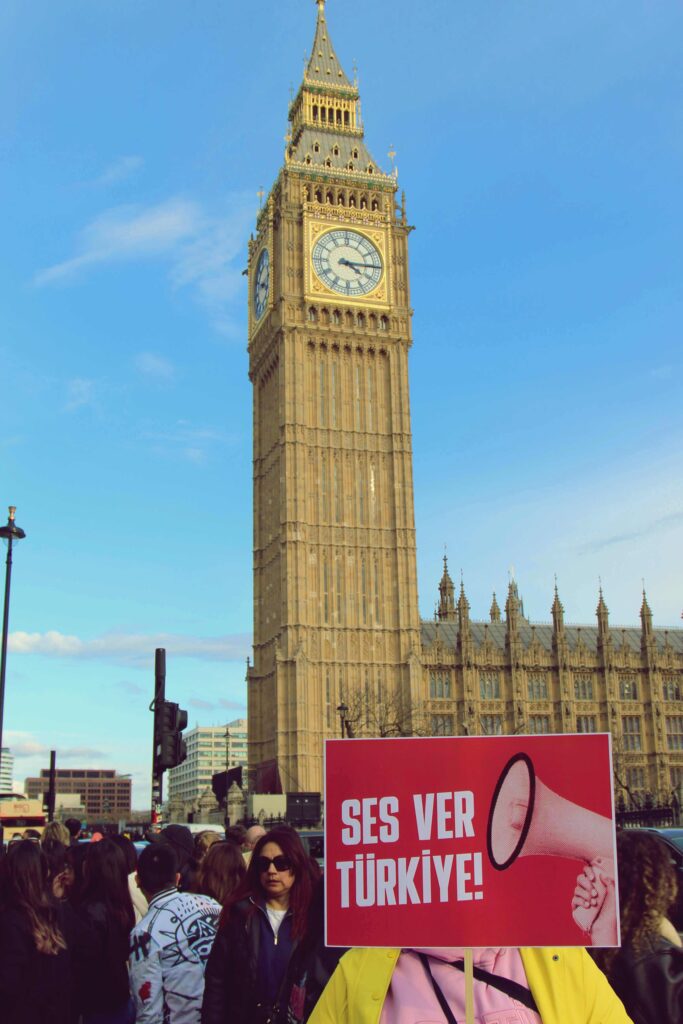
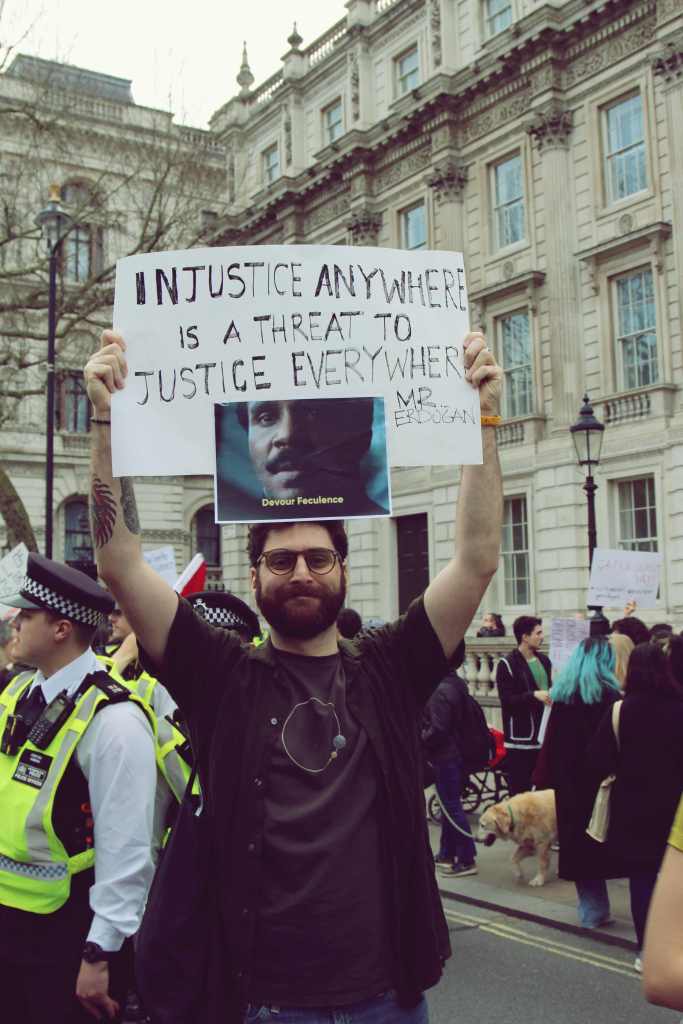
The arrest of Istanbul’s popular opposition mayor, Ekrem İmamoğlu, has sparked a wave of mass mobilisations not only across Turkey but also in major cities around the world. This post from Equality Justice Women Platform shares some reflections from a solidarity protest in London, showing that the demonstrations reflect the “spirit of Gezi,” uniting people across political divides and generations.

Begum Zorlu

After the arrest of Istanbul’s charismatic opposition mayor, Ekrem Imamoglu, Turkey has encountered escalating unrest*. Significant protests have arisen in cities such as Istanbul, Ankara, and İzmir, where thousands have gathered in public spaces to show solidarity and oppose a growing authoritarian regime. These demonstrators have encountered police violence and arrests, while the government has imposed multiple restrictions on social media and largely ignored the protests in state-controlled media. Over 1,000 protesters, as well as journalists and writers, have been arrested.

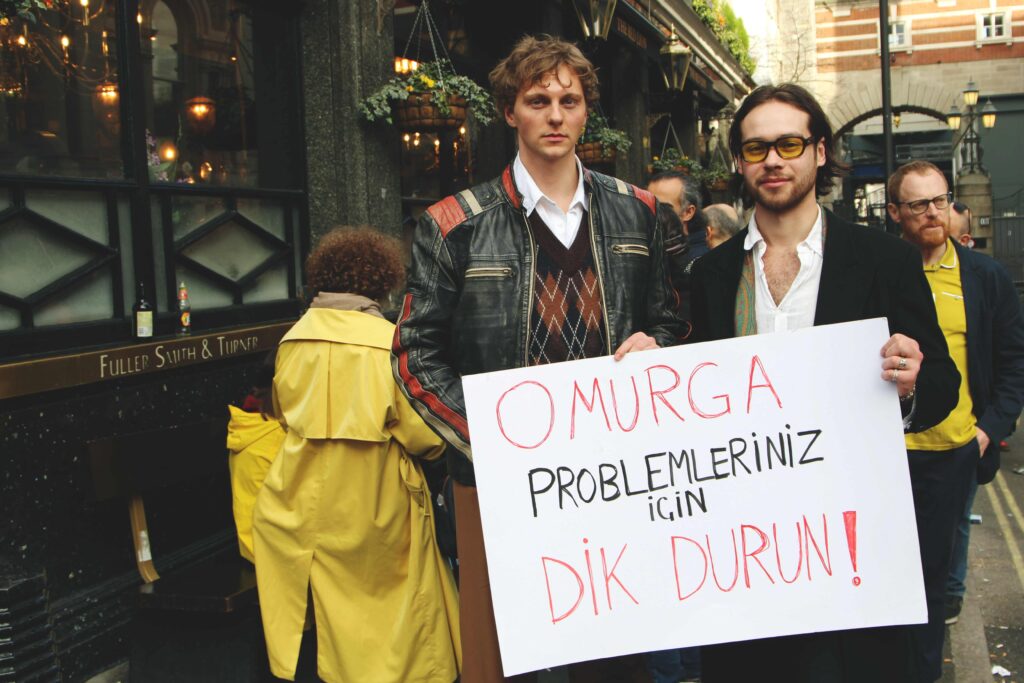
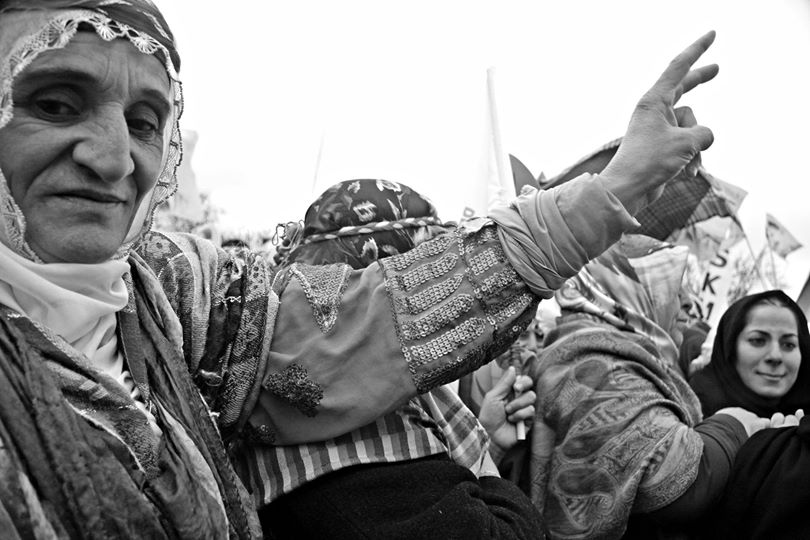
While repression grew in Turkey, the mobilisation has gained international momentum, leading to major protests in Western cities such as Berlin, Brussels, London, New York, and Amsterdam. I attended the demonstration in London this saturday, where over a thousand people gathered in Trafalgar Square and later marched towards Parliament Square.

A range of organised leftist groups, Kurdish and Alevi organisations, stood alongside students and independent participants to express their solidarity. A symbolic primary election ballot box was also set up in the square, allowing attendees to cast their votes for Ekrem İmamoğlu as the CHP’s (Republican People’s Party) presidential candidate.

What stood out in this mobilisation was its deliberate evocation of the slogans and spirit of the Gezi Park Protests. Protesters made repeated references to the 2013 demonstrations, which began as a defence of a public park in central Istanbul but quickly evolved into a mass uprising against police brutality and the increasingly authoritarian direction of the AKP government. Twelve years on, Turkey has regressed even further, with the state consolidating control over key institutions, facilitating increased repression of popular opposition figures.

As democratic backsliding in Turkey deepened, maintaining protest movements that brought together diverse political groups became increasingly challenging—especially as the Kurdish opposition had been heavily criminalised, and the mainstream opposition often hesitated to publicly associate with them. In this context, the unity of multiple groups evoked strong parallels with the Gezi Movement, when a broad coalition of social actors was able to unite around shared demands.

At the protests in London, there was a strong presence of students and young people. Many remarked that they had been “too young” to take part in the Gezi movement, having grown up under the only political reality they’ve ever known, the current regime. Slogans such as “this is just the beginning, the struggle will continue,” which had become emblematic during Gezi, were once again at the heart of the gathering.

The the memory of that earlier social movement was strongly felt in the square, shaping the atmosphere and lending historical dynamism to the protest. It provided a broader framework through which to interpret the attempted criminalisation of Ekrem İmamoğlu as part of a wider struggle for justice, democracy, and resistance in Turkey. It also highlighted the need for diverse opposition groups to unite against authoritarianism.

*It is important to underline that just a day before the arrest, Istanbul University annulled the diploma of İmamoğlu, effectively blocking his presidential nomination. In Turkey, to be a presidential candidate, a university degree is needed.

Is Turkey starting another peace process with the PKK?

The conflict between the PKK and the Turkish state, one of the longest-running insurgencies in the Middle East. Last week, Abdullah Öcalan, the leader of the PKK, has called for the group’s dissolution, asserting that its mission is now obsolete. Is a new door to peace being opened? This post argues that while there is room for cautious optimism, questions remain like compliance, responses of the ruling coalition, and the future of militants abroad.

“I am making a call for the laying down of arms”—these words from imprisoned Kurdistan Workers’ Party (PKK) leader Abdullah Öcalan represent yet another critical juncture in Turkey’s recent history to solve its long ongoing Kurdish question.

By urging the PKK to dissolve after decades of insurgency, Öcalan’s remarks opened the door to the formation of a new peace initiative, yet there is still vast uncertainty. Will the fighters comply? Will the government re-escalate the conflict and repression? How will the dynamics in the broader Middle East shape the process? It can be said that Turkey’s recent “peace process” remains a puzzle to many of the followers and agents of Turkish politics.

When the talks of a peace process were raised, I witnessed two young Kurdish women in London discussing it with scepticism. “I don’t want to hear about another peace process. I remember what happened the last time they talked about peace,” one of them said. She was referring to the large-scale contention that erupted in 2015 when the peace negotiations between the PKK and the Turkish government collapsed. That failure triggered a violent escalation, resulting in mass casualties and intense urban warfare.

The breakdown occurred in the context of changing regional dynamics related to the Syrian civil war and political shifts after the June 2015 elections, when Erdoğan’s Justice and Development Party (AKP) lost its parliamentary majority for the first time since 2002, leading to a coalition with the far-right Nationalist Movement Party (MHP). Since the failure of this process, Turkey has experienced significant democratic decline, with increased restrictions on media and civil society, institutional control and widespread detention of opposition figures, journalists, and politicians.

The collapse followed the Solution Process” (2013–2015), a peace effort that initially raised hopes for resolving the decades-long Kurdish conflict but ultimately unravelled amid mutual distrust and regional developments. This optimism was symbolised by PKK leader Abdullah Öcalan’s historic 2013 Newroz message, delivered from prison, calling for a ceasefire and a democratic resolution. The process involved direct negotiations between Turkish intelligence officials and PKK leadership, public acknowledgment of the Kurdish issue by then-Prime Minister Erdoğan, and constitutional reforms recognising Kurdish cultural rights.

However, the peace efforts collapsed due to several factors: Turkey’s reluctance to grant political autonomy, the PKK’s unwillingness to fully disarm, the spillover effects of the Syrian civil war, and domestic political pressures on both sides. Meanwhile, as the peace process deteriorated, the YPG (People’s Protection Units) emerged as the primary US ground partner against Islamic State in Syria—a development Turkey viewed as an existential threat, given the YPG’s organisational ties to the PKK. This further complicated Turkey’s regional position and hardened its stance against Kurdish political aspirations, both domestically and across its borders.

The new process a decade later

Is the process different this time? The current initiative emerged out of the blue when MHP leader and government ally Devlet Bahçeli proposed that Öcalan should address parliament to announce his organisation’s dissolution. Bahçeli’s proposal in late October suggested Öcalan might “benefit from a right to hope” by publicly announcing the end of the PKK’s insurgency. This represented a remarkable departure from the MHP’s longstanding position, which had previously advocated Öcalan’s execution and rejected any form of dialogue with the PKK. These initial steps paved the way for a series of meetings between Öcalan and pro-Kurdish Peoples’ Equality and Democracy (DEM) Party representatives.

Later, in his statement delivered through the DEM Party delegation, Öcalan called the PKK to lay down arms and dissolve itself. Rather than articulating specific demands, he gave considerable attention to a historical analysis of the PKK’s formation, placing its emergence within the context of Cold War dynamics and the systematic suppression of democratic channels. The statement’s strategic omission of concrete demands introduced an ambiguity, potentially to enhance its acceptance across distinct political groups.

The road ahead

What the following steps are is unclear from Öcalan’s statement. With the PKK announcing a ceasefire, the ball is now in the court of the ruling coalition. During the previous process, there were hopes that a momentum for peace would lead to democratisation through increased political participation. While the statement emphasises this need, in reality, there is great suspicion.

Journalists, politicians, and civil society activists are constantly under threat in today’s Turkey. Nine DEM Party mayors have been dismissed on terrorism-related allegations and replaced with government trustees. One of Turkey’s popular journalists, Nevşin Mengü, was sentenced to prison for interviewing ex-PYD leader Salih Muslim; many others are behind bars. Istanbul Mayor İmamoğlu and several other CHP (Republican People’s Party) district mayors have also faced arrests or various forms of repression, including criminal indictments.

So why is the Turkish government enabling this process while intensifying authoritarianism?

One theory suggests Erdoğan seeks DEM Party support to secure his presidency as he lacks a supermajority to be re-elected. It is visible that Erdoğan is seeking to expand his influence by recruiting opposition figures, as seen with Serap Yazıcı, a law professor and Future Party founding member who recently joined his party. This is because to run for president again, he either needs an early election or a constitutional amendment removing term limits. However, DEM Party has shown no indication of supporting him.

Furthermore, Erdoğan’s political strategy is shaped around establishing himself as a crucial figure in resolving regional and global crises. Just as he positions himself as the key mediator in the Ukraine- Russia conflict, particularly through his role in facilitating the grain deal, Erdogan seeks to reinforce the narrative that only he can resolve such complex challenges. A peace deal could form part of a wider strategy to stabilise Syria’s geopolitical landscape and amplify his role as a strong leader.

Similarly, it can be argued that the timing, coinciding with developments in Syria, is not coincidental. Turkey is seeking to weaken the influence of the Syrian Democratic Forces (SDF), a coalition primarily led by the People’s Protection Units (YPG), during Syria’s ongoing transition. While the YPG asserts its independence from the PKK, both groups embrace Öcalan’s ideology and share historical convergence. Turkey has continually refused to accept their distinction, which has paved the way to legitimise its military actions in SDF-held territories in Syria. The extent to which a peace process with the PKK might shift Turkey’s stance on the group remains unclear. Figures like Salih Muslim and SDF commander Mazloum Abdi welcomed Öcalan’s PKK’s disarmament call positively while underlining their autonomy. A more hopeful outlook can suggest that an agreement with the PKK could greatly reduce security tensions between Turkey and the SDF, marking an important step towards regional stability.

Overall, there are significant challenges regarding PKK fighters’ and Öcalan’s fate along with government commitment. Consequently, while the call for peace is a positive development, it is marked by uncertainty. Support from international actors can make this process stronger. European states, notably Germany, have echoed the CHP’s call for a parliament-led process, representing a promising diplomatic engagement. However, as issues like the transition of former combatants to civilian life remain unclear, especially with the opposition’s historical resistance to Kurdish cultural rights, it is for certain that the peace attempt will remain a deeply contentious issue.

*This article has been published at PSA Blog.

**Photos: Begum Zorlu, Istanbul

Populism and Elections in Venezuela: A Conversation with Tamara Adrian

With contested vote counts, repression, and international calls for transparency, Venezuela exemplifies the challenges faced by democracies in an era of rising populism. In this podcast we host Tamara Adrián, an opposition activist who offers unique insights into populist and repressive strategies employed by the Venezuelan regime.

In the first episode of the podcast series “Voices on Global Populism”, we explore Venezuela’s contested elections held this summer, analysing the populist strategies at play and their broader implications for global populist trends.

The episode focuses on the electoral process that Venezuela undertook in the last year. On October 2023, Venezuelan President Nicolás Maduro reached an agreement with the opposition to pave the way for free and fair presidential elections. As part of the agreement, the regime committed to following democratic measures such as allowing international observers, while the United States pledged to ease certain economic sanctions. The opposition selected María Corina Machado as its candidate after she achieved a victory in the primaries.

However, just three months later, Venezuela’s Supreme Court—largely dominated by regime supporters—declared Machado ineligible to run, citing past financial irregularities. Consequently, a little-known candidate Edmundo González was chosen to run as the opposition candidate against Maduro.

The elections held in July further exacerbated Venezuela’s political crisis. While Nicolás Maduro declared victory, his government did not release a full and transparent vote count. Opposition activists who gathered electoral data from polling stations, encompassing over 83% of the voting tallies, exposed a significant disparity with the official narrative. According to this data, Maduro secured only 30% of the vote, compared to an overwhelming 67% for opposition candidate Edmundo González.

Despite calls for transparency from the United States, the European Union, and left-wing Latin American nations such as Brazil and Colombia, Venezuela’s National Electoral Council declared Maduro the winner without releasing disaggregated vote tallies.

The contested election triggered widespread protests and a wave of government repression. The United Nations human rights investigators have accused Maduro’s government of orchestrating a brutal crackdown highlighting widespread violence, including the detention of minors, fatalities—and the targeting of protests and online critics. While González has an arrest warrant and has fled to exile in Spain, the crackdown continues today.

To discuss these dynamics, as well as the broader theme of populism in Venezuela, we hosted opposition activist Tamara Adrián. Since the early 2000s, Tamara has been a prominent figure in Venezuela’s political landscape. She is the founder and director of Diversity and Equality Through Law and her activism spans across Latin America and beyond. She has collaborated with the International Lesbian, Gay, Bisexual, Trans, and Intersex Association and served as a special adviser on human rights for both the Pan American Health Organization and the World Health Organization. Also importantly, she is Venezuela’s first transgender member of parliament.

Below are some of the core points she underlines in the podcast. To see the full episode click here.

“The Elections Were Not Fair”

Tamara has raised a critique of Venezuela’s recent elections and the political climate under Nicolás Maduro. While she acknowledged the elections were legitimate, she argued they were fundamentally unfair. She commended the impressive organization and commitment of citizens, who served as witnesses at voting centers, ensuring transparency by securing certified copies of results, safeguarded with advanced security features. However, the aftermath of the elections reveals a picture of repression and fear.

Repression and Political Prisoners

Following the elections, over 2,000 people were imprisoned for protesting or participating in opposition groups. Many detainees were denied basic rights such as legal representation, family visits, or fair trials, leaving them isolated. Tamara underlined that currently, 1,963 political prisoners remain, despite the release of some detainees after international pressure, notably from the International Criminal Court. Yet, many remain vulnerable to re-arrest.

She also highlighted the oppressive tactics of Maduro’s regime, such as “Operation Knock Knock,” which involved sudden arrests targeting dissidents or even their family members to force compliance. This climate of fear has driven 2,000–3,000 activists into hiding or exile. Over 100 opposition politicians, spanning the political spectrum, remain imprisoned.

Public Sentiment and International Response

According to Tamara, despite the suppression, public sentiment overwhelmingly opposes Maduro. Recent surveys she mentions show 87% of the population supports the opposition, and 90–92% believe opposition candidate Edmundo González won the election.

She also acknowledged the international community’s limited ability to pressure autocratic regimes like Maduro’s. While sanctions and diplomatic efforts have been employed, they have not yield significant results. She also noted the regime’s reliance on allies like Cuba, Russia, and Turkey, which help sustain its autocratic grip.

The Role of Populism and Militarization

Tamara described how the rise of Hugo Chávez was built on populist foundations which she argued were marked by oil revenues. However, declining oil revenues and economic mismanagement have eroded his ability to deliver such benefits. In the discussion we came to a conclusion that the regime now depends heavily on military loyalty, fear tactics, and international alliances.

The Road Ahead

Tamara argued that Maduro’s imminent swearing-in as president in January, backed by the military, could mark Venezuela’s full transition into autocracy. However despite the challenges, Tamara is determined to continue her activism. Inspired by historical figures like Nelson Mandela, she said, she believes in the power of action against injustice. “When you cannot accept the state of things, you have to act,” she said, underscoring her commitment to go on.

December, 2, 2024

Begum Zorlu

This conversation is part of a podcast series exploring the influence of populism on both global and domestic politics in an age of global disorder, where shifting alliances, economic instability, and geopolitical conflicts continue to reshape the political landscape. These evolving dynamics are crucial to understanding how populism shapes struggles for democracy, gender justice, and prospects for political change. It is a part of the author’s ESRC Postdoctoral Fellowship in partnership with the SES Equality and Solidarity Association.

The Stansted 15: Protest, Prosecution, and the Fight Against Mass Deportations

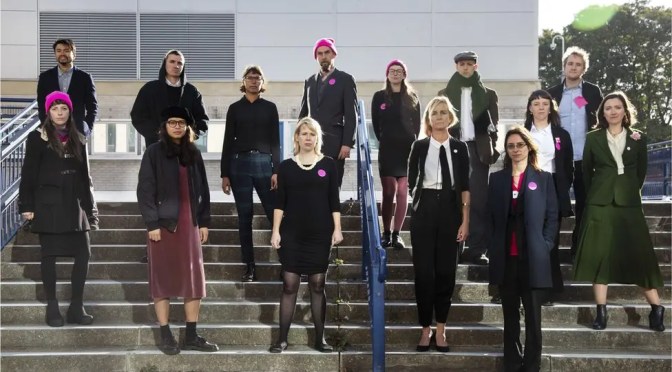
On the night of 28 March 2017, fifteen activists breached the perimeter fence at Stansted Airport, ran onto the apron, and locked themselves to a plane. The aircraft had been chartered to remove 60 people to Nigeria, Ghana, and Sierra Leone. According to the protesters, which is now known as the Stansted 15, the individuals on board were at risk of serious harm and even death if deported. That is why they needed to engage in direct action.

Their intervention delayed the flight and, in several cases, allowed passengers more time to pursue legal appeals. One man, later granted the right to remain in the UK, said that without their action, he would have missed his daughter’s birth and been deported without his (ultimately successful) case being heard.

The authorities saw it differently. In 2018, the Stansted 15 were convicted of endangering the safety of an aerodrome under section 1(2)(b) of the Aviation and Maritime Security Act 1990—a serious offence originally drafted to address terrorist threats, not peaceful protest. The law covers the unlawful and intentional disruption of aerodrome services “in such a way as to endanger or be likely to endanger” safe operations or the safety of persons.

Critics argue that the charge was grossly disproportionate and designed to intimidate campaigners. Helen Brewer, one of the convicted, described the prosecution as “an unprecedented use of terror law against peaceful protesters who acted to prevent harm,” adding that “the real crimes” were the UK government’s use of “brutal, inhumane and barely legal deportation flights.”

Deportation Flights

Mass deportations by charter flight are a largely hidden feature of the UK’s immigration system. In 2016 alone, 10,706 people were forcibly removed; one in seven of those deportations took place via secretive night-time charters.

Critics argue that as entire flights are often booked for individuals of the same nationality, this raises concerns about racial discrimination and collective punishment.

Exposing Injustice and State Repression

The Stansted 15’s case also raises broader questions about the right to protest in the UK. Articles 10 and 11 of the European Convention on Human Rights (ECHR) protect freedom of expression, assembly, and association, including peaceful demonstrations.

It also challenges the conventional moral order, recasting the state as the perpetrator and the activists as those upholding justice. As one supporter put it, the group sought to stop “the real crime being committed,” reframing civil disobedience as a moral responsibility rather than a legal transgression. Their legitimacy rests on humanitarian necessity, framing their intervention as an ethical imperative. This is a case that suggests certain circumstances compel action beyond the boundaries of the law. It also strips away the sanitised language that often surrounds state deportations, replacing it with stark descriptions like “secretive night-time charters” and “brutal, inhumane and barely legal deportation flights.” In doing so, it makes visible the structural harm usually obscured by official rhetoric.